
These are public examples of AI ads from creators on X. They were not made on or for Anglr. Click any ad to see the original post.
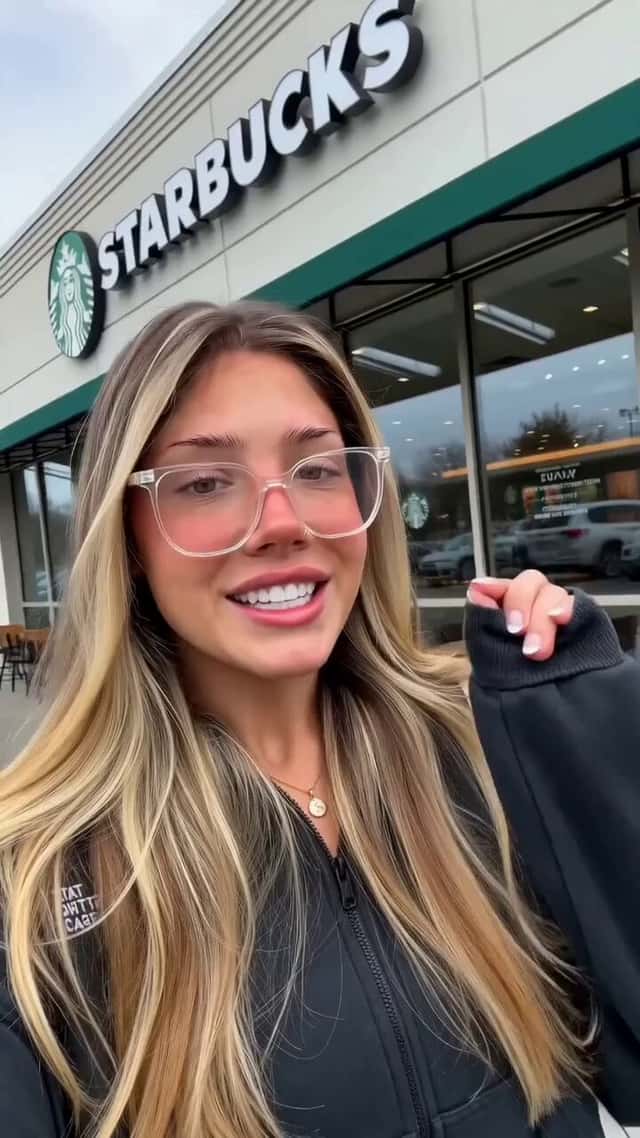 AIOpen the ad by @spwfeijenStory-time selfie
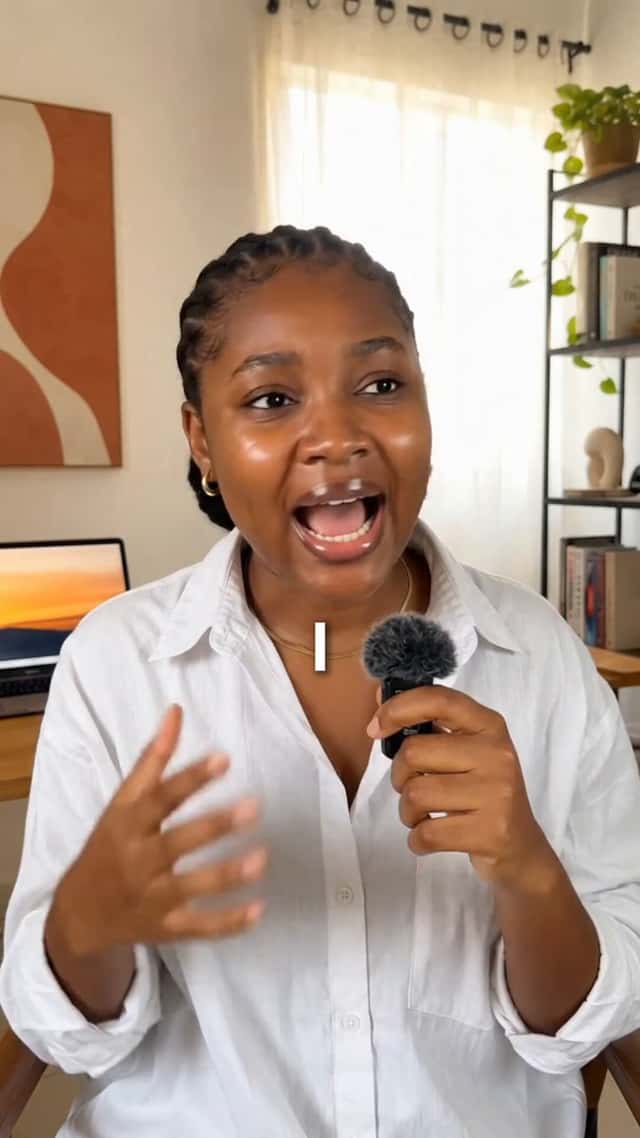 AIOpen the ad by @victorydchairStory-time selfie
 AIOpen the ad by @mikefutiaStory-time selfie
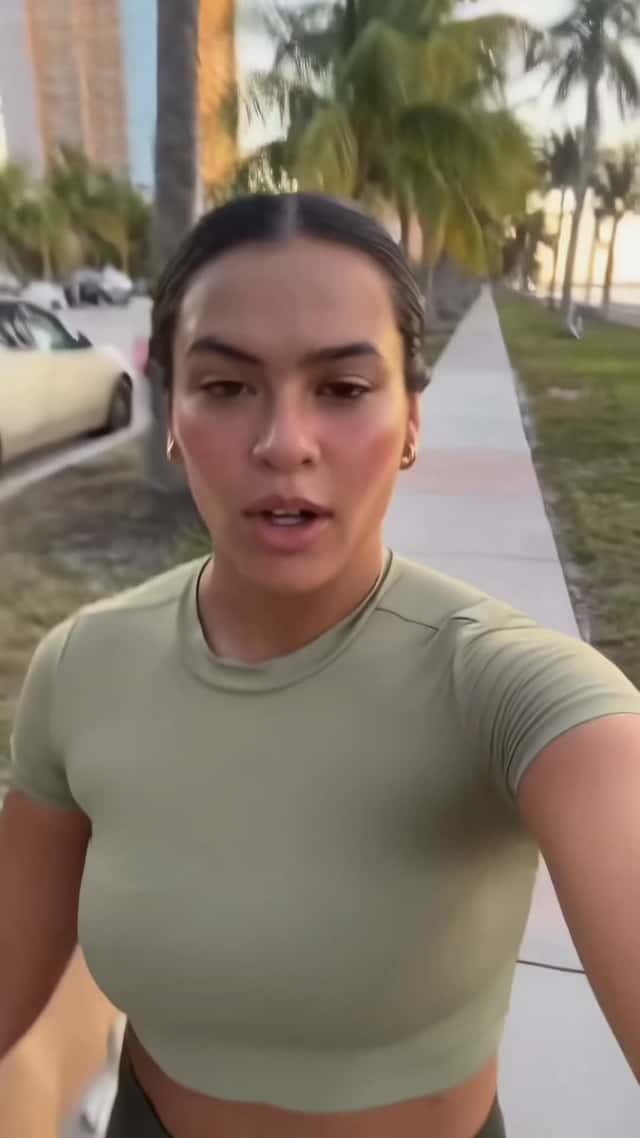 AIOpen the ad by @frankyecomStory-time selfie
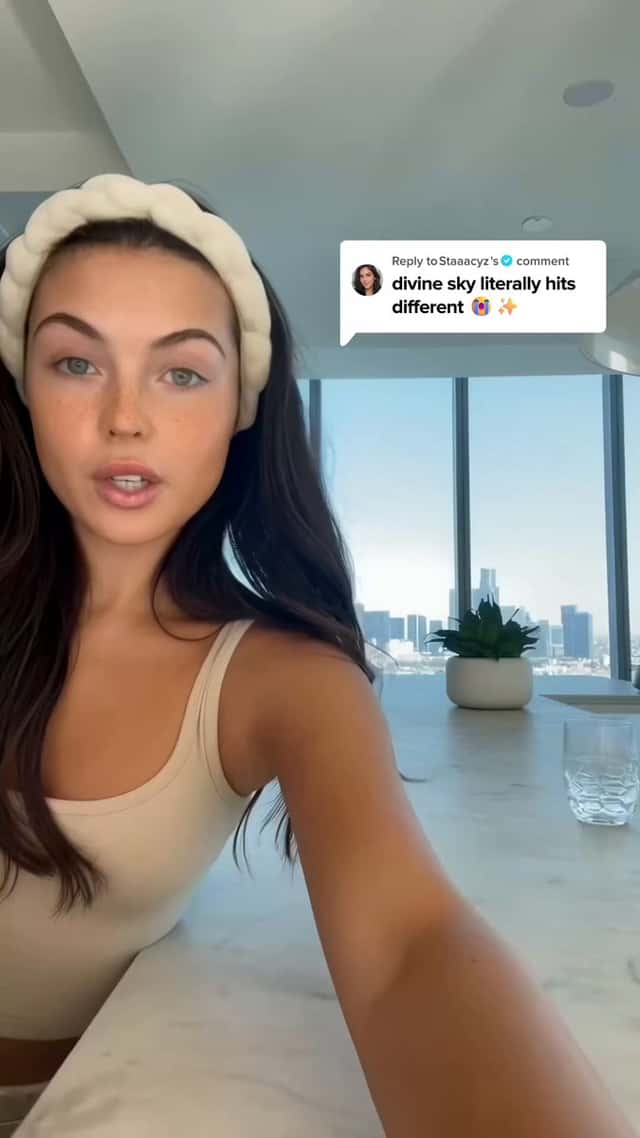 AIOpen the ad by @frankyecomStory-time selfie
 AIOpen the ad by @danclippingStory-time selfie
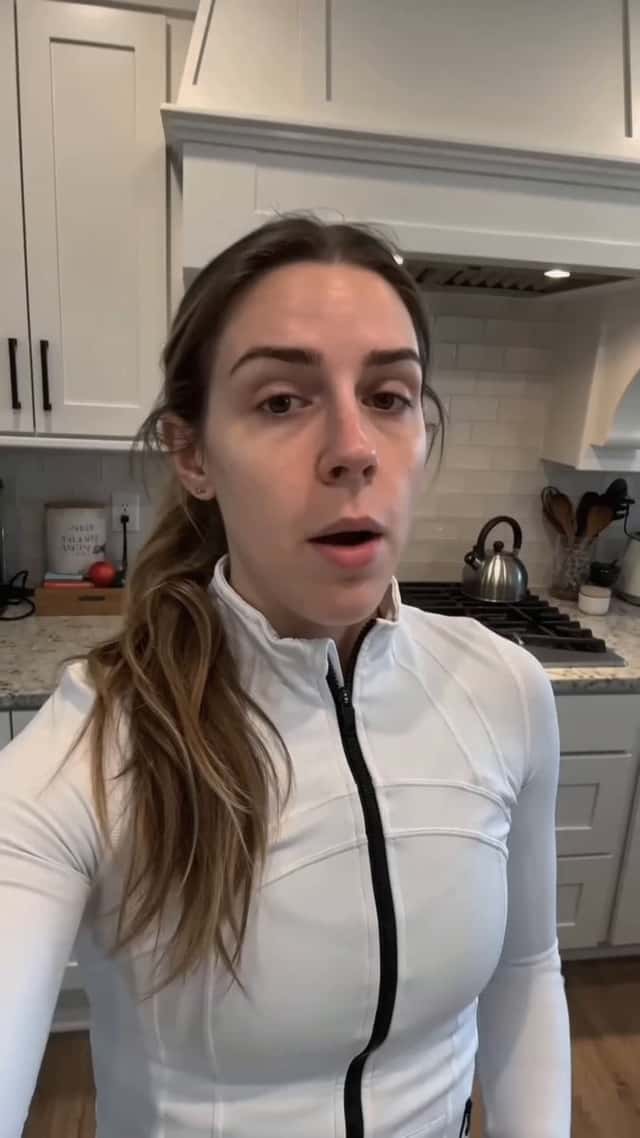 AIOpen the ad by @prompt_papiStory-time selfie
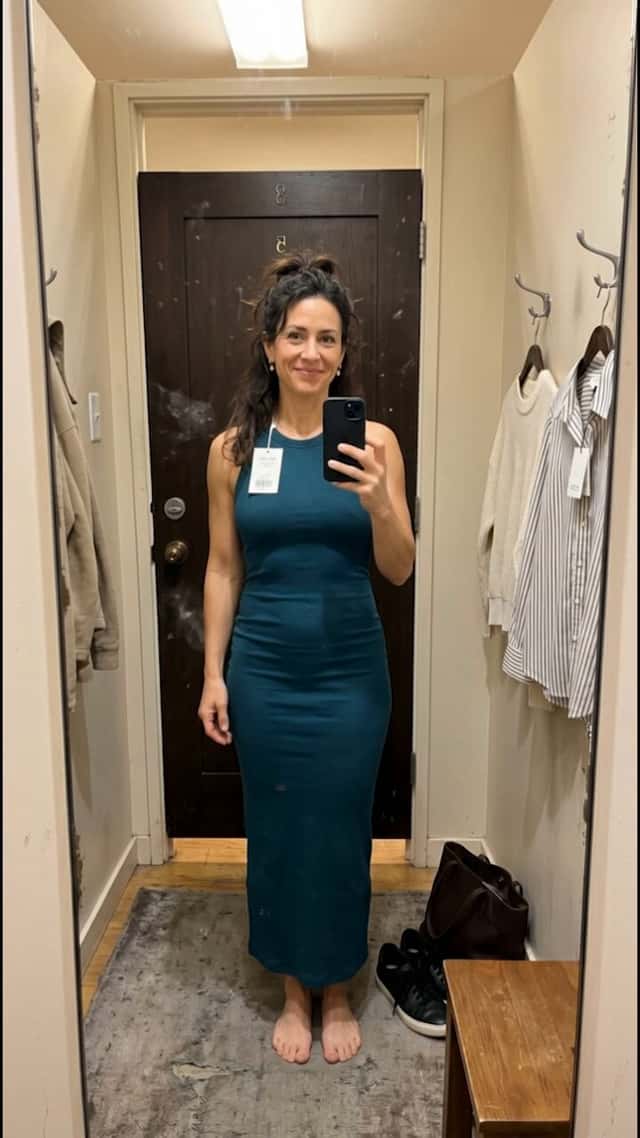 AIOpen the ad by @maxxmalistStory-time selfie
 AIOpen the ad by @WiFiMoneyGuyStory-time selfie
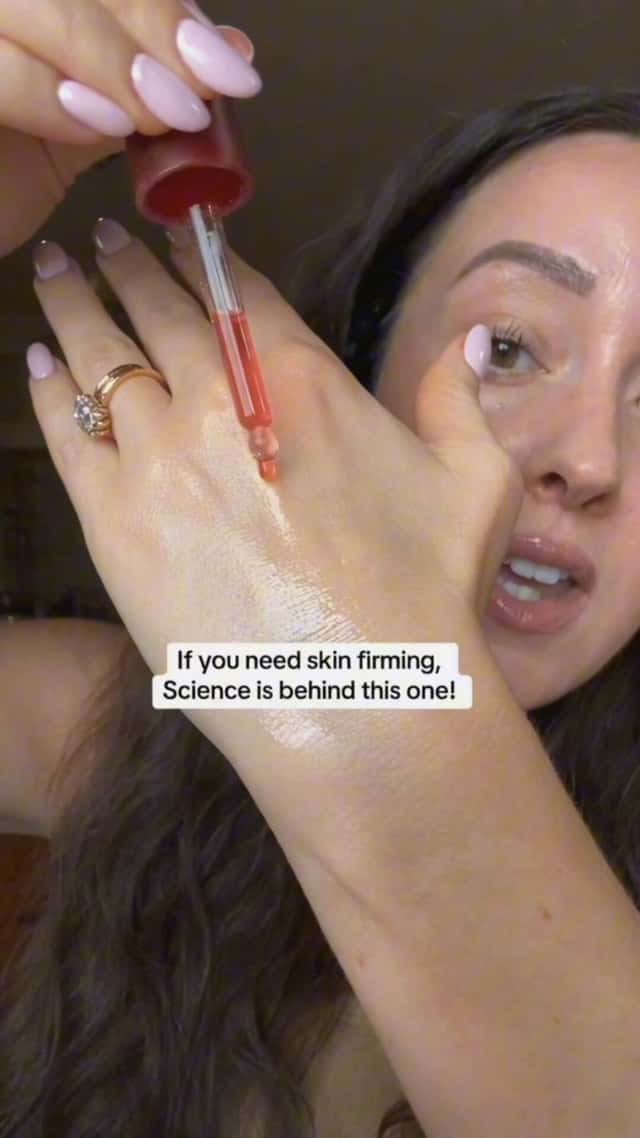 AIOpen the ad by @0xROASStory-time selfie
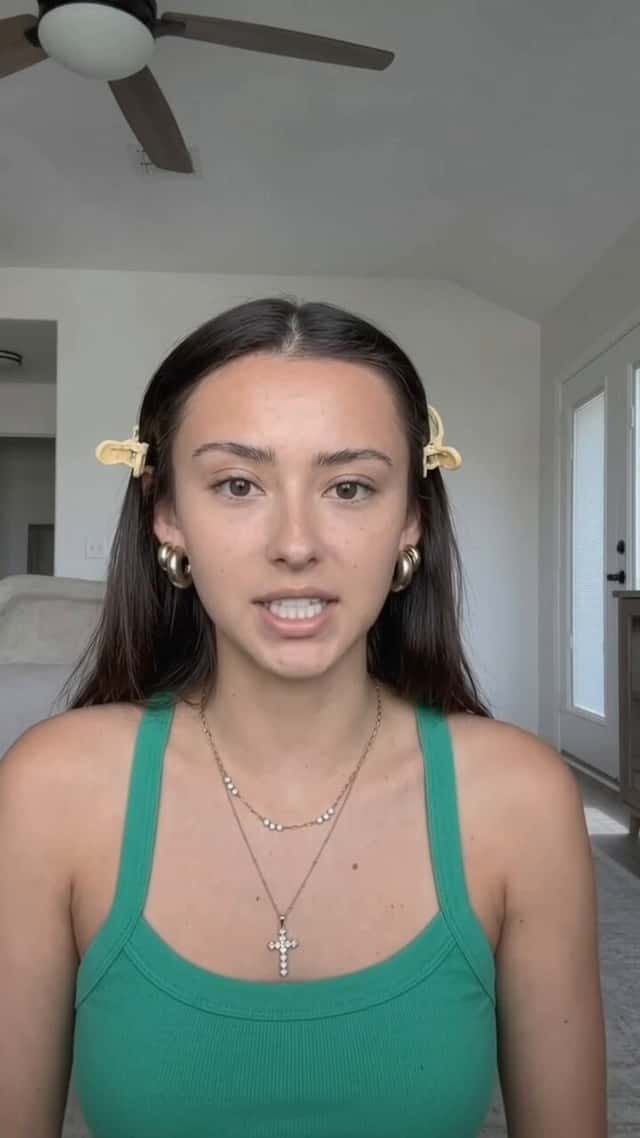 AIOpen the ad by @jasonugcStory-time selfie
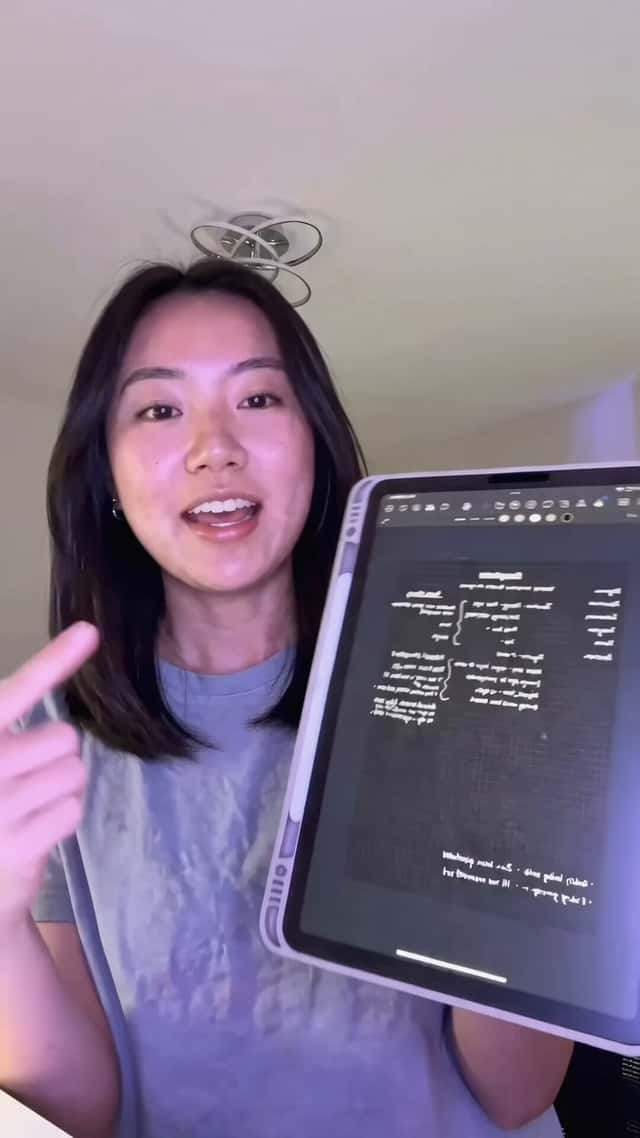 AIOpen the ad by @Mho_23Story-time selfie
 AIOpen the ad by @Mho_23Story-time selfie
 AIOpen the ad by @FynCasStory-time selfie
 AIOpen the ad by @prompt_papiStory-time selfie
 AIOpen the ad by @spwfeijenStory-time selfie
 AIOpen the ad by @DavidRunsAdsStory-time selfie
 AIOpen the ad by @georgesttockStory-time selfie
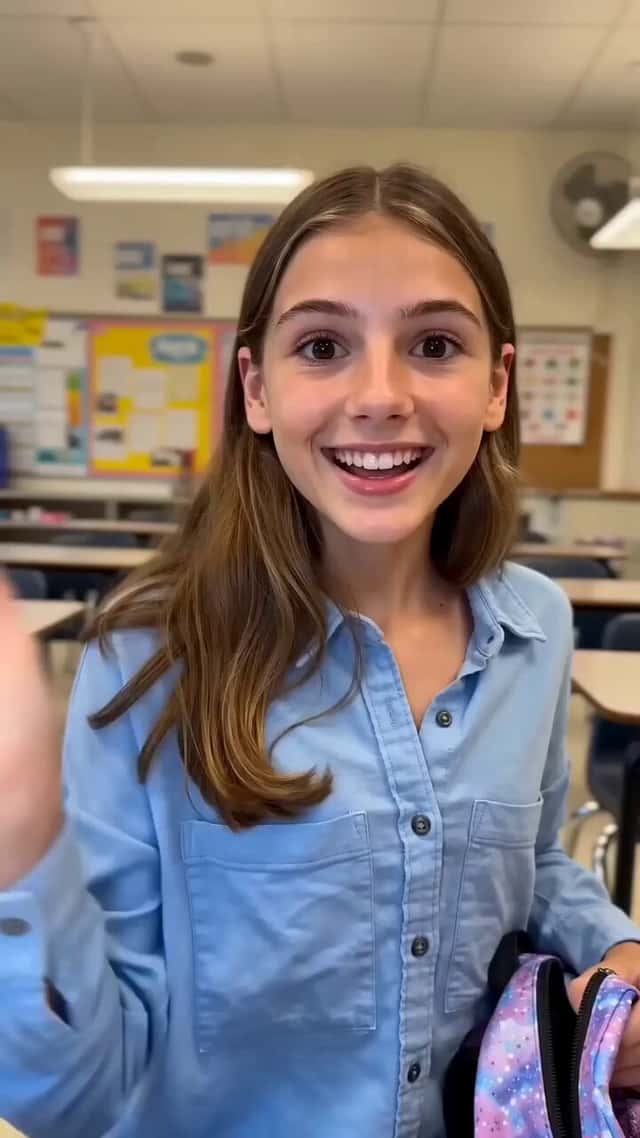 AIOpen the ad by @SparkifyAIStory-time selfie
 AIOpen the ad by @spwfeijenStory-time selfie
 AIOpen the ad by @victorydchairStory-time selfie
What it looks like
A story-time ad is one person, held at arm's length, telling a story straight into the front camera. In the examples here they are in a café, a kitchen, on a street or filming in a mirror, and the frames catch them mid-sentence with expressive faces.
All of them are vertical. There is no studio look and little or no b-roll.
Story-time versus other selfie formats
| Story-time | Talking head | Get-ready | |
|---|---|---|---|
| What the person does | Tells events in order | Explains or recommends | Goes through a routine |
| Camera | Handheld, moving | Steady, often seated | Handheld, several rooms |
| Product appears | At the turn of the story | Early, often held up | As one routine step |
| Script tense | Past, then present | Present | Present |
Brands use story-time because a story gives the viewer a reason to keep watching until the product appears. It also lets a common problem be shown through one person's situation instead of a list of features.
Story structure
- 0–3 s, start in the middle. A specific moment: "So I was standing in the pharmacy for twenty minutes…"
- 3–10 s, the problem. What kept going wrong, in two or three short sentences.
- 10–15 s, the low point or the trigger. The moment the person decided to try something else.
- 15–25 s, the product. How they found it and what they noticed, said plainly.
- 25–35 s, where they are now. The current situation, then a direct line to the viewer.
Write it to be spoken
Read every line out loud before you generate anything. Spoken stories use short sentences, repeated words, "and then", and the occasional half-sentence.
Leave room for reactions. A pause, a laugh or a raised eyebrow between lines makes the clip feel told rather than read. Mark these in the script so the voice and the face match.
Delivery details that matter
- Arm's-length framing: face in the top half, shoulders visible.
- Small, natural camera movement, as if the phone is held.
- Real backgrounds with some movement: people passing, steam, traffic.
- Expressions that change with the story; a flat face over an emotional line looks wrong.
Format and length
Make it vertical 9:16, with captions placed below the face. Keep the full story cut and a shorter cut that drops the middle beat but keeps the opening line, the product and the close.
Make it with AI
- Generate the character from one reference image and keep it for every shot.
- Generate the full voice track first, with pauses, so the timing is fixed.
- Split the track into shots and generate each shot with lip-sync to its part of the audio.
- Vary the background between shots only if the story moves location.
vertical selfie video at arm's length, [character description], in a [location], telling a story, [emotion], natural light, handheld phone movement, mid-sentence
See the Higgsfield and HeyGen guides for model set-up.
Compliance checks
- Testimonial rules. The storyteller is not a real customer. Don't add names, cities or "verified buyer" text that suggest otherwise.
- Typical outcomes. The result in the story should be one a normal customer can expect.
- Health and money stories. Stories about weight, illness, debt or income can fall under stricter platform rules; check them before writing.
- AI label. See AI ad labels on Meta and TikTok.
The story-time version of a winning script
Most winning UGC scripts already contain a story in compressed form: a problem, a switch, a result. The story-time version stretches that into events, keeps the original hook as the first line, and keeps the call to action word for word. One winning script, made in every ad format shows how it lines up with the other versions.
Who this is for
- Independent AI creators and editors. You make the ads yourself. You know your work performs, so you'd rather be paid on what it does than on a flat fee.
- AI agencies and studios. You run a team of editors. You write the brief, your team makes the versions, and you're paid on performance because you know your team's ads scale.
Not for you if
- You only want a flat fee.
- You're new to editing and not yet confident your ads will perform.
- You want every shot spelled out for you.
- You make one style and won't try others.
FAQ
What is a story time UGC ad?
It is a selfie video where one person tells a story, usually something that happened to them, and the product comes in as the thing that changed the outcome. The story carries the ad; the pitch is short.
How is a story-time ad different from a talking head ad?
A talking head ad explains or recommends, often seated and steady. A story-time ad narrates events in order, usually handheld at arm's length, with more movement and expression.
How long should an AI story-time ad be?
Long enough to tell the story and no longer. Plan around 20 to 40 seconds, and cut anything that does not move the story toward the product.
Can the story be presented as a real customer's experience?
No. The person is AI-generated, so the story should not be passed off as a real customer's account. Keep claims typical and follow the platform's rules on AI content.
What makes the first line of a story-time ad work?
It starts in the middle of the story with a specific detail, not an introduction. See ad hooks for opening line patterns.