
These are public examples of AI ads from creators on X. They were not made on or for Anglr. Click any ad to see the original post.
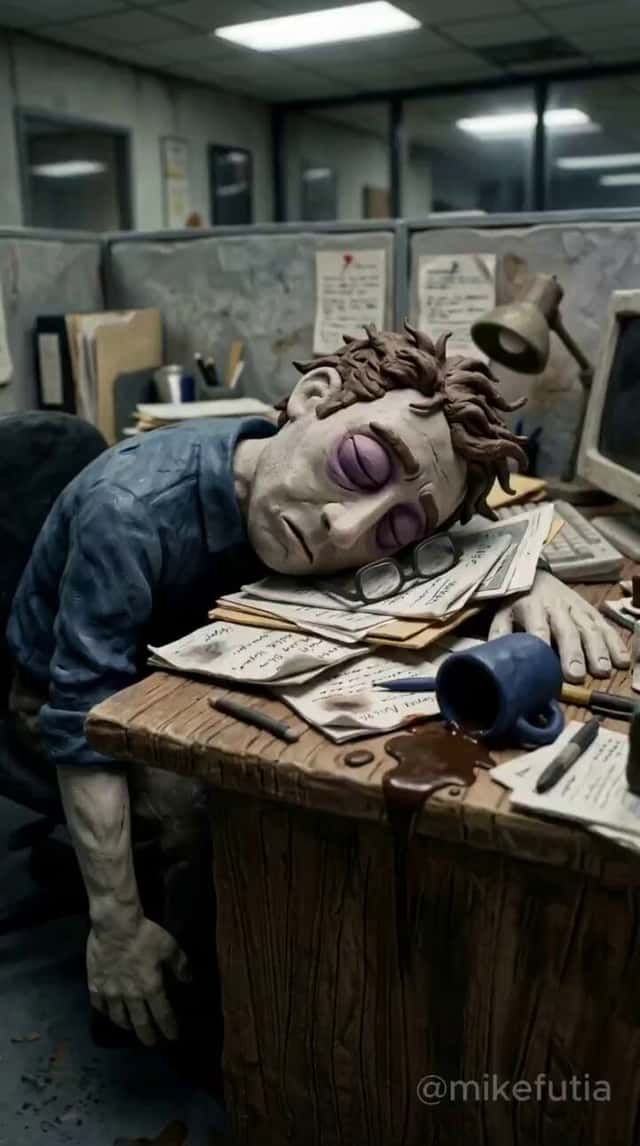 AIOpen the ad by @mikefutiaClaymation
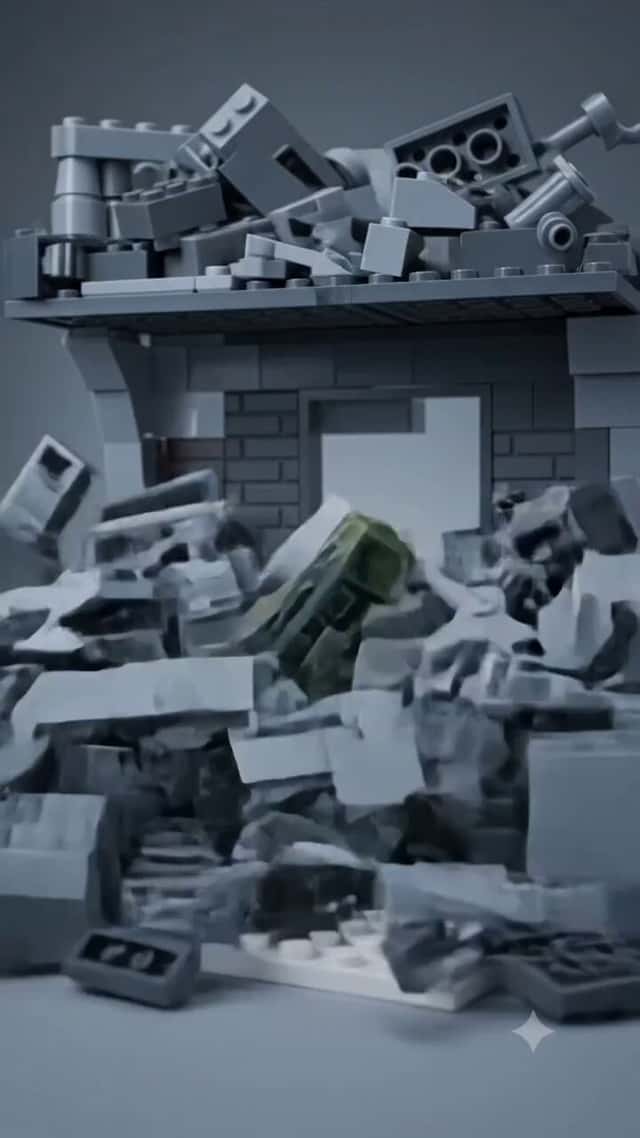 AIOpen the ad by @BrunoF566Craft style (paper, LEGO, crochet, felt)
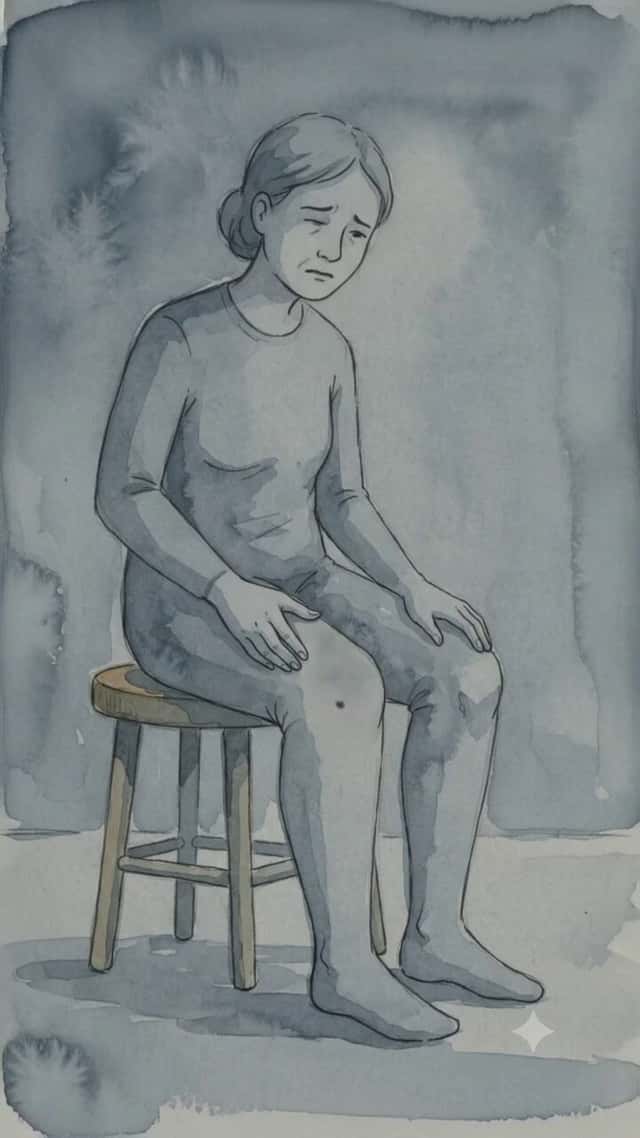 AIOpen the ad by @BrunoF566Craft style (paper, LEGO, crochet, felt)
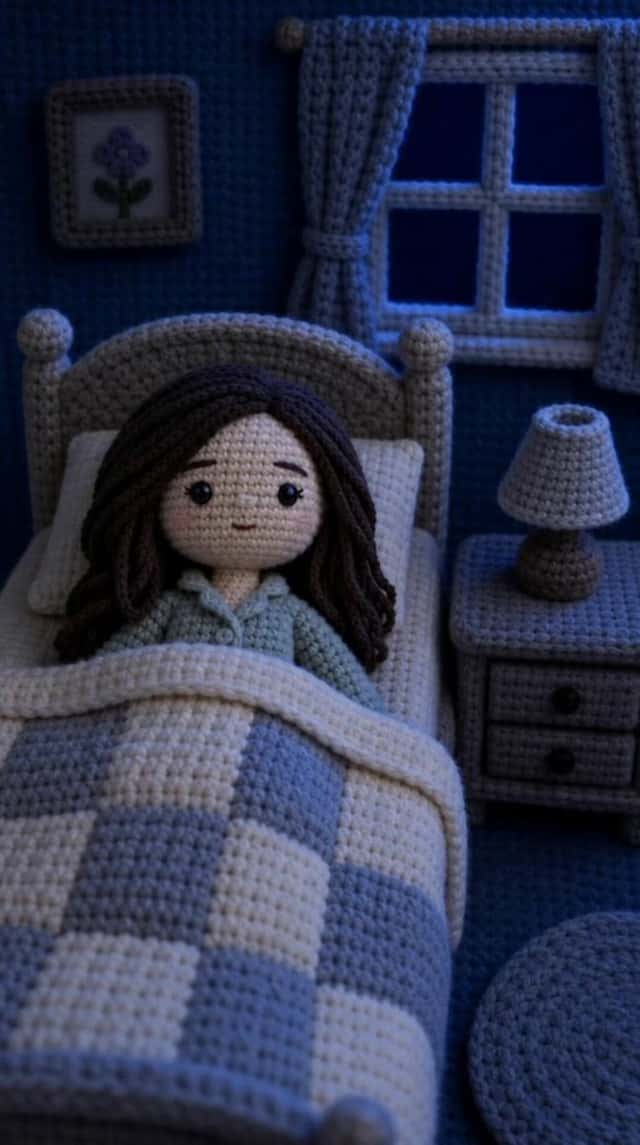 AIOpen the ad by @maxxmalistCraft style (paper, LEGO, crochet, felt)
 AIOpen the ad by @0xROASCraft style (paper, LEGO, crochet, felt)
 AIOpen the ad by @ahmad_a_wahabbCraft style (paper, LEGO, crochet, felt)
 AIOpen the ad by @pounddzCraft style (paper, LEGO, crochet, felt)
 AIOpen the ad by @maxxmalistCraft style (paper, LEGO, crochet, felt)
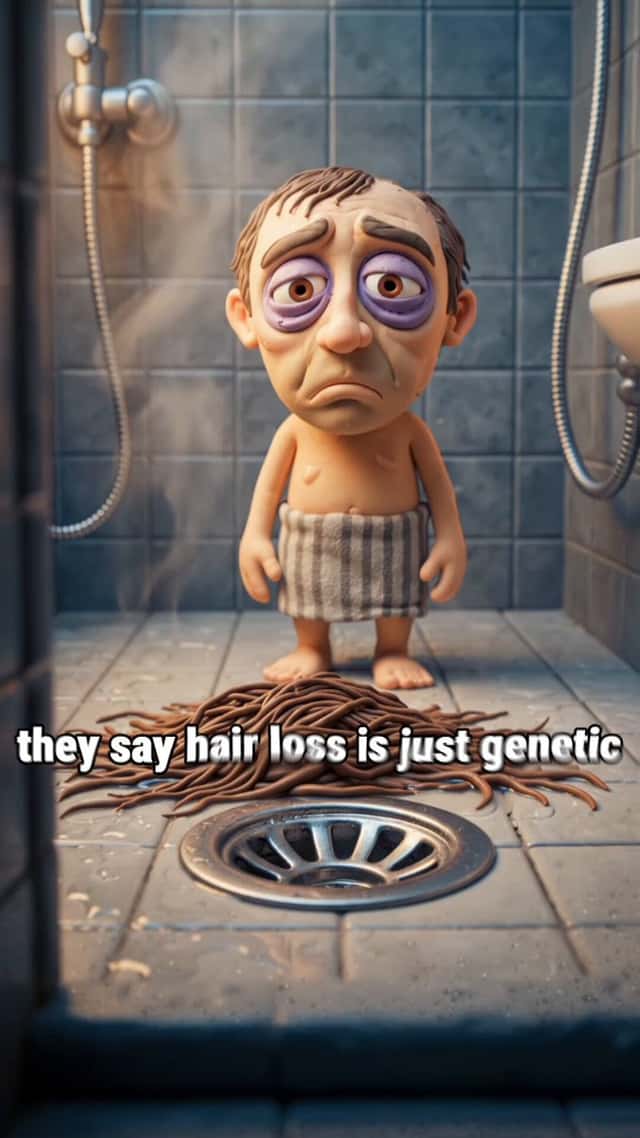 AIOpen the ad by @spect3ralClaymation
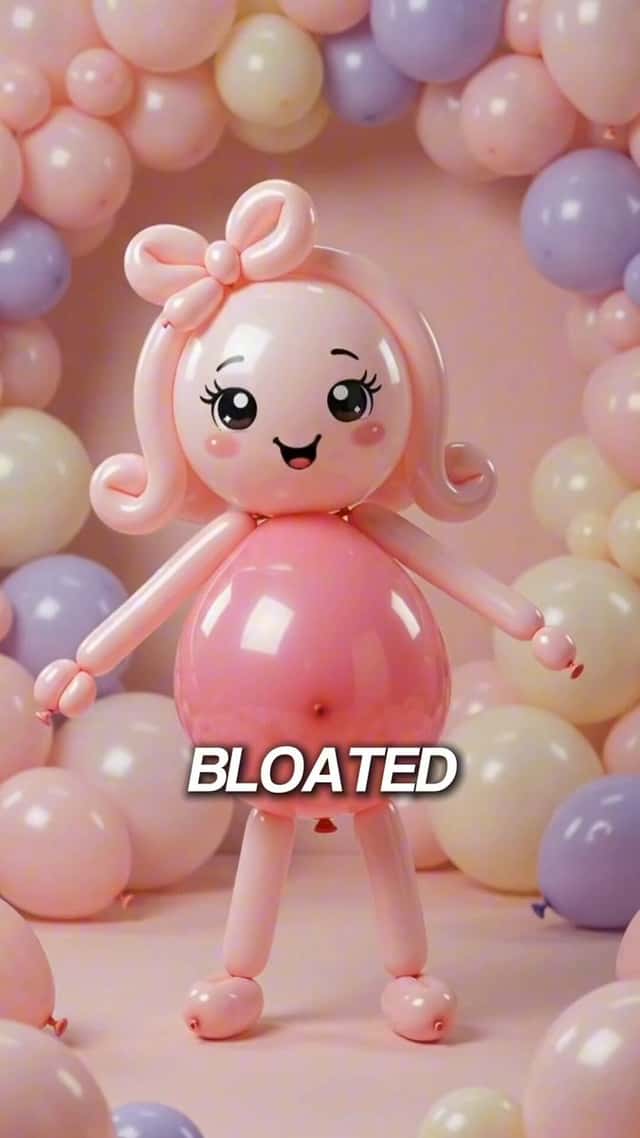 AIOpen the ad by @jasonugcCraft style (paper, LEGO, crochet, felt)
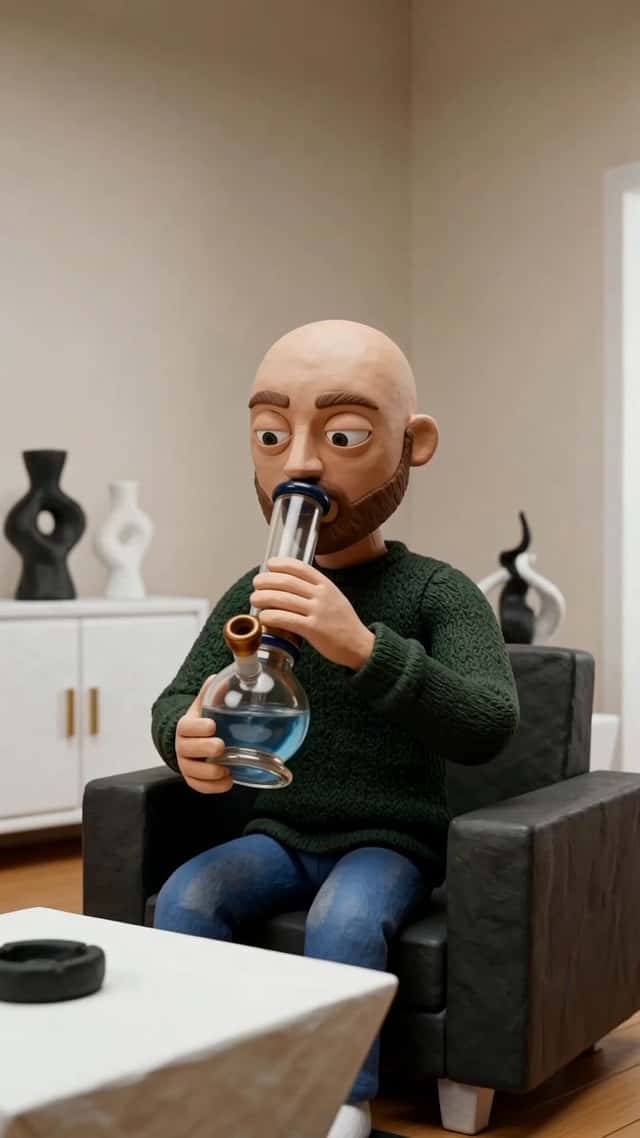 AIOpen the ad by @kobyjconradClaymation
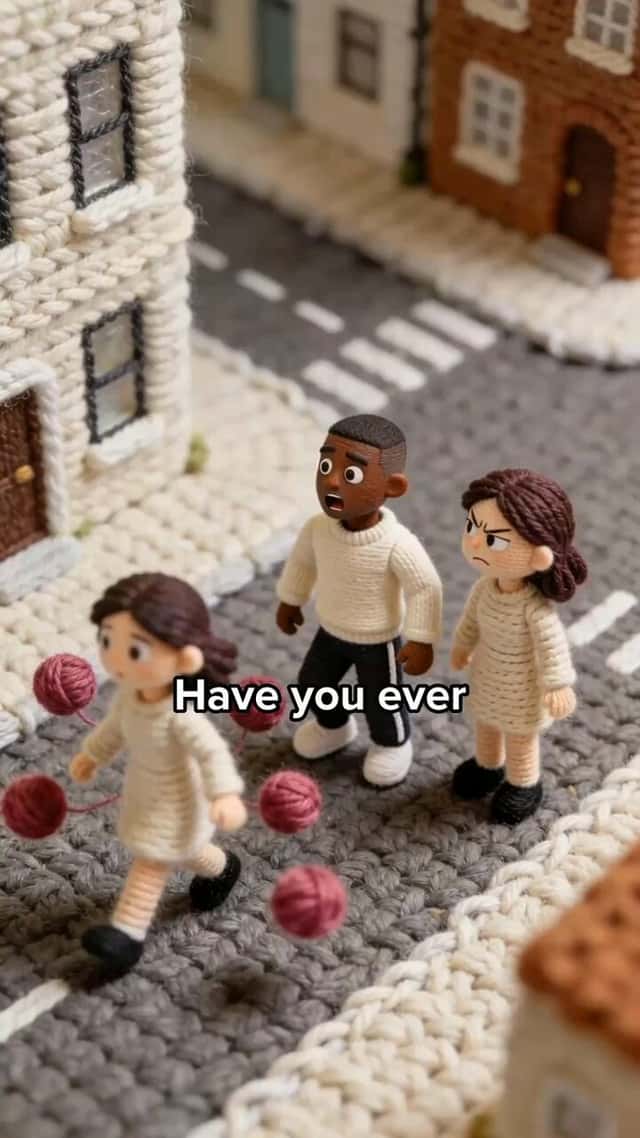 AIOpen the ad by @adswithcamiCraft style (paper, LEGO, crochet, felt)
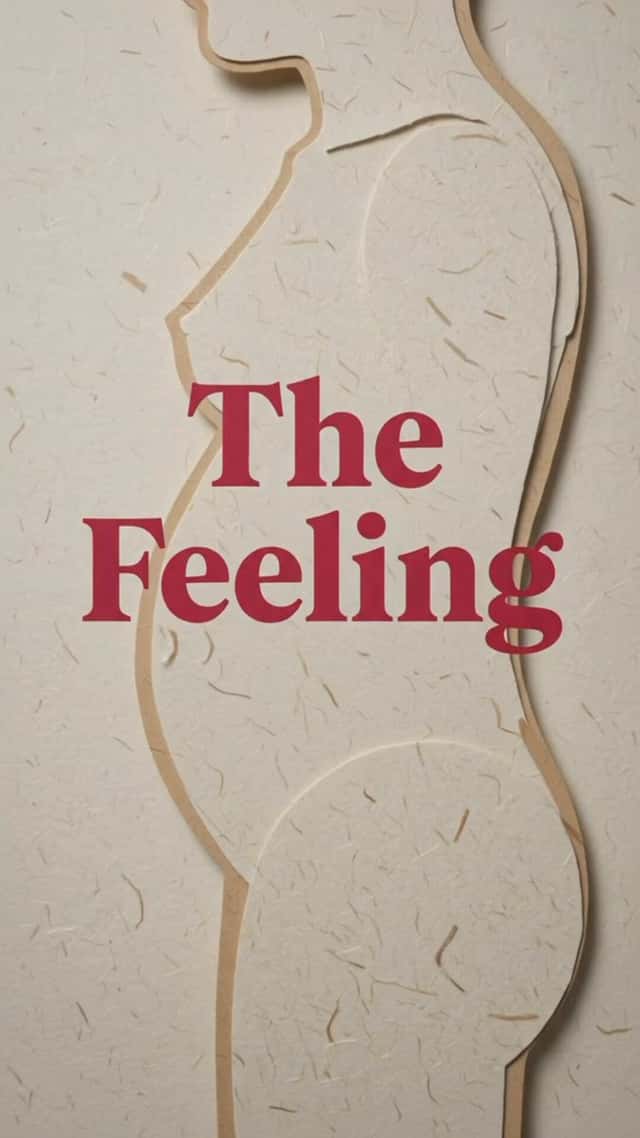 AIOpen the ad by @0xROASCraft style (paper, LEGO, crochet, felt)
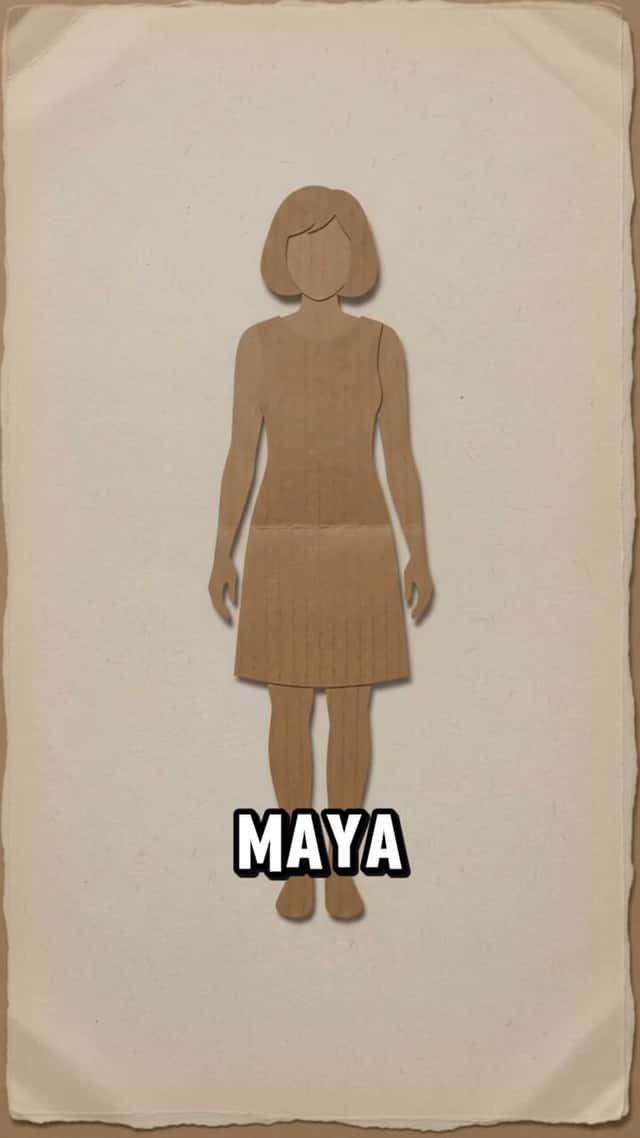 AIOpen the ad by @0xROASCraft style (paper, LEGO, crochet, felt)
 AIOpen the ad by @AducateClaymation
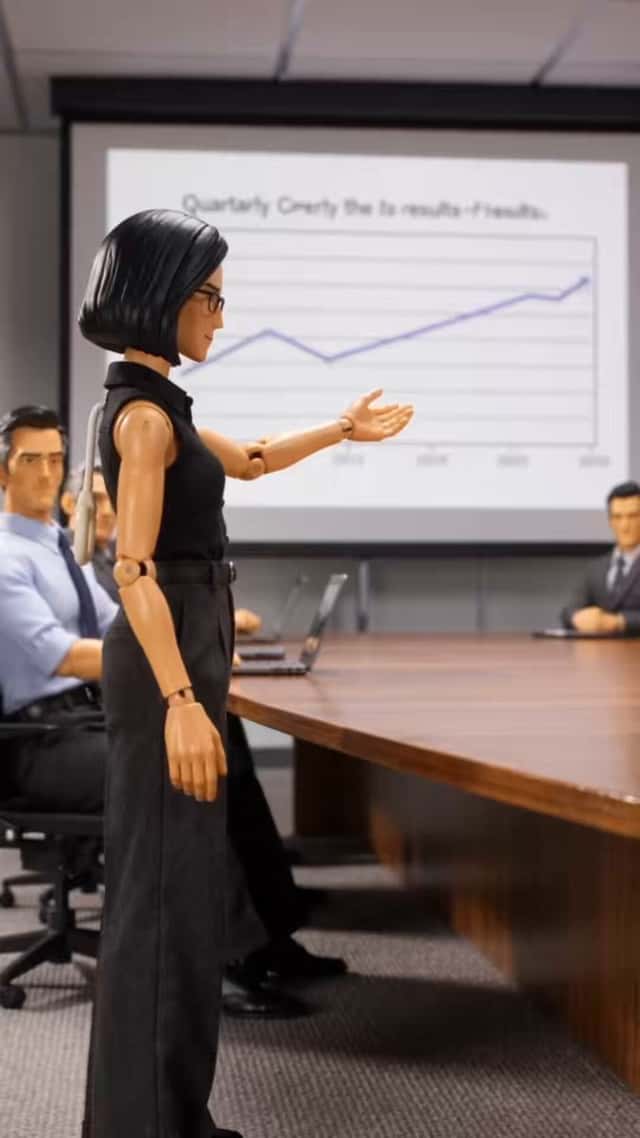 AIOpen the ad by @zedmadeitCraft style (paper, LEGO, crochet, felt)
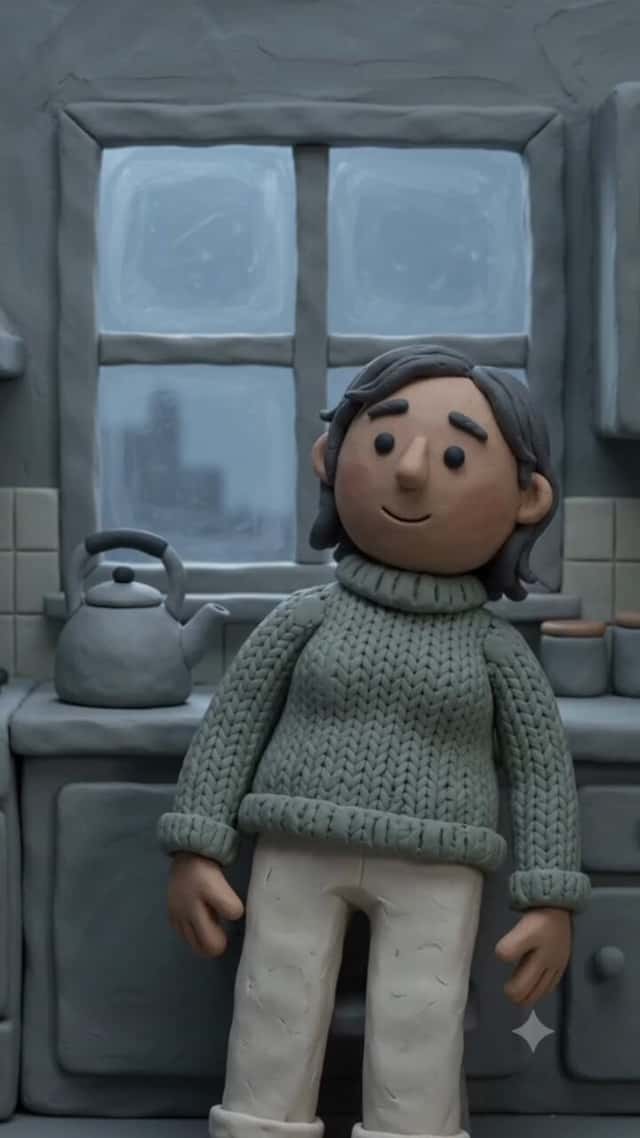 AIOpen the ad by @laurgrowthClaymation
 AIOpen the ad by @maxxmalistClaymation
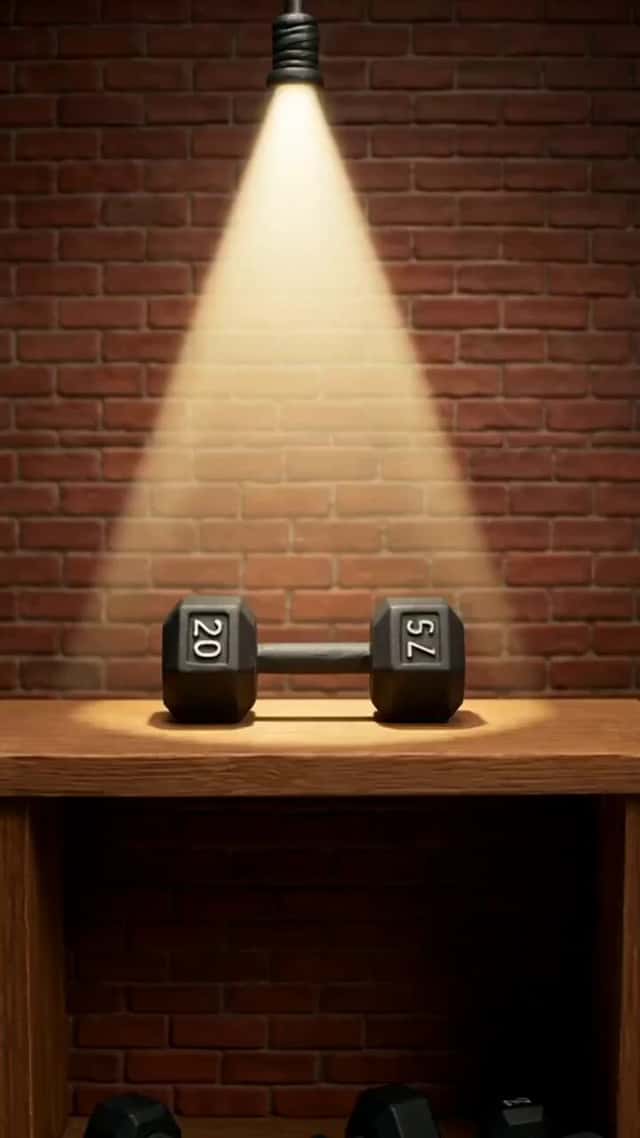 AIOpen the ad by @CEO_VladClaymation
What AI claymation and craft-style ads look like
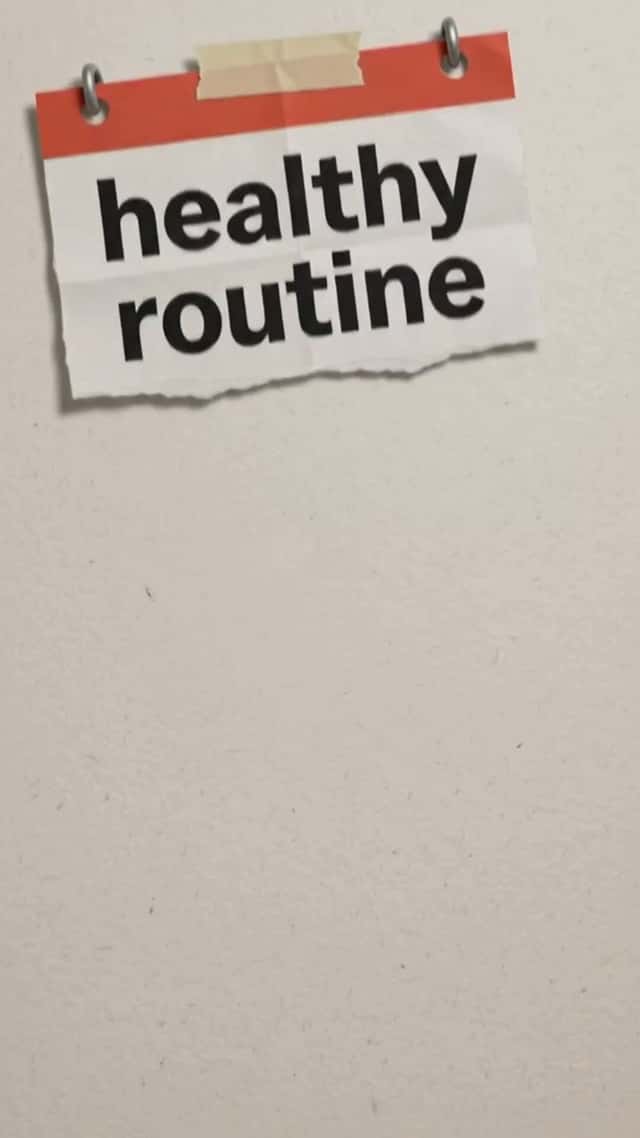
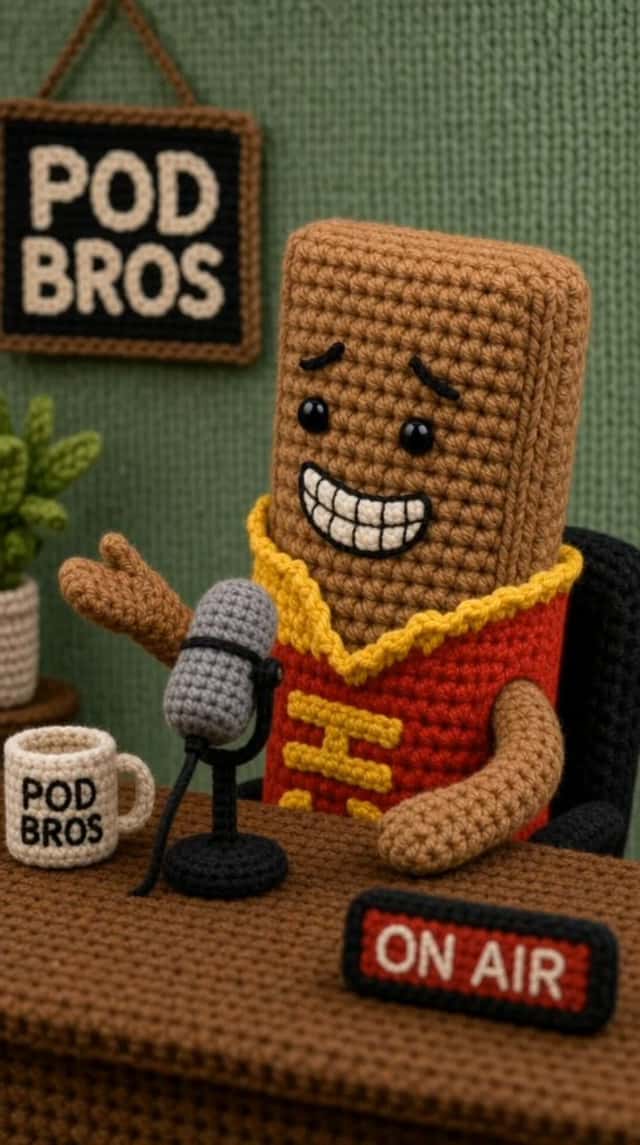
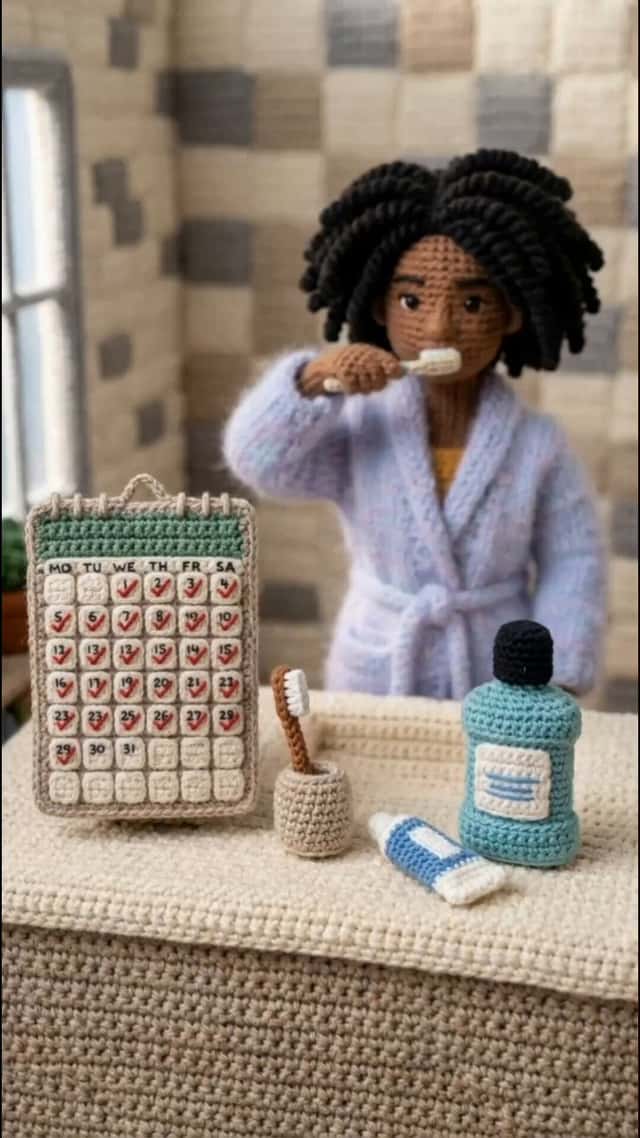
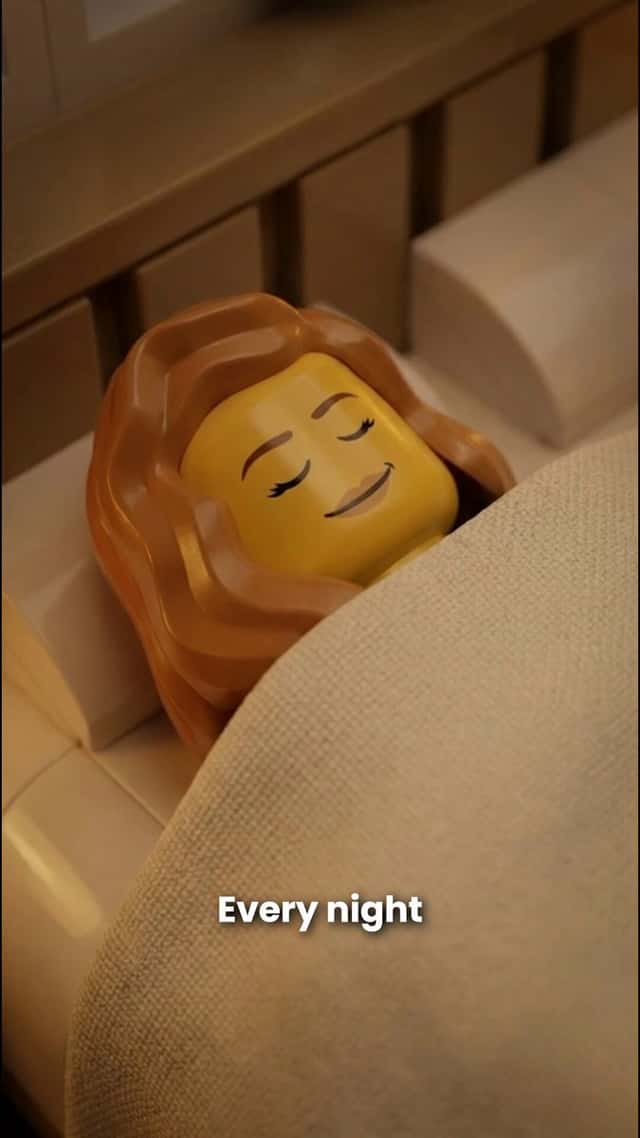
The frame looks like a miniature set lit for stop-motion. In the examples on this page you can see clay figures (a man asleep at a cluttered desk, a figure standing in a shower), grey paper scenes, brick-built sets, crochet dolls inside a crochet bedroom, a paper sticky-note title card, and a knitted mascot speaking into a podcast mic.
Almost all of them are vertical. The camera stays close to the figures, so the texture of the material fills the screen.
Why brands choose a handmade look
A handmade look tells the viewer this is not a stock product shot, and it lets a brand show an awkward problem (bad sleep, a messy bathroom, a body ache) in a way that reads as gentle or funny instead of clinical.
It also separates the ad from live-action UGC sitting next to it in a feed. A brand that already runs talking-head ads can test the same message in a style that looks nothing like them.
Pick the material before you write
Each material suits a different tone. Decide this first, because it changes how characters move and what the voiceover sounds like.
| Material | What it shows well | Watch out for |
|---|---|---|
| Clay | Squashy, comic problem scenes; faces that stretch and react | Fingerprint texture drifting between shots |
| Paper and card | Step-by-step explainers, lists, title cards | Flat lighting that looks like a slideshow |
| Plastic bricks | Building, assembly, "before and after" sets | Logos or figure designs owned by a toy company |
| Crochet and felt | Soft, cosy products: bedding, baby, pets, sleep | Stitches melting into a smooth surface |
Beat sheet for a craft-style ad
- Open on the problem, acted out by a clay or craft figure, in the first second. No title card first.
- One line of voiceover or on-screen text names the problem in plain words.
- The product appears as a craft object in the same material, then cuts to a real pack shot or keeps the craft version, depending on the brief.
- Show the change: the same figure, same set, now without the problem.
- One or two reasons to believe, shown as craft props or paper labels.
- Close on the product and the offer, with the brand name readable.
Writing the script for clay characters
Clay figures cannot carry long lip-synced speeches. Write most lines as voiceover from a narrator or the main character's inner voice, and keep on-camera dialogue to short lines.
Give every beat one physical action the figure can do: yawn, slump, trip, wave. AI video handles a single clear action per shot more cleanly than several at once.
Frame and length
Make it 9:16 for Reels, TikTok and Shorts, and crop a 4:5 version for feed placements. Keep the figures in the middle of the frame so the crop does not cut off a face.
Length follows the script. A single problem-to-product story fits a short cut; a list of reasons runs longer, so make a short and a long edit from the same shots.
Make it with AI
The usual workflow is image first, then motion:
- Generate a still of each character and the set in the chosen material, and approve them before any video.
- Animate each still with an image-to-video model, one action per shot, using the approved character image as the reference every time.
- Record or generate the voiceover, then lip-sync only the shots where the figure speaks on camera.
- Add a light music bed and soft foley (squish, paper rustle) in the edit.
For model-specific prompting, see Seedance for ads and Kling for ads. For a prompt skeleton, keep material, lighting and action in fixed slots:
[material] stop-motion style, [character] in [set], [one action], soft studio light, shallow depth of field, vertical frame
Moving a winning script into clay
The craft version keeps the script's hook, angle and order, and swaps people for figures. Read the script line by line and write one physical action for each line; any line you cannot show as an action becomes voiceover.
That is how this format fits one winning script made in every format: the words stay, the look changes. Start from a tested script and the UGC script template instead of writing a new story for the clay version.
Who this is for
- Independent AI creators and editors. You make the ads yourself. You know your work performs, so you'd rather be paid on what it does than on a flat fee.
- AI agencies and studios. You run a team of editors. You write the brief, your team makes the versions, and you're paid on performance because you know your team's ads scale.
Not for you if
- You only want a flat fee.
- You're new to editing and not yet confident your ads will perform.
- You want every shot spelled out for you.
- You make one style and won't try others.
FAQ
What is an AI claymation ad?
It is a short video ad where the characters, props and set look like they were sculpted from clay and filmed frame by frame, but the footage is generated with AI video tools instead of built and shot by hand.
Can I use LEGO in an AI ad?
You can use a generic brick-built look, but do not show another company's logo, name or recognisable minifigure design. Describe the style as plastic building bricks in your prompts and keep any branding to your own client's product.
Which works better for ads, clay or crochet?
Neither is better in general. Pick the material that matches the product's tone: clay for comic, squashy problem scenes, paper for explainers and lists, crochet or felt for soft, cosy products.
How do I keep a clay character consistent across shots?
Generate one approved still of the character first and use it as the reference image for every shot. Keep the same lighting words and set description in every prompt so the texture does not drift.
Does a craft-style ad need an AI label?
Platform rules differ and change. Read our guide to AI ad labels on Meta and TikTok before you upload, and follow the rules of the platform you run on.