
These are public examples of AI ads from creators on X. They were not made on or for Anglr. Click any ad to see the original post.
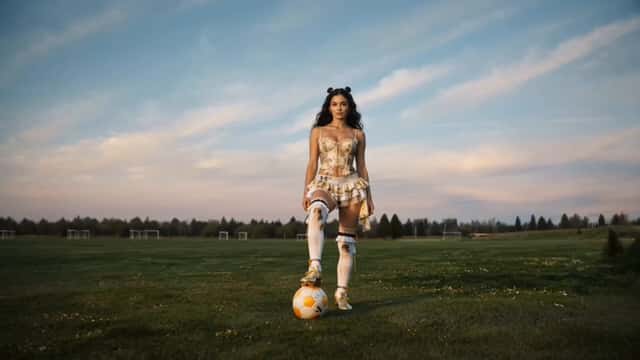 AIOpen the ad by @soulful__aiFashion / lookbook
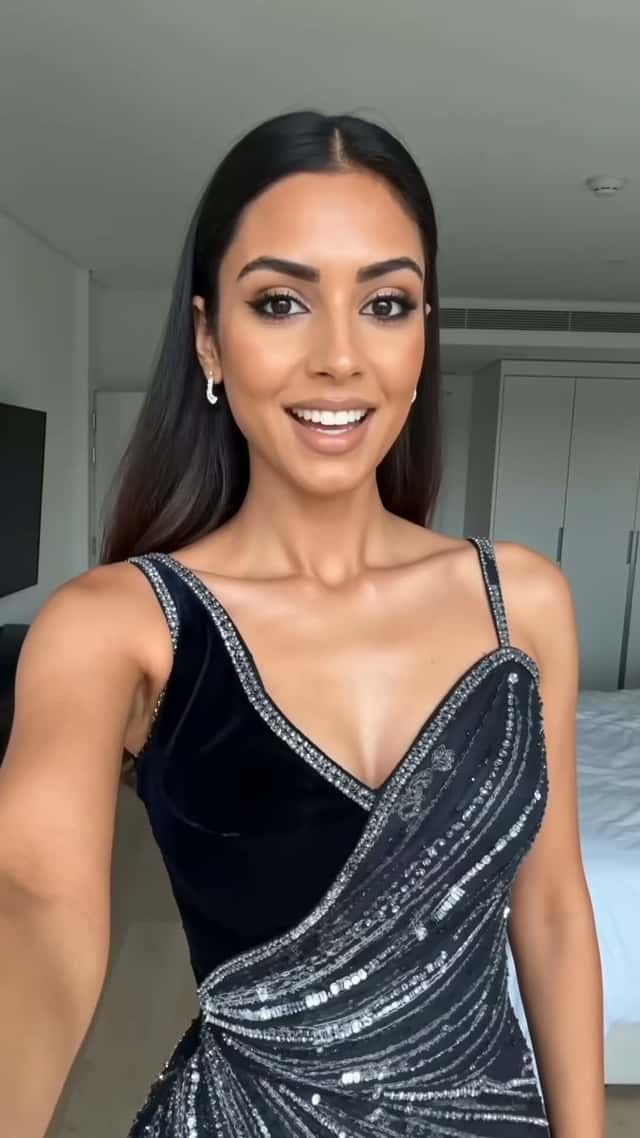 AIOpen the ad by @SparkifyAIFashion / lookbook
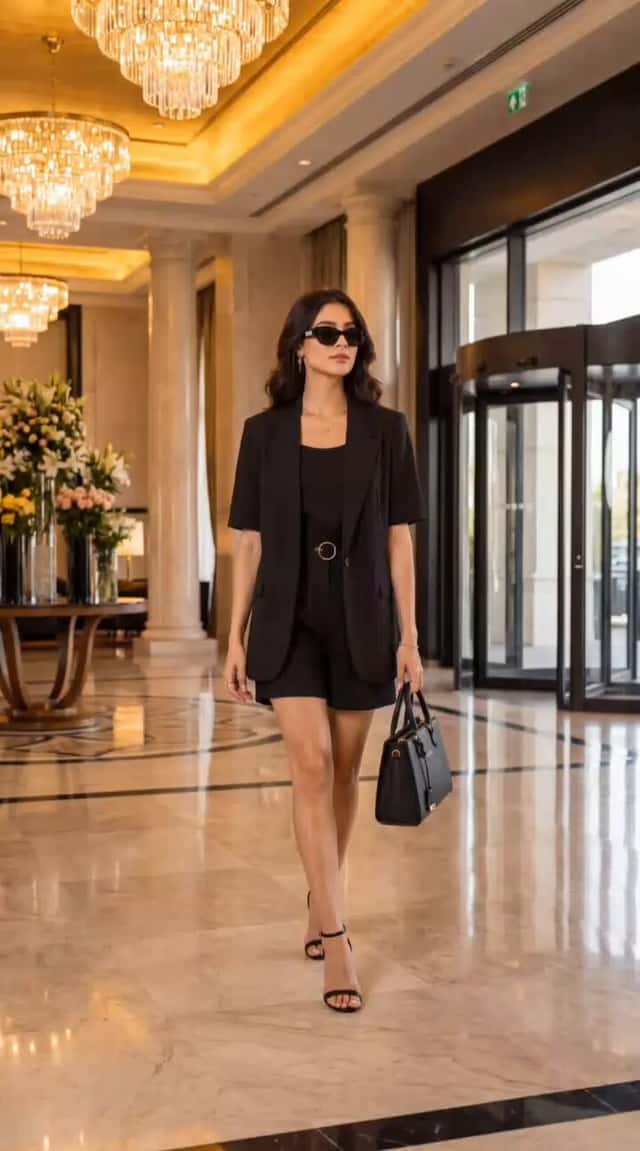 AIOpen the ad by @Romi2656Fashion / lookbook
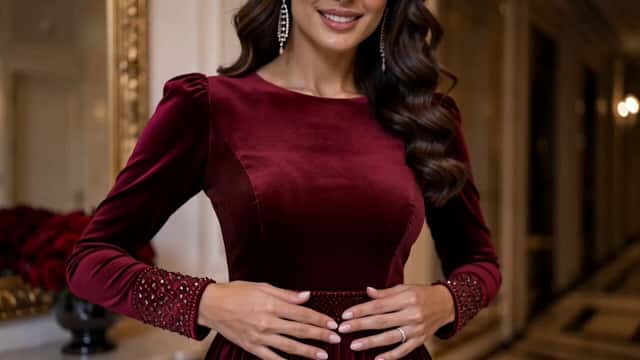 AIOpen the ad by @Romi2656Fashion / lookbook
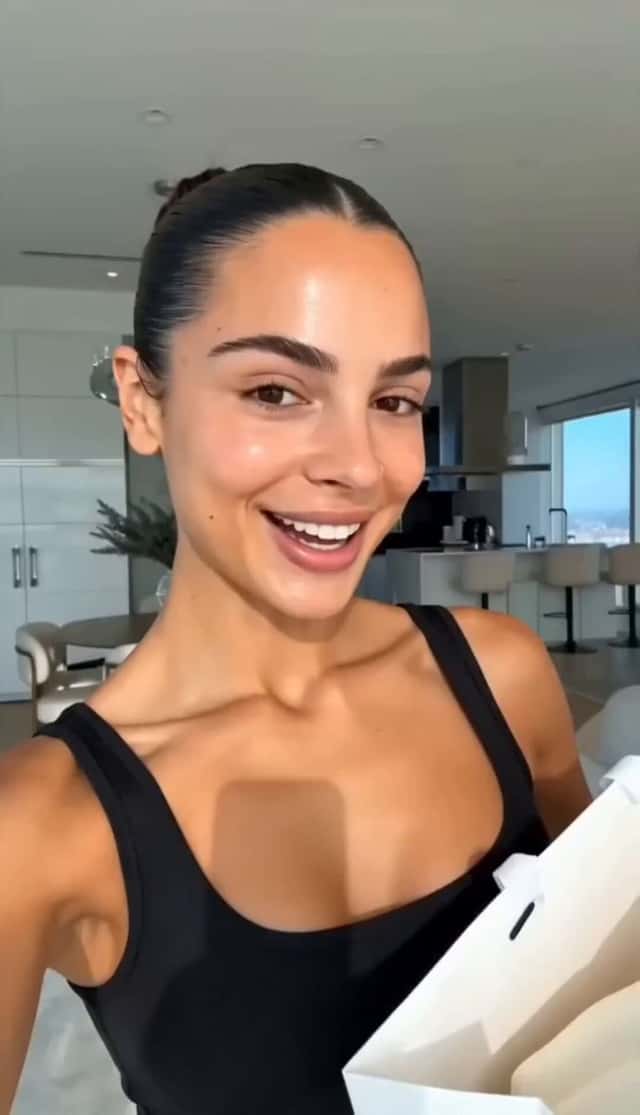 AIOpen the ad by @AmControoFashion / lookbook
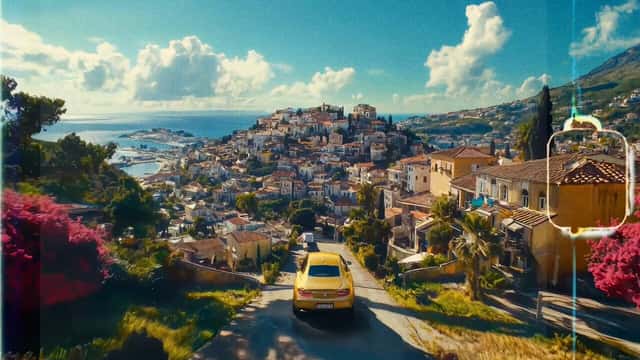 AIOpen the ad by @CuriousRefugeFashion / lookbook
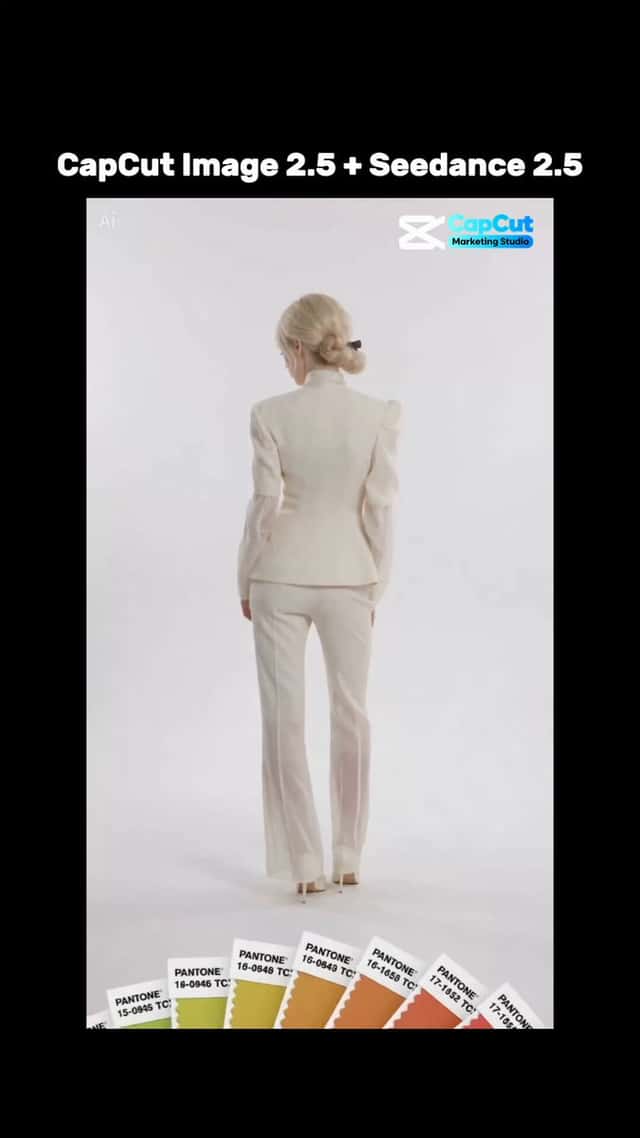 AIOpen the ad by @AmControoFashion / lookbook
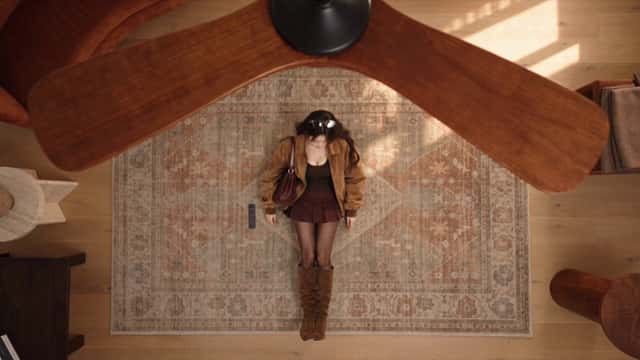 AIOpen the ad by @AIwithkhanFashion / lookbook
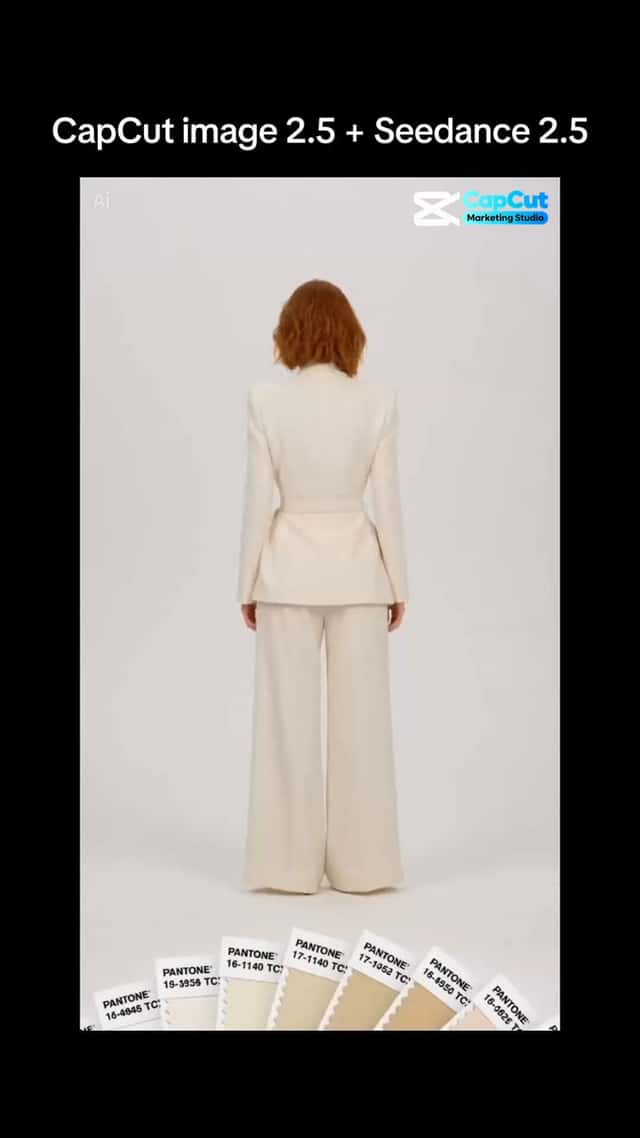 AIOpen the ad by @AIPandaXFashion / lookbook
 AIOpen the ad by @MonetizationDonFashion / lookbook
 AIOpen the ad by @AmControoFashion / lookbook
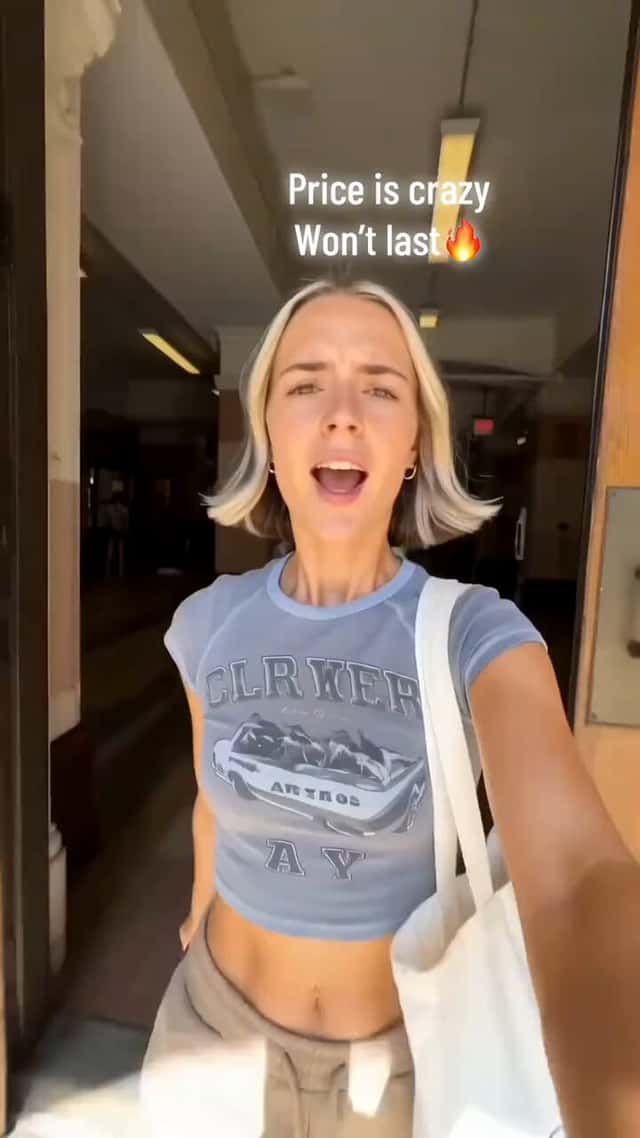 AIOpen the ad by @Romi2656Fashion / lookbook
- AIOpen the ad by @itxabdullaaFashion / lookbook
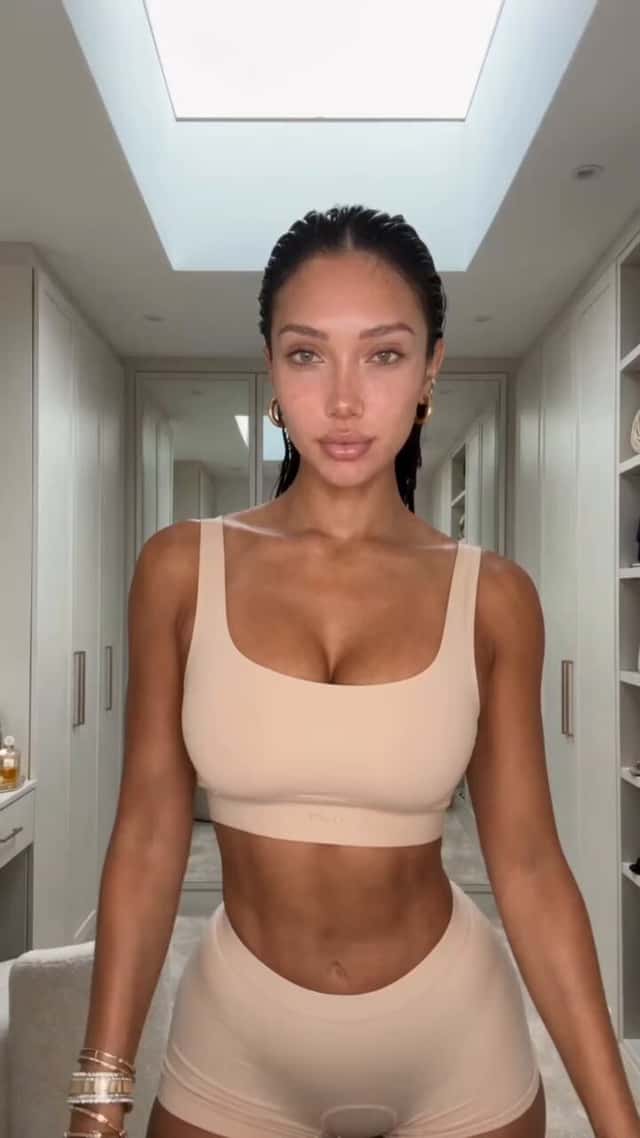 AIOpen the ad by @jessibuildsFashion / lookbook
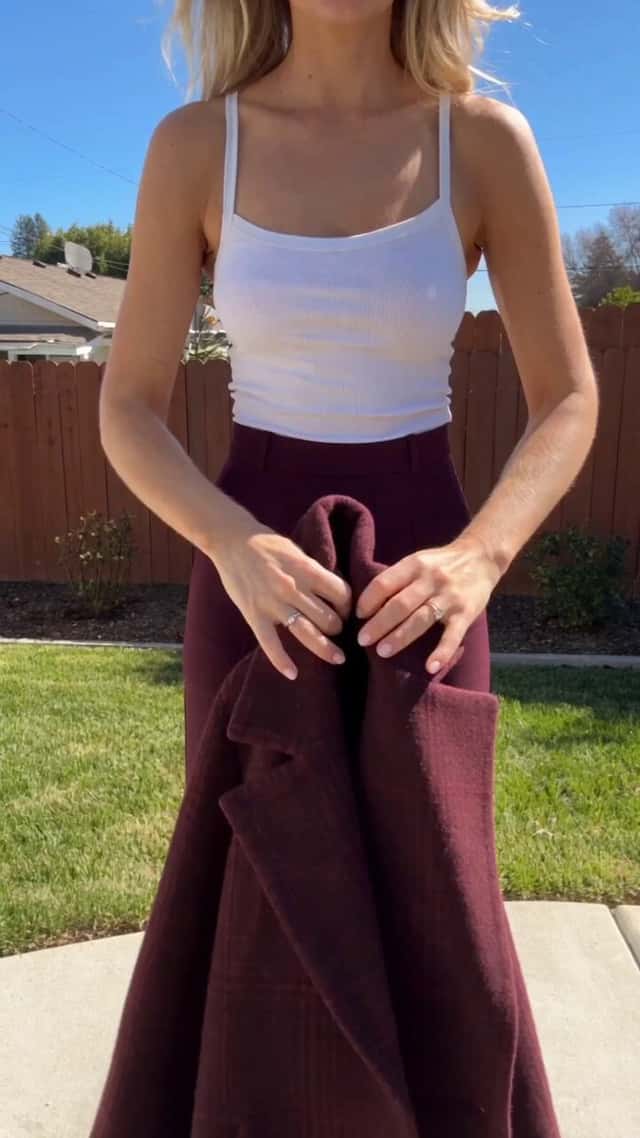 AIOpen the ad by @Romi2656Fashion / lookbook
What the examples look like
AI fashion ads show a model walking or posing in an outfit, in a field, a hotel lobby or a bedroom. The examples include full-body outfit shots, a colour-palette card and an overhead shot of a person lying on a rug.
Most have little or no speech. The clothes, the location and the music carry the clip.
Why brands use the lookbook format
The viewer sees the whole outfit, how it moves and where it could be worn, which a static product photo cannot show. A lookbook also lets one garment appear in several settings without a location shoot for each.
Lookbook shot list
| Shot | Purpose | Duration |
|---|---|---|
| Walk toward camera | Shows movement and fit | 2–3 s |
| Full-body pose | Shows the whole outfit | 1–2 s |
| Detail | Fabric, stitching, hardware | 1 s |
| Turn or back view | Shows the cut from behind | 1–2 s |
| Location wide | Sets the mood of the collection | 1–2 s |
| Palette or text card | Names the collection or colours | 1 s |
| Overhead or styled still | A different angle to end on | 1–2 s |
For a 15 second ad, pick five or six of these and repeat the walk with a second outfit if the collection needs it.
Keeping the garments accurate
This is the part that decides whether the ad can run. AI image and video models often change a hemline, add a pocket or shift a colour. Start from clean product photos of each garment, generate the model wearing it as a still, compare that still to the photo, and only animate stills that match.
Keep the same model, hair and make-up across the whole ad so the clothes are the only thing that changes.
Text, music and voice
Write the copy as short cards: the collection name, one line on the fabric or fit, and the call to action. Cut the shots to the beat of the music. Add a voiceover only when the ad has a specific claim to make, such as a fabric feature.
Ratio and length
Make the main version vertical 9:16 with the full outfit in frame, head to shoes, and leave space at the top and bottom for platform buttons. A landscape version suits a website hero or YouTube. Keep a 15 second cut and a longer cut for collections with several outfits.
Make it with AI
- Generate one model reference: face, body type, hair, make-up.
- For each garment, generate a still of the model wearing it, using the garment photo as a reference.
- Generate location plates and place the model in them.
- Animate with image-to-video: walk, turn, sit, look to camera, one movement per shot.
- Cut to music and add text cards.
fashion lookbook, [model description] wearing [garment description, colour, fabric], [pose or movement], in a [location], [time of day] light, full body, 9:16
See the Kling, Higgsfield and Seedance guides for set-up.
Checks before launch
- Garment colour, cut and detail match the product the customer will receive.
- Sizes shown match the sizes sold; don't show a fit the range does not offer.
- No face that resembles a real model or public figure, and no other brands' logos.
- AI disclosure follows platform rules: AI ad labels on Meta and TikTok.
A winning script as a lookbook
Fashion is the format where the script is least visible. The angle from the winning script becomes the first text card, the main benefit becomes the detail shot and its line, and the call to action stays as the last card. One winning script, made in every ad format shows how the same angle carries across formats with and without speech.
Who this is for
- Independent AI creators and editors. You make the ads yourself. You know your work performs, so you'd rather be paid on what it does than on a flat fee.
- AI agencies and studios. You run a team of editors. You write the brief, your team makes the versions, and you're paid on performance because you know your team's ads scale.
Not for you if
- You only want a flat fee.
- You're new to editing and not yet confident your ads will perform.
- You want every shot spelled out for you.
- You make one style and won't try others.
FAQ
What is an AI lookbook ad?
It is a short fashion video in which an AI-generated model wears the collection in one or more locations, shown in full-body, walking and detail shots. It is closer to a fashion film than to a UGC ad.
Can AI keep a real garment accurate?
Only if every shot starts from real photos of the garment. Check colour, cut, length, fabric texture, buttons and logos in every frame, and regenerate shots that change them.
What aspect ratio should an AI fashion ad use?
The examples here use a mix of vertical and landscape. Make a vertical 9:16 version for feed and stories, framed so the full outfit fits from head to shoe.
Do AI fashion ads need a voiceover?
Not usually. Most lookbooks run on music and a few lines of text. A voiceover can be added if the ad is built around one specific claim about the garment.
Should AI fashion models look like real people?
They should not look like a specific real person or a known model. Generate original faces and keep the same one across the ad.