
These are public examples of AI ads from creators on X. They were not made on or for Anglr. Click any ad to see the original post.
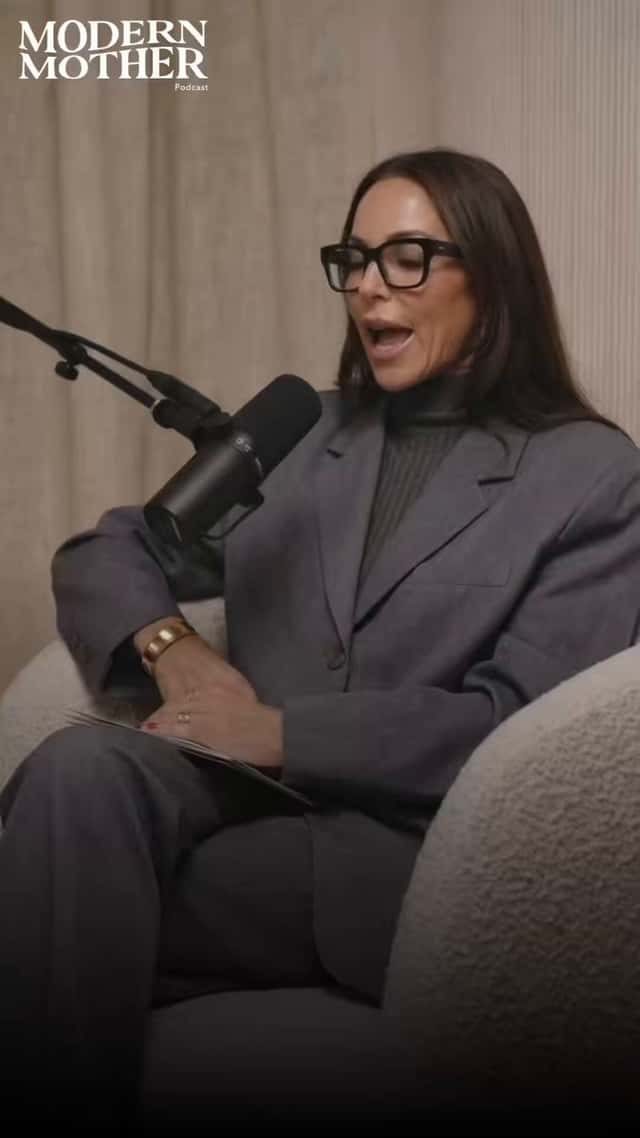 AIOpen the ad by @frankyecomTwo-person podcast
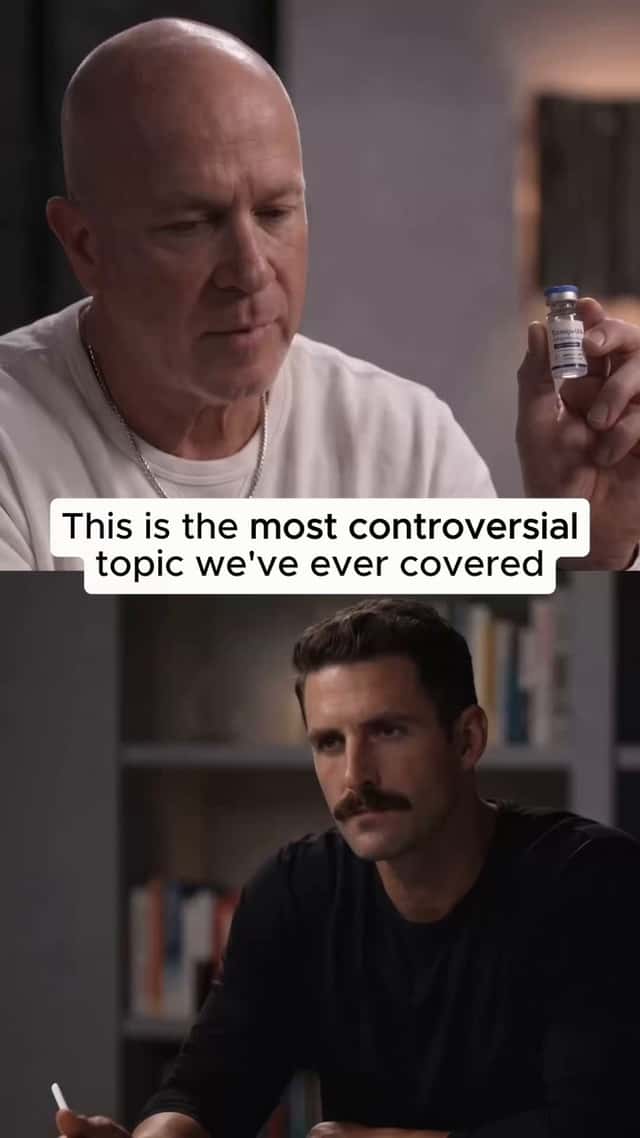 AIOpen the ad by @frankyecomTwo-person podcast
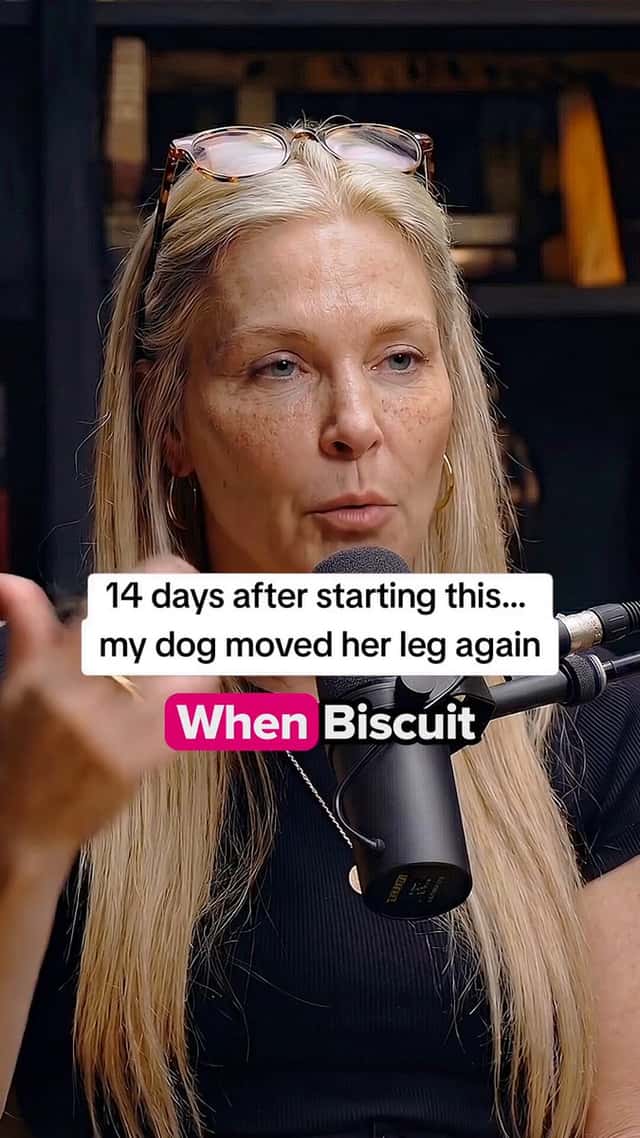 AIOpen the ad by @aaronmtrxTwo-person podcast
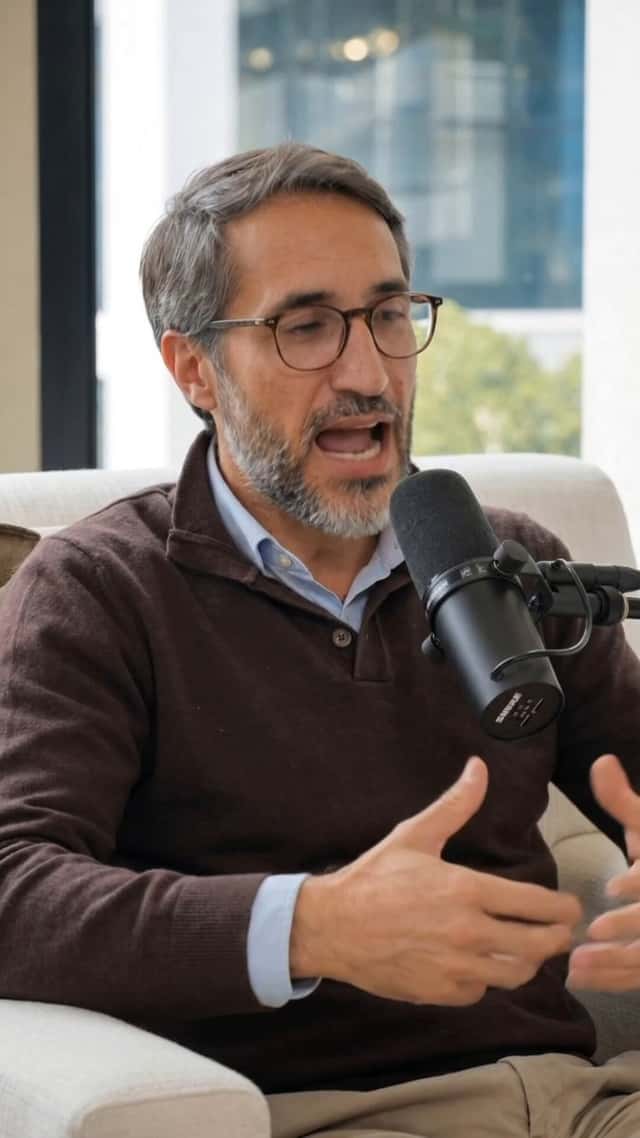 AIOpen the ad by @frankyecomTwo-person podcast
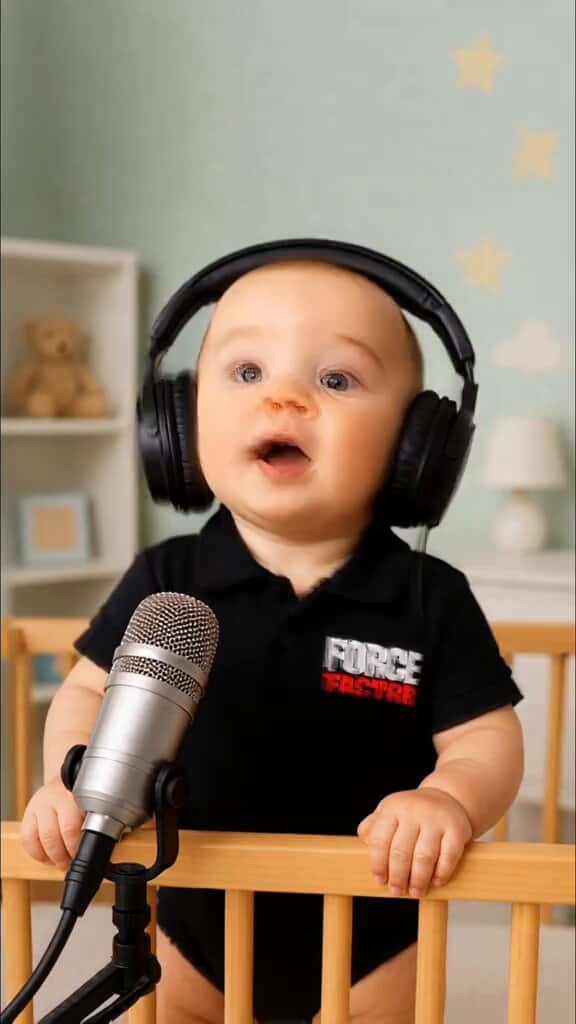 AIOpen the ad by @kidpakerotTwo-person podcast
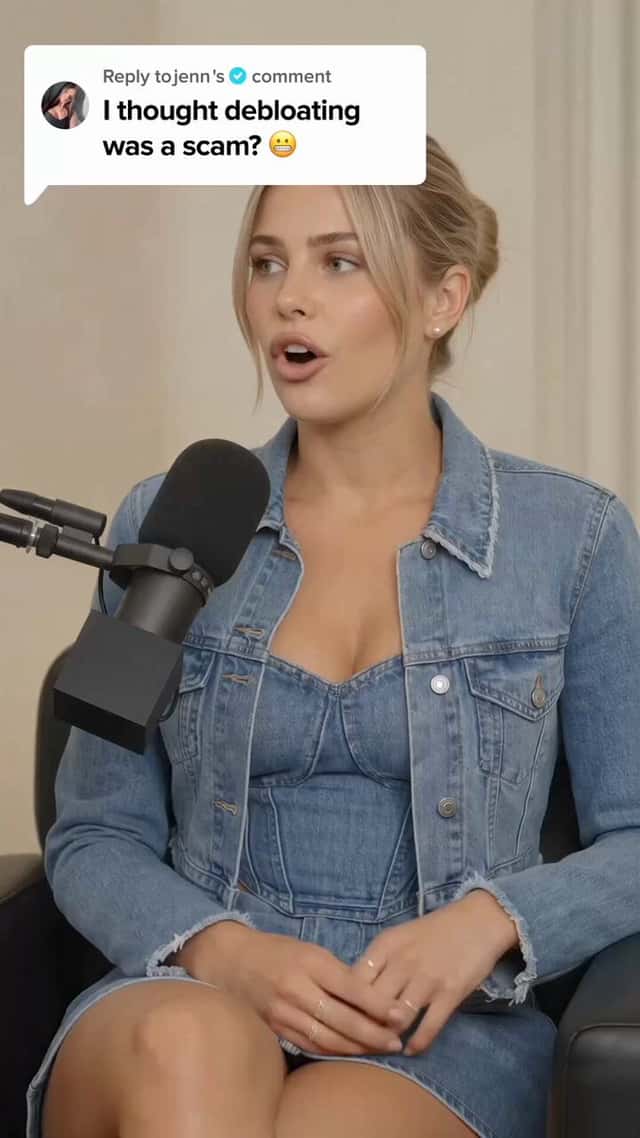 AIOpen the ad by @CEO_VladTwo-person podcast
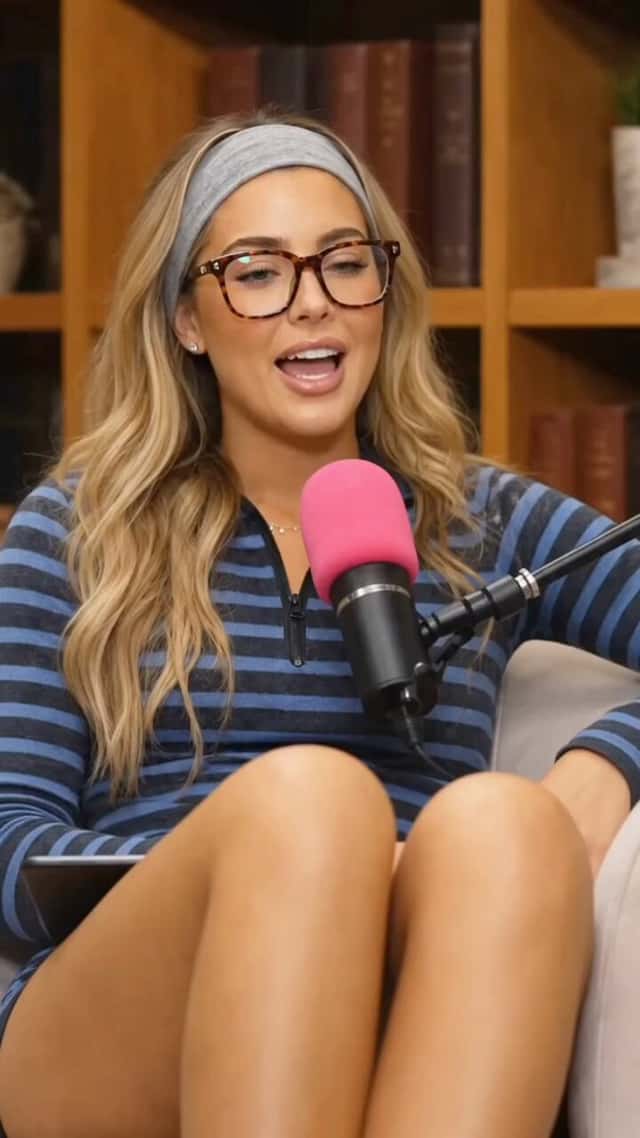 AIOpen the ad by @CEO_VladTwo-person podcast
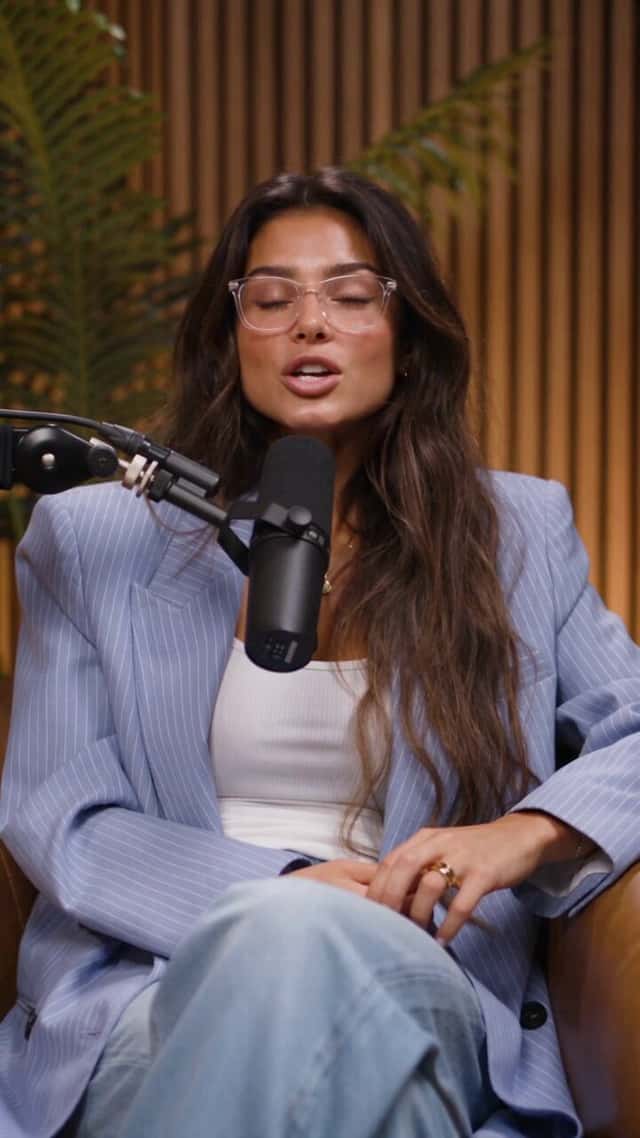 AIOpen the ad by @spwfeijenTwo-person podcast
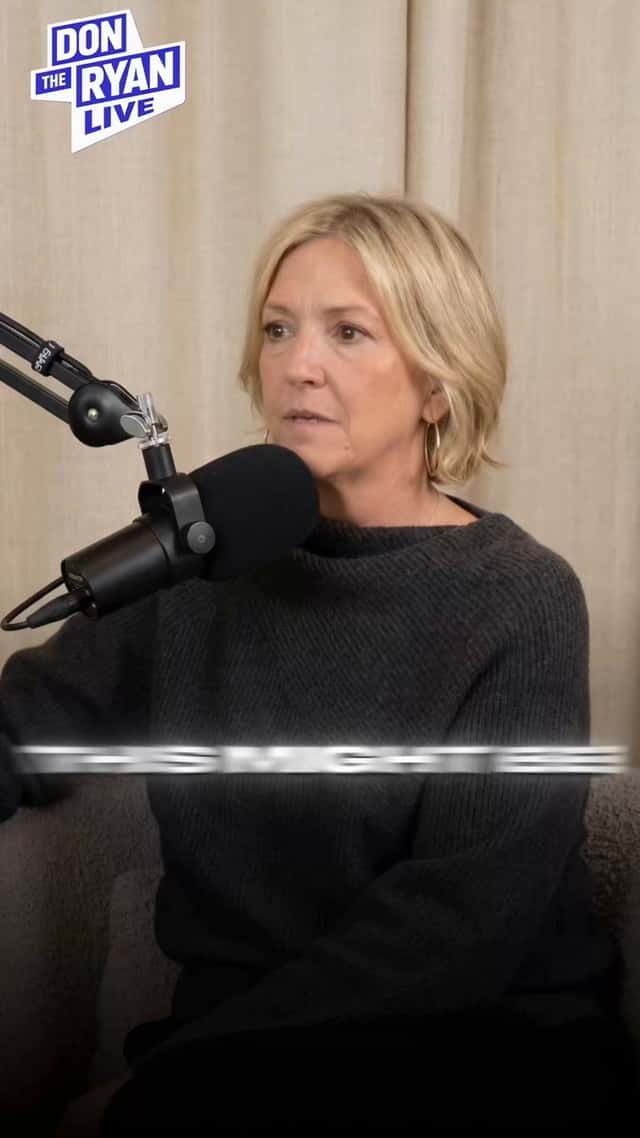 AIOpen the ad by @frankyecomTwo-person podcast
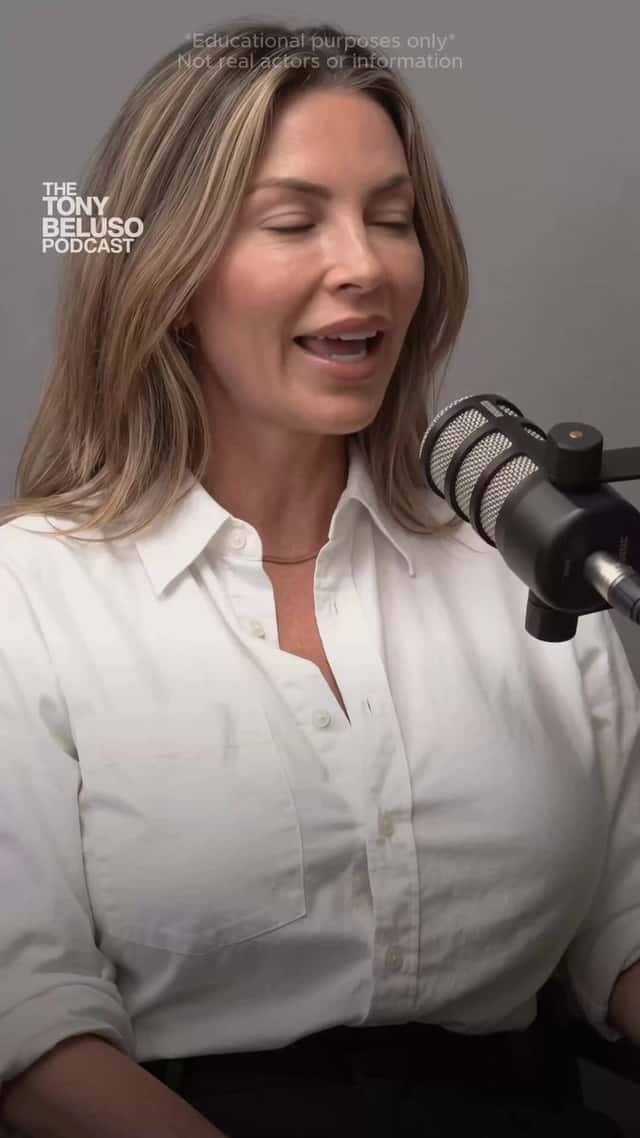 AIOpen the ad by @frankyecomTwo-person podcast
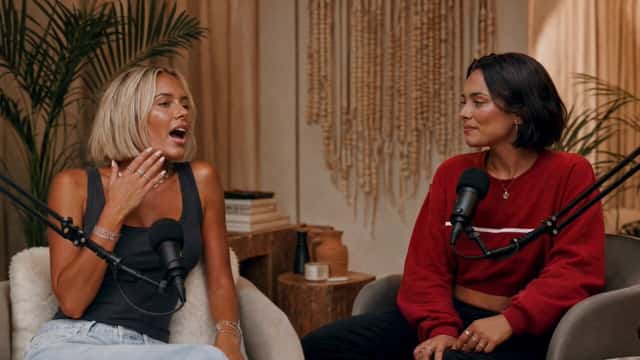 AIOpen the ad by @FynCasTwo-person podcast
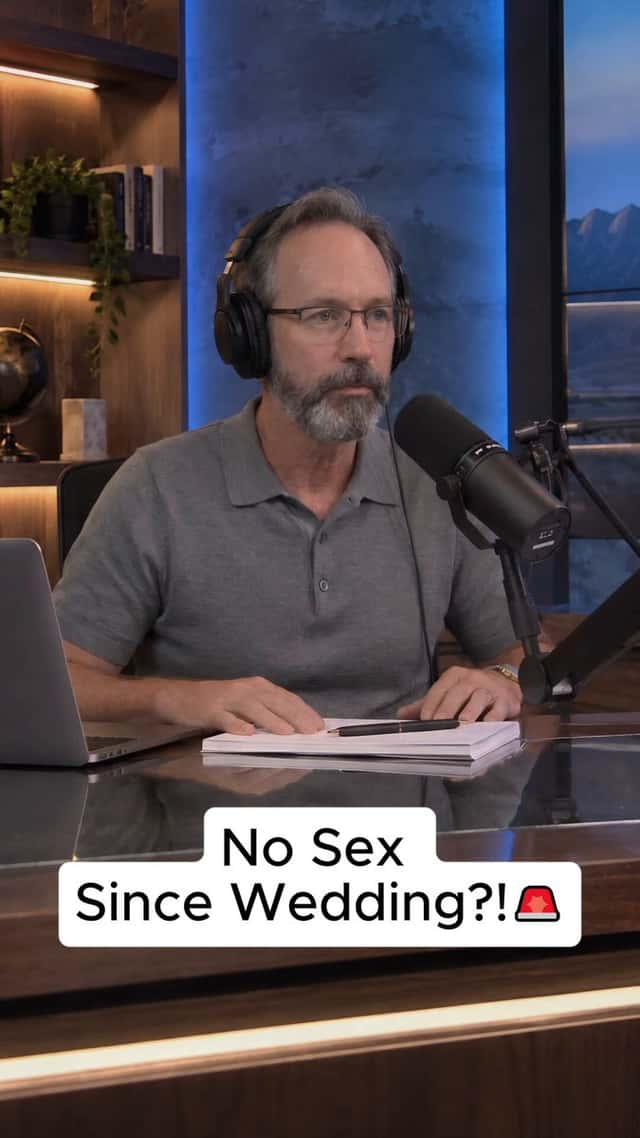 AIOpen the ad by @DavidRunsAdsTwo-person podcast
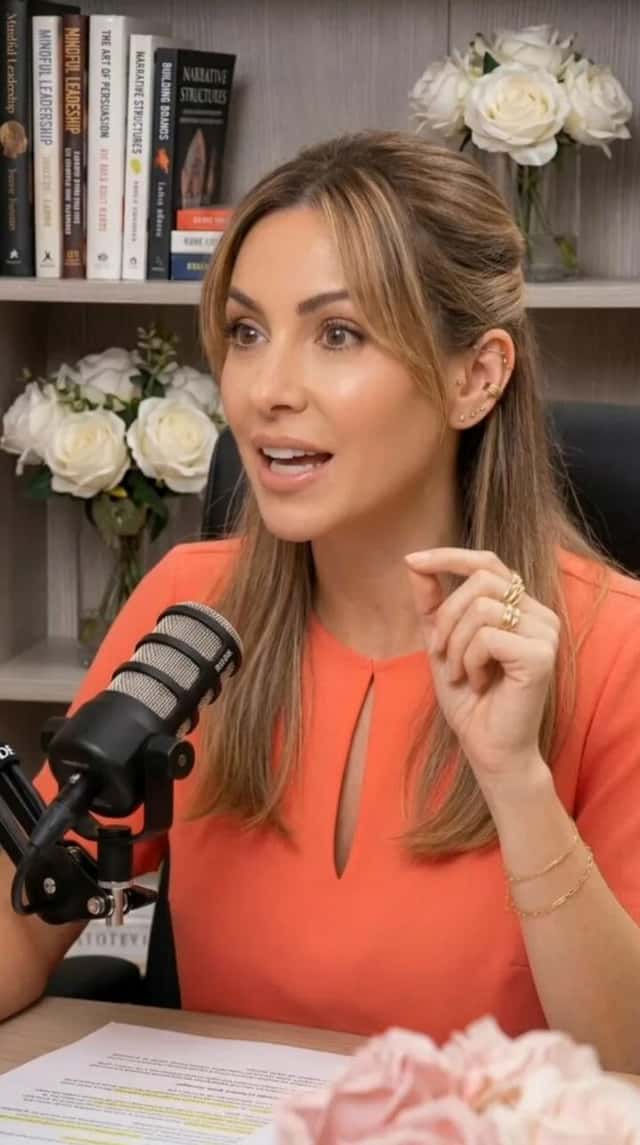 AIOpen the ad by @maxxmalistTwo-person podcast
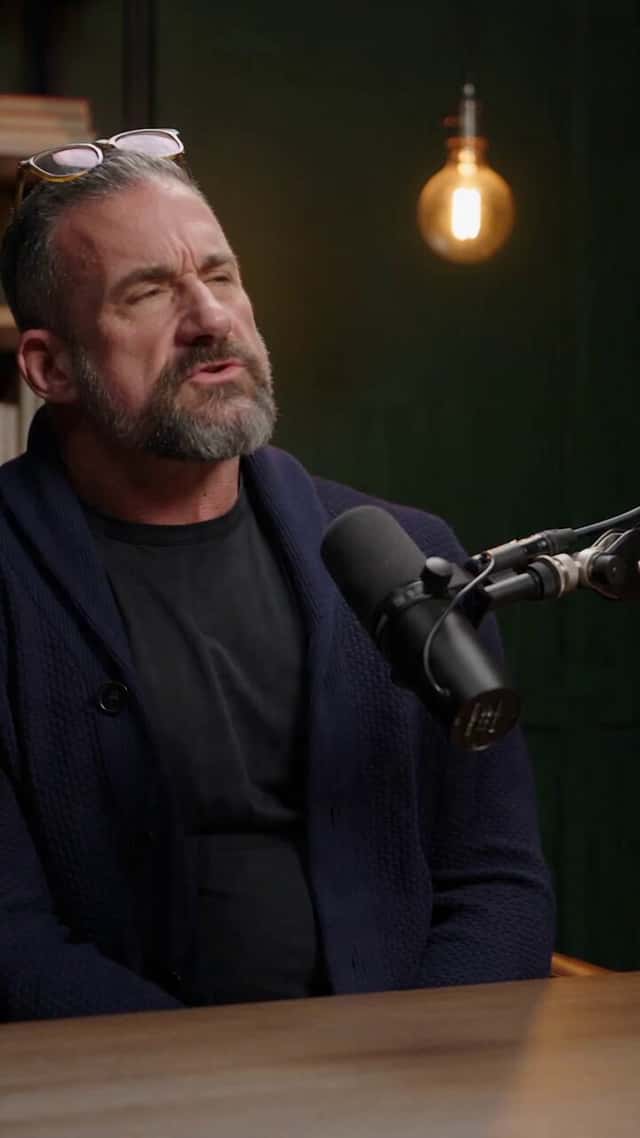 AIOpen the ad by @ahmad_a_wahabbTwo-person podcast
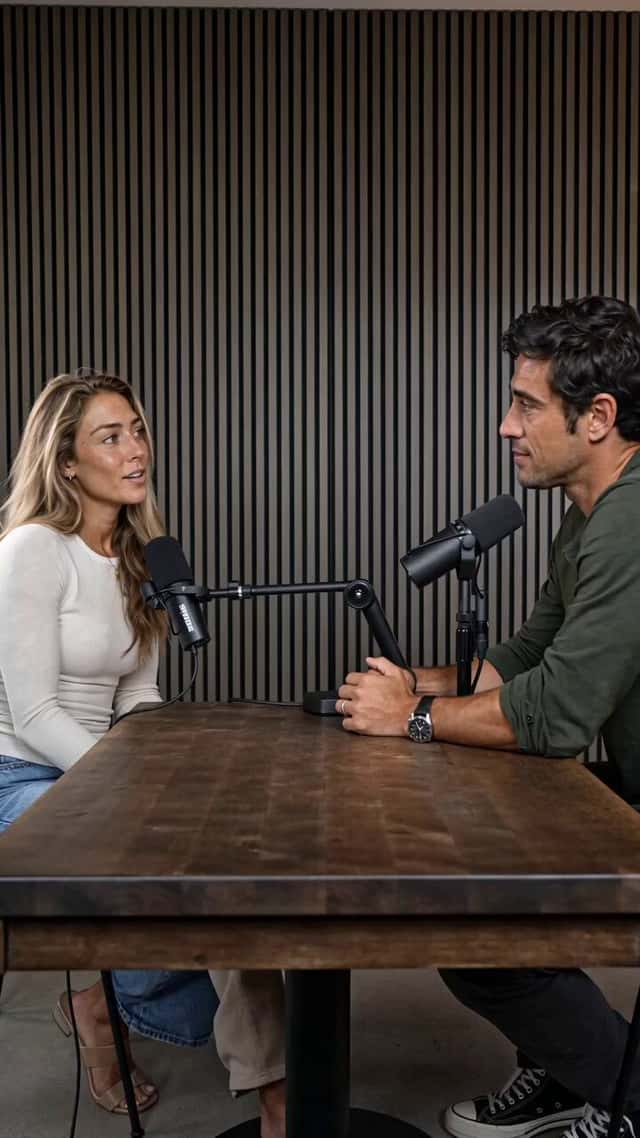 AIOpen the ad by @sammgrowthTwo-person podcast
What the format is (and is not)
An AI podcast ad is a social video ad dressed as a podcast clip. In the examples here, one or two people sit at studio microphones with headphones on, in a living-room or studio set, and captions are burned into the lower third. Many use a split-screen two-shot.
Searches for "ai podcast ads" also return news about AI voices in audio podcast ads. That is a different product; this page is about the video format for Reels, TikTok and other feeds.
Why brands use it
The podcast look signals a conversation rather than a pitch, so the product can be explained through a question and an answer. It also allows longer explanations than a quick selfie clip, because the viewer expects people to talk.
The set and the framing
| Shot | What it shows | Use it for |
|---|---|---|
| Host A single | Host A at the mic, headphones on | Questions, reactions |
| Host B single | Host B at the mic | Answers, the product explanation |
| Split-screen two-shot | Both hosts stacked or side by side | The opening, fast back-and-forth |
| Wide | Both hosts and the set | Establishing the set, the end |
| Insert | The product on the desk or in hand | The product moment |
Pick one set and keep it: same mics, same lamp, same background in every shot.
Conversation structure
- 0–3 s, the clipped opener. Start mid-conversation on the strongest line, as if the clip was cut from a longer episode.
- 3–15 s, the question. Host A asks what the viewer is thinking: "Wait, so why does that keep happening?"
- 15–35 s, the answer. Host B explains the problem and the reason, in plain words.
- 35–45 s, the product. Host B names the product and why it fits, with an insert shot of it.
- 45–55 s, the reaction and the ask. Host A reacts, asks one follow-up, and the clip ends on the call to action as text.
Script notes
Write it as two people, not one person split in two. Give Host A short lines and reactions; give Host B the explanation. Interruptions, "right", and a laugh make it read as a conversation.
Keep the brand name out of the first few seconds. The opener should be about the problem, not the product. The UGC script template can be adapted by adding a speaker column; for opening lines, see ad hooks.
Ratio and length
The examples are mostly vertical 9:16, which suits the split-screen two-shot. Keep captions in the lower third, below the mics. Podcast clips tend to run longer than selfie ads; plan a full cut of under a minute and a short cut that keeps the opener, the answer and the product.
Make it with AI
- Generate a reference image for each host and one for the set.
- Generate the whole conversation as audio first, with two clearly different voices, so timing is locked.
- Generate each single shot from the host reference with lip-sync to that host's lines.
- Build split-screen shots in the edit from the two singles.
- Add captions with speaker colours, then the product insert.
podcast studio, [host description] wearing headphones, speaking into a studio microphone, [set details], warm practical lights, medium close-up, [emotion]
Set-up notes are in the Higgsfield and Veo 3 guides.
Disclosure and claim checks
- No fake show. Don't name a real podcast, use a real show's logo, or say "on today's episode" of a show that does not exist as if it does.
- No fake experts. If a host is presented as a doctor or specialist, the platform's rules on expert claims apply, and an AI-generated person should not be passed off as a real professional.
- Claims. The explanation is a claim. Keep it to what the brand can support.
- AI label. Follow each platform's rules: AI ad labels on Meta and TikTok.
The podcast version of a winning script
A selfie UGC script becomes a podcast clip by splitting it: the hook becomes Host A's question, the explanation goes to Host B, and the call to action stays the same. Nothing in the angle changes. One winning script, made in every ad format shows this split next to the other versions.
Who this is for
- Independent AI creators and editors. You make the ads yourself. You know your work performs, so you'd rather be paid on what it does than on a flat fee.
- AI agencies and studios. You run a team of editors. You write the brief, your team makes the versions, and you're paid on performance because you know your team's ads scale.
Not for you if
- You only want a flat fee.
- You're new to editing and not yet confident your ads will perform.
- You want every shot spelled out for you.
- You make one style and won't try others.
FAQ
What is a fake podcast ad?
It is a short video ad styled as a clip from a podcast episode: hosts at microphones, a studio or living-room set and captions. There is no real episode; the clip is made as an ad. AI podcast ads are the same format generated with AI video tools.
Are AI podcast ads the same as AI host-read ads in audio podcasts?
No. Host-read ads are audio spots inside real podcast episodes. The format on this page is a video ad for social feeds that only looks like a podcast clip.
Do I need two characters for a podcast ad?
No. Some examples here show one person at a mic. Two hosts make it easier to write the script as questions and answers, which is why the two-person version is common.
How do I make two AI hosts talk to each other?
Generate a reference image of each host, generate the full conversation as audio with two distinct voices, then generate each shot with lip-sync for whoever is speaking in that part. Cut between them as you would a two-camera recording.
Do fake podcast ads need a disclosure?
Don't present the clip as a real show or the hosts as real experts, and follow each platform's AI content rules. See AI ad labels on Meta and TikTok.