
These are public examples of AI ads from creators on X. They were not made on or for Anglr. Click any ad to see the original post.
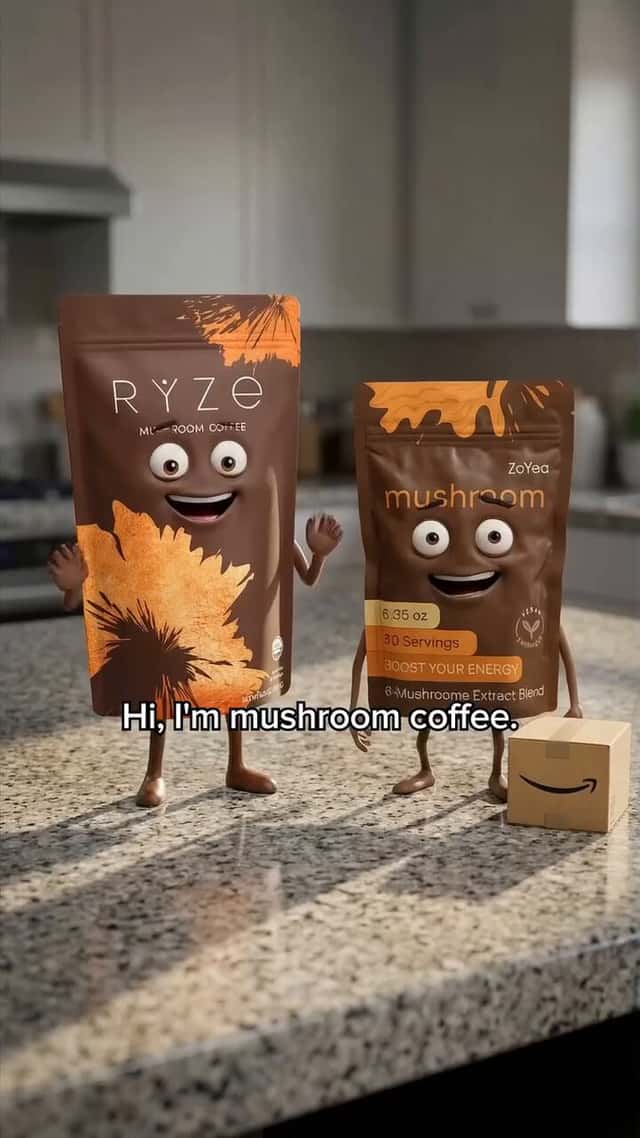 AIOpen the ad by @AazarshadTalking object / mascot
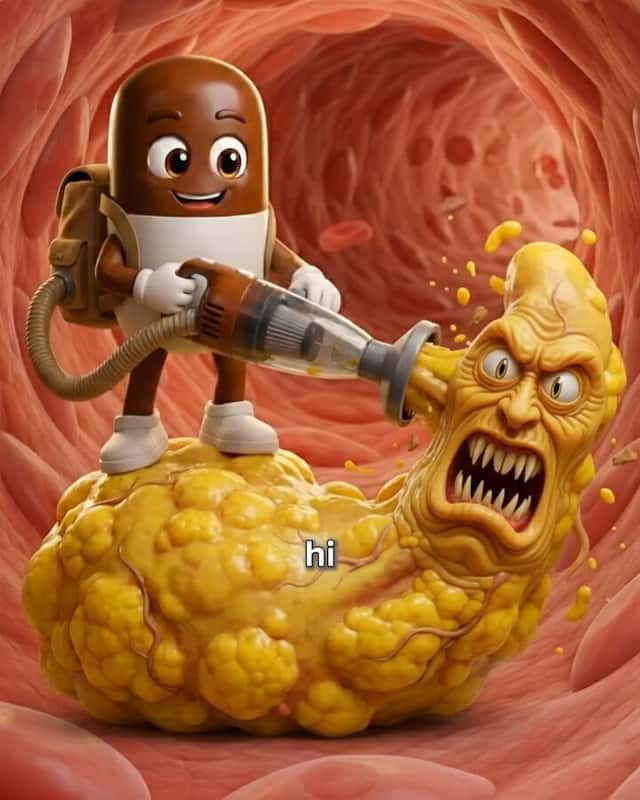 AIOpen the ad by @FedotOff90Talking object / mascot
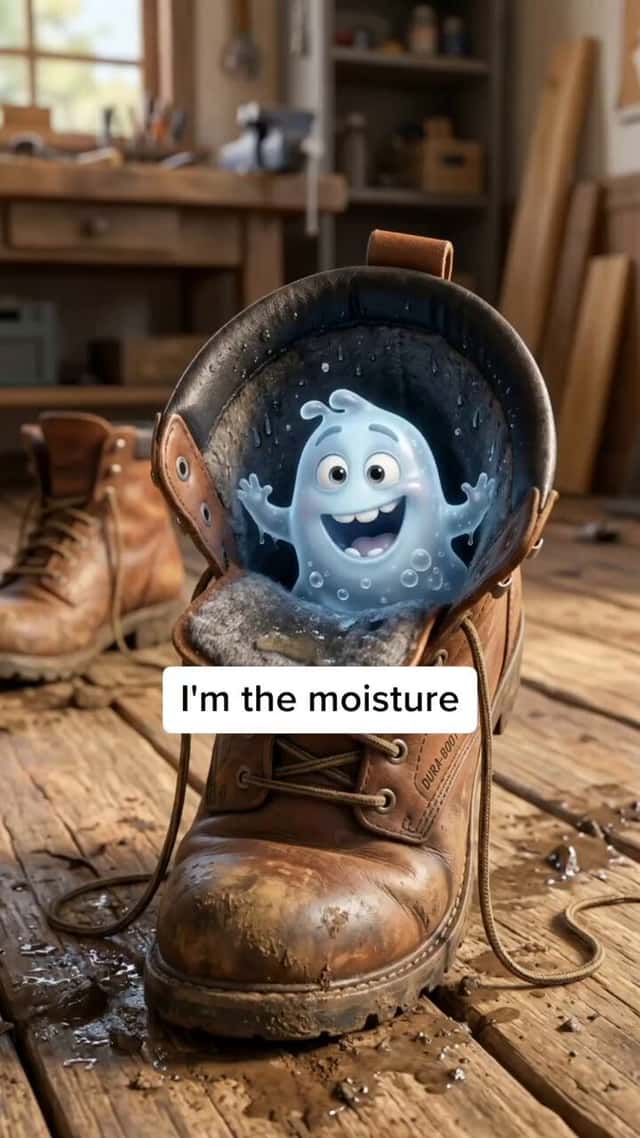 AIOpen the ad by @ZedNilm1Talking object / mascot
 AIOpen the ad by @maxxmalistTalking object / mascot
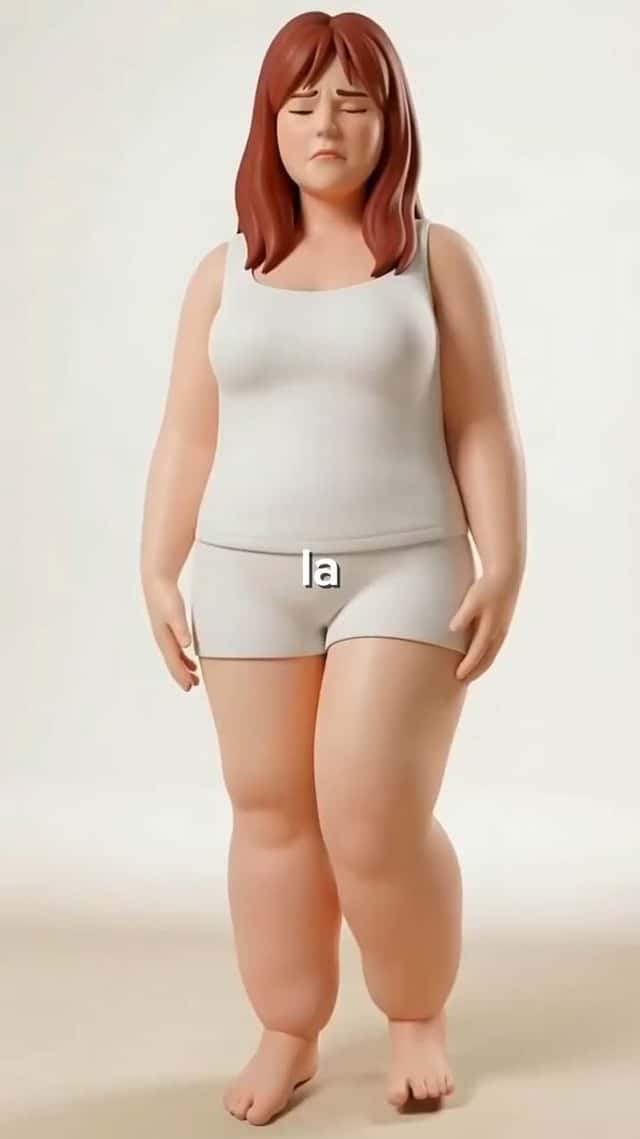 AIOpen the ad by @ZedNilm1Talking object / mascot
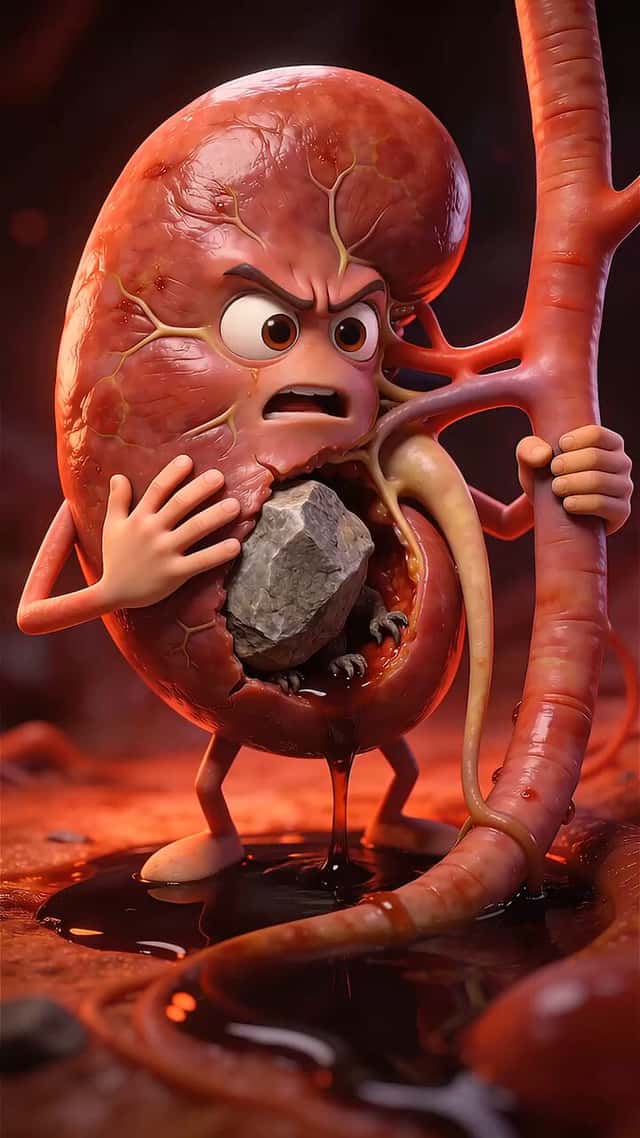 AIOpen the ad by @FedotOff90Talking object / mascot
 AIOpen the ad by @ZedNilm1Talking object / mascot
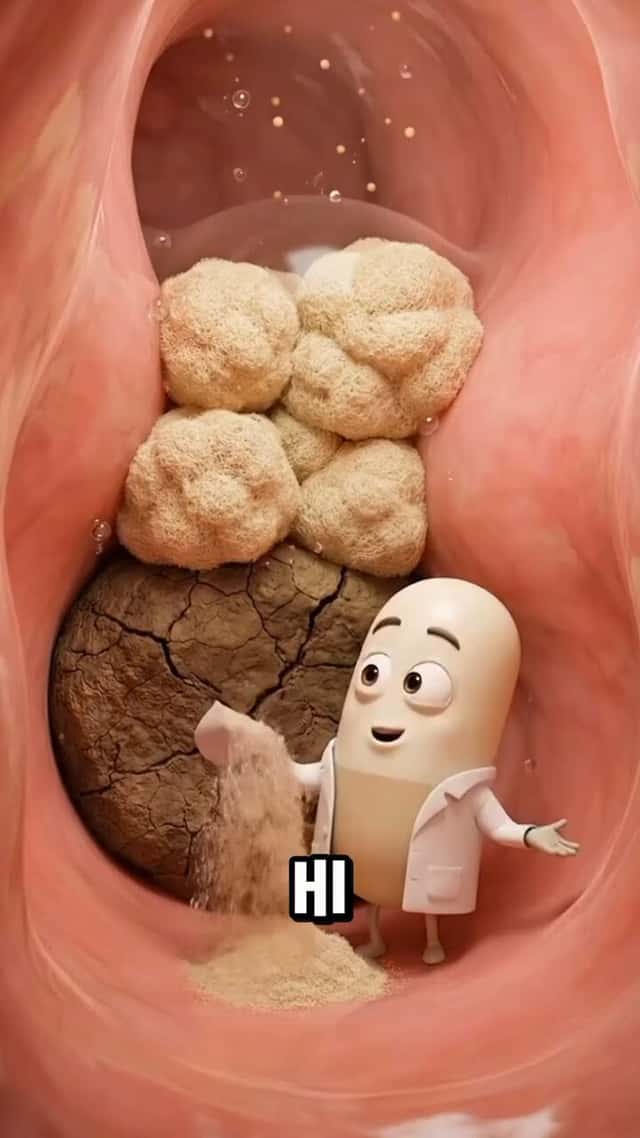 AIOpen the ad by @willconnell246Talking object / mascot
 AIOpen the ad by @victorydchairTalking object / mascot
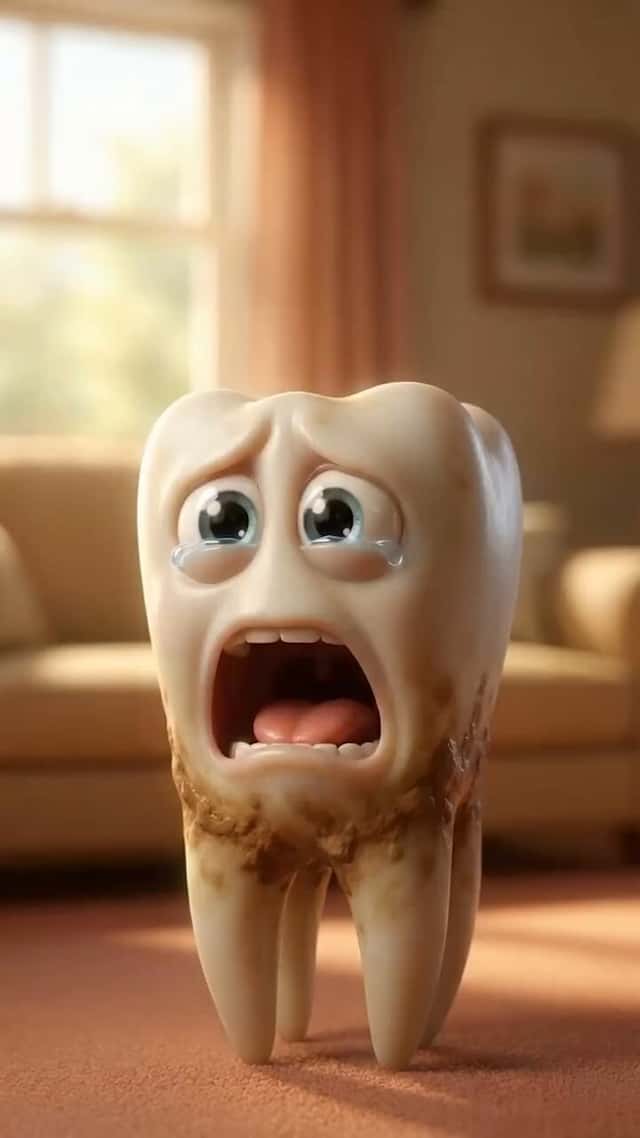 AIOpen the ad by @HenryCrochemoreTalking object / mascot
What a talking object ad looks like
An object gets a face and limbs and talks. The examples here include snack bags, a pill, a water droplet, a garlic bulb and a germ-like creature, many filmed in macro close-up or inside the body, with speech shown as caption bubbles.
Most are vertical. The object sits at the centre of the frame, close to the lens, so its face is readable on a phone screen.
Choose what talks
The object you give a voice decides the angle of the whole ad.
| Who talks | Script angle | Example opening line |
|---|---|---|
| The product | "Here is what I do and what is inside me" | The pack introduces itself and its ingredients |
| An ingredient | One reason to believe, explained in first person | The ingredient says where it comes from |
| The problem | The villain explains what it does to you | The germ brags about where it hides |
| An everyday object | A comic rival or sidekick to the product | An old sponge complains it is being replaced |
Why brands use mascots
A character can say things about a problem that would sound blunt from a person, and an animated object can show the inside of a body, a pipe or a fabric where a camera cannot go.
A mascot is also repeatable. Once the character exists, the same face can carry many scripts and hooks.
Beat list
- The character's face fills the frame and it speaks the hook in first person.
- It shows where it lives or what it does, with a macro or inside-the-body cutaway.
- The conflict: the product meets the problem, or the problem meets the product.
- The result is shown on the character (it shrinks, runs, celebrates, gives up).
- A real pack shot or product-in-use shot, so the viewer knows what to buy.
- The character returns for one closing line and the offer.
Writing lines for an object
Write the mascot as a person with one clear motive: to be chosen, to stay hidden, or to win. Every line should come from that motive.
Keep sentences short and spoken. Caption bubbles get long fast, so plan for one bubble per line and no more than about two lines on screen at a time.
Avoid jokes that need the viewer to know the product already. A cold viewer has to understand who is speaking within the first line.
Frame, length and sound
Make the master in 9:16 and keep the face inside the centre square so a 4:5 or 1:1 crop still works. Macro shots look best with a shallow focus and a plain background behind the character.
Use one consistent character voice, light sound effects for movement, and music low under the dialogue.
Building the mascot with AI
- Sketch the character in words: object, face style, eye shape, limbs, colours. Generate stills until one is right.
- Lock that still as the character reference and generate each shot with image-to-video, one action per shot.
- Create the voice, then lip-sync it to the speaking shots. Mouths on objects lip-sync more cleanly when the mouth is large and simple.
- Generate the setting shots (macro, inside the body, kitchen counter) separately and cut between them.
Guides for the models people use for this: Kling for ads and Seedance for ads.
Compliance checks
- A pill, supplement or body-part character is still making the brand's claims. Keep lines inside what the brand can support and check the platform's health rules.
- Do not base a mascot on another company's character or a known cartoon.
- Inside-the-body scenes should not show graphic or shocking imagery.
- Follow each platform's AI labelling rules: see AI ad labels on Meta and TikTok.
One script, a mascot version
To move a tested script into this format, keep the hook and the angle, and change who says it. A customer's "I had this problem" becomes the problem saying "I was in your kitchen sink". The ad hooks guide helps when the first line needs rewriting for a non-human speaker, and one winning script made in every format covers the full method.
Who this is for
- Independent AI creators and editors. You make the ads yourself. You know your work performs, so you'd rather be paid on what it does than on a flat fee.
- AI agencies and studios. You run a team of editors. You write the brief, your team makes the versions, and you're paid on performance because you know your team's ads scale.
Not for you if
- You only want a flat fee.
- You're new to editing and not yet confident your ads will perform.
- You want every shot spelled out for you.
- You make one style and won't try others.
FAQ
What is a talking object ad?
It is an ad where an object, such as the product, an ingredient or the problem itself, is animated with a face and a voice and speaks the script, usually in first person.
Should the product or the problem be the mascot?
Either can work. A talking problem (a germ, a stain, a craving) suits scripts that open on pain; a talking product suits scripts that explain what is inside and how to use it.
How do I make an AI mascot look the same in every shot?
Design one reference image of the character, approve it, and use it in every image-to-video generation. Fix its colours, eye shape and limb style in the prompt and do not change them between shots.
Can a mascot make health claims?
A cartoon character is held to the same claims rules as a person. If the product is in a health category, keep the mascot's lines within the claims the brand can support and check the platform's rules.
What voice should a mascot have?
Pick one voice that matches the character's role and keep it for every version. A problem character can sound sly or grumpy; a product character usually sounds friendly and direct.