
These are public examples of AI ads from creators on X. They were not made on or for Anglr. Click any ad to see the original post.
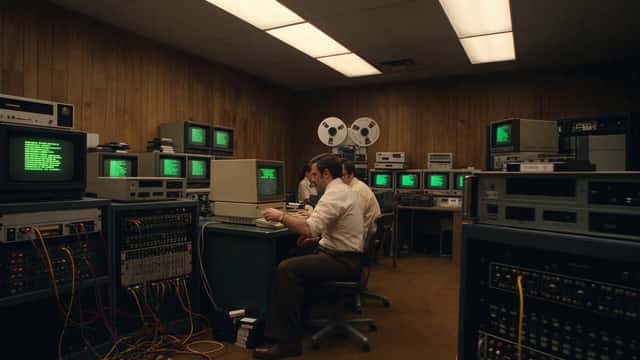 AIOpen the ad by @SeharShinwariComedy skit
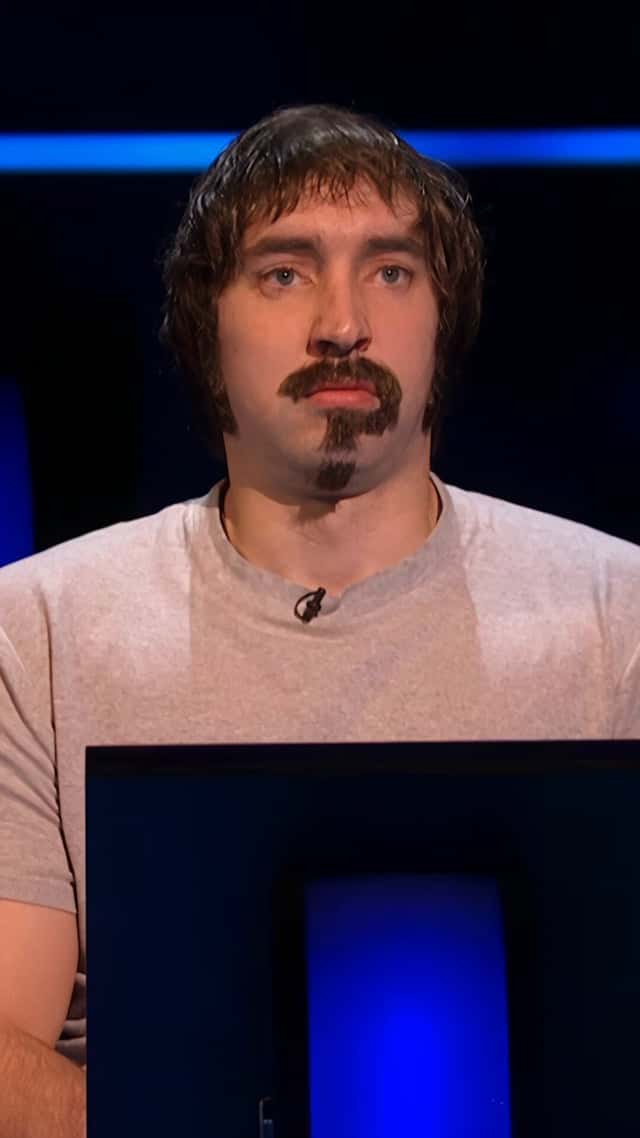 AIOpen the ad by @DavidRunsAdsComedy skit
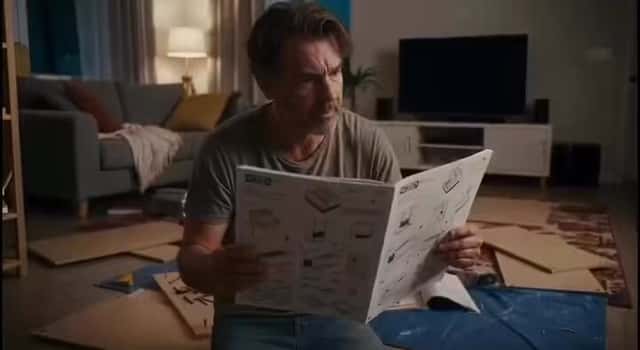 AIOpen the ad by @venturetwinsComedy skit
 AIOpen the ad by @CuriousRefugeComedy skit
 AIOpen the ad by @AmControoComedy skit
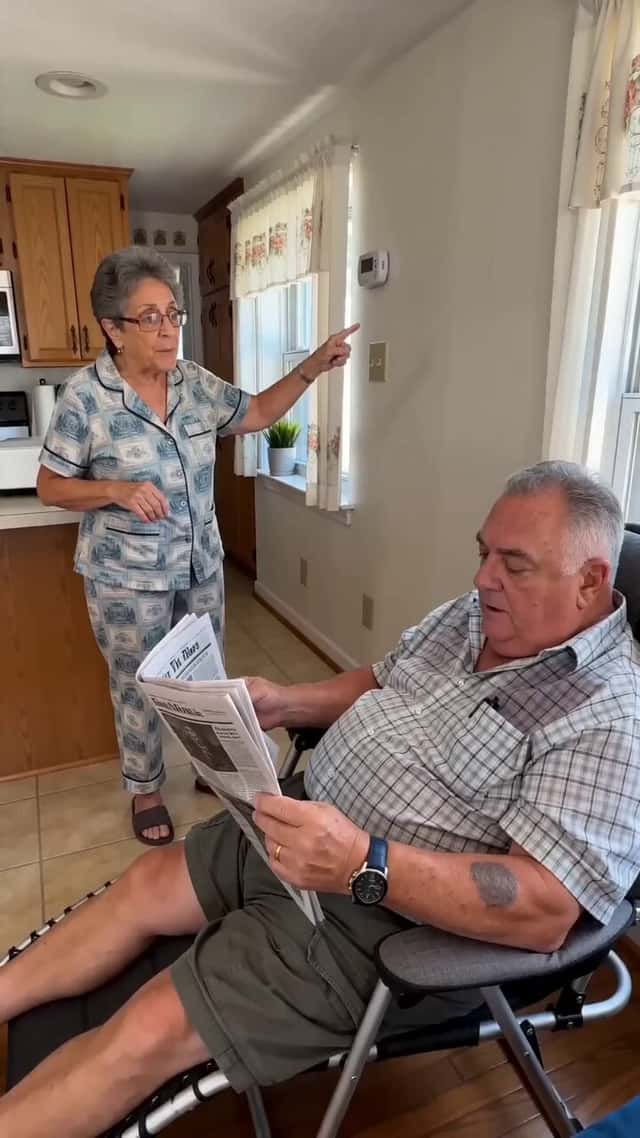 AIOpen the ad by @0xROASComedy skit
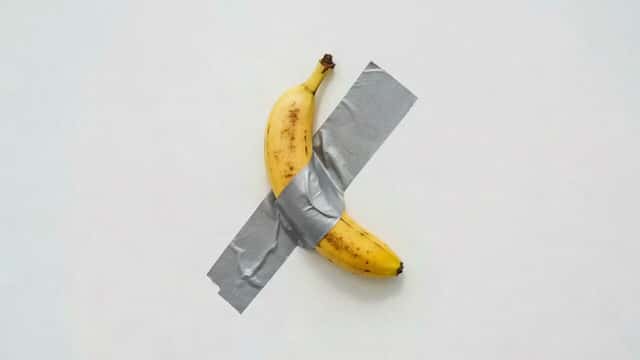 AIOpen the ad by @thedorbrothersComedy skit
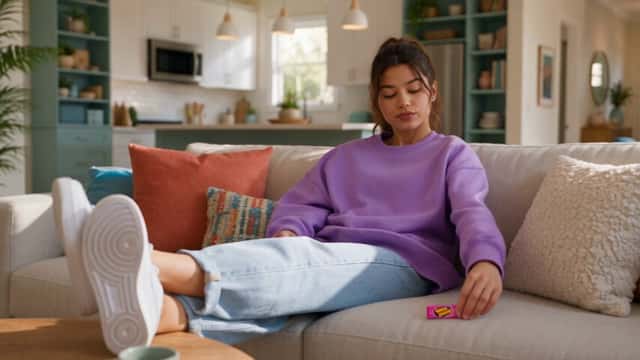 AIOpen the ad by @AmControoComedy skit
What AI comedy skit ads look like
These are staged scenes with characters and a setup, filmed like a short sketch. The examples include an office full of old computers, a man reading a very long instruction sheet, a couple on a sofa, a banana taped to a wall, and an island seen from the sea.
Most are landscape, closer to a TV sketch than a phone video.
Why brands use skits
A skit lets a brand show a frustrating moment in an exaggerated way, so the viewer recognises the problem and laughs at it at the same time. The product arrives as the fix to a situation the viewer has just watched.
Skits also work as a test of an angle. If a joke about a specific pain lands, that pain is worth writing other formats around.
Setup, turn and payoff
A skit ad has three parts and each needs its own shots.
- Setup. Show the normal situation and the character's goal in one wide shot and one line. The viewer should know where they are straight away.
- Escalation. The problem gets worse in two or three quick steps. Each step is a new shot, each shorter than the last.
- Turn. A second character, or the product, enters. This is where the joke changes direction.
- Payoff. The punchline, said or shown, with a reaction shot held a beat longer than feels natural.
- Product beat. A clear shot of the product doing the job, with its name on screen or in the line.
- Tag. One short callback to the joke over the end card.
Writing jokes that sell
Start from the problem in the brief, not from a funny idea. Write down the most annoying version of the problem, then exaggerate it once more; that is the setup.
Keep dialogue short. AI lip-sync is easier to control on short lines, and short lines are funnier.
Give the product the turn or the payoff, never a line after the joke has finished.
Common problems and fixes
| Problem | Fix |
|---|---|
| The joke lands but nobody remembers the product | Move the product into the turn or the payoff shot |
| Characters change faces between shots | Use one approved reference image per character for every shot |
| Timing feels flat | Generate longer clips and cut the pauses and reactions in the edit |
| The setup takes too long | Cut to one establishing shot and one line |
| Background extras move strangely | Use simpler sets with fewer people in frame |
Frame and length
If the master is landscape, block the scene so the speaking characters sit in the centre third. That way a 9:16 crop still keeps faces and the product in frame.
Make a short cut that is only setup, payoff and product, and a longer cut with the full escalation.
Make it with AI
Build a cast sheet first: one still per character in the set, approved before any motion. Generate each shot from those stills with image-to-video, one action per shot, then generate dialogue and lip-sync only the speaking shots.
Sound does a lot in comedy. Add room tone, a few effects for the gags, and leave silence before the punchline. Model notes are in Veo 3 for ads, Runway for ads and Kling for ads.
Compliance checks
- No real celebrities, public figures or recognisable characters from films and shows.
- The joke must not mock a group of people or a medical condition.
- Exaggeration is fine for the problem; the product's result must still be a claim the brand can support.
- Label AI content where the platform asks for it: AI ad labels on Meta and TikTok.
Turning a winning script into a skit
A tested script already has the hook and the angle. The skit version acts the hook out instead of saying it: the problem line becomes the setup, the reason to believe becomes the turn. Use the ad hooks guide to check the first shot, and see one winning script made in every format for the other versions of the same script.
Who this is for
- Independent AI creators and editors. You make the ads yourself. You know your work performs, so you'd rather be paid on what it does than on a flat fee.
- AI agencies and studios. You run a team of editors. You write the brief, your team makes the versions, and you're paid on performance because you know your team's ads scale.
Not for you if
- You only want a flat fee.
- You're new to editing and not yet confident your ads will perform.
- You want every shot spelled out for you.
- You make one style and won't try others.
FAQ
What makes a comedy skit work as an ad?
The joke has to be about the problem the product solves. If the punchline would still work with a different product, the skit is entertainment, not an ad.
How long should an AI comedy skit ad be?
As long as the setup and payoff need and no longer. Cut every line that does not move toward the punchline, then check the product is on screen before the viewer can leave.
Can AI tools do comic timing?
Timing mostly comes from the edit. Generate each shot a little longer than needed, then cut reactions and pauses by hand in the editor.
Should a skit ad be vertical or landscape?
The examples here are mostly landscape, which suits wide staged scenes. For TikTok, Reels and Shorts, frame the master so the main characters fit a vertical crop, or block the scene vertically from the start.
Can I parody a famous film or a celebrity in a skit ad?
Do not use real people's likeness or voice, and do not copy scenes, characters or lines from films or shows. Write your own setting and characters.