
These are public examples of AI ads from creators on X. They were not made on or for Anglr. Click any ad to see the original post.
 AIOpen the ad by @thisismariaa25Song / music video ad
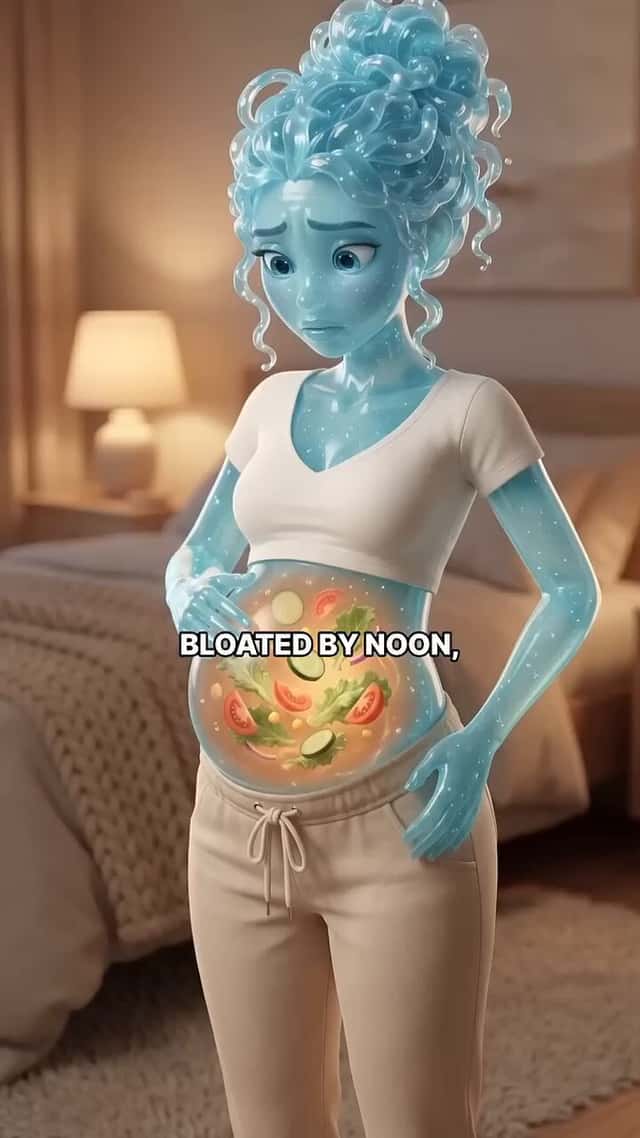 AIOpen the ad by @lifemaximisedSong / music video ad
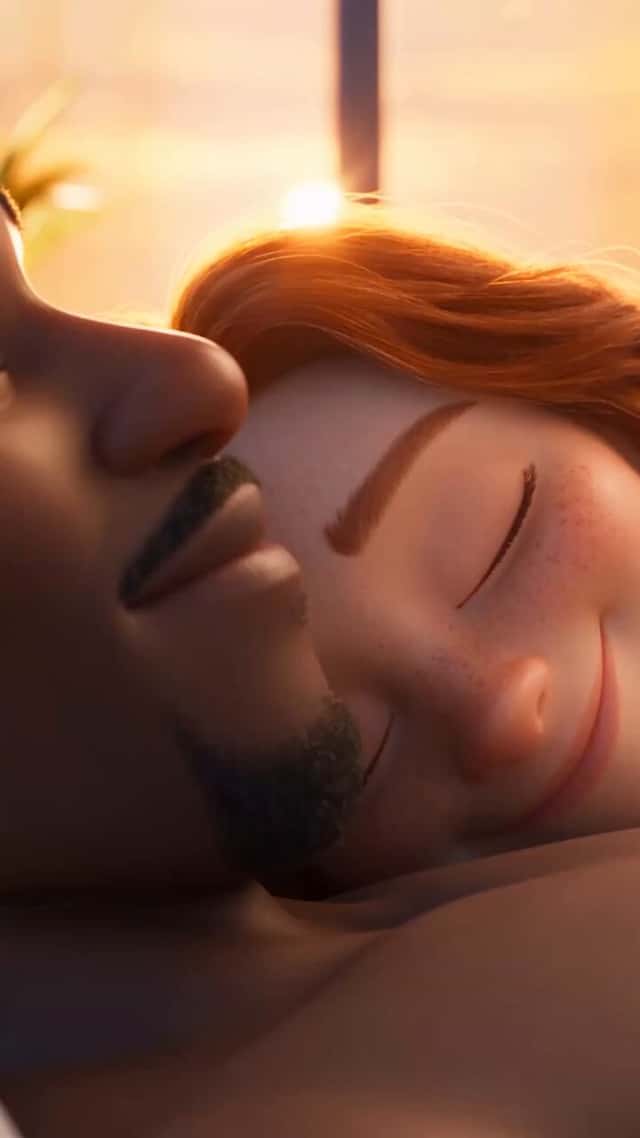 AIOpen the ad by @adswithcamiSong / music video ad
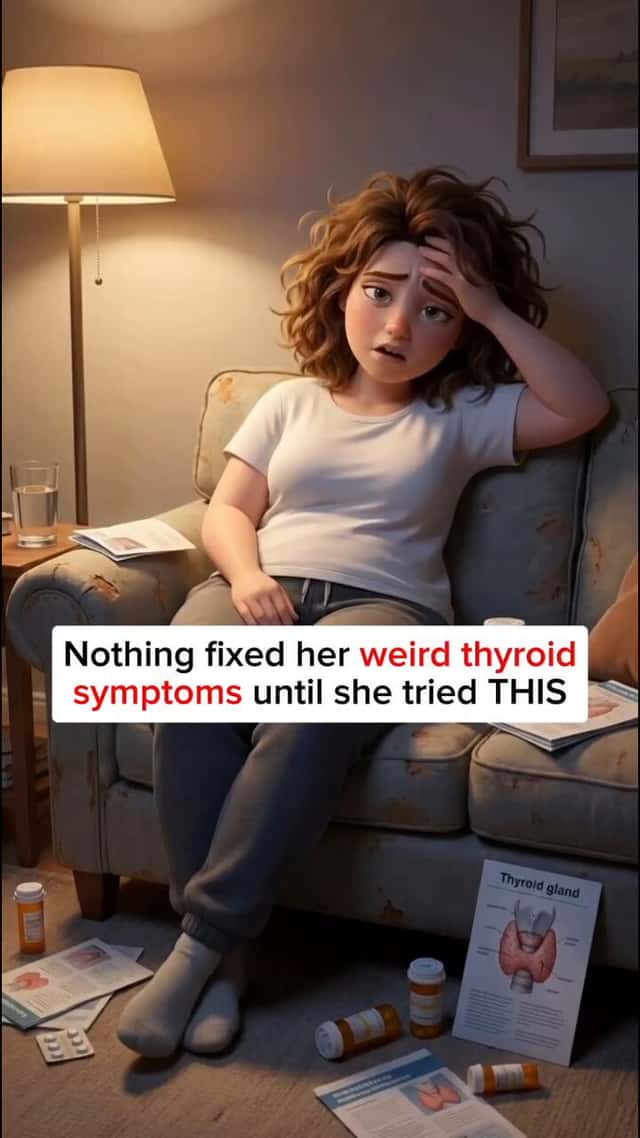 AIOpen the ad by @AducateSong / music video ad
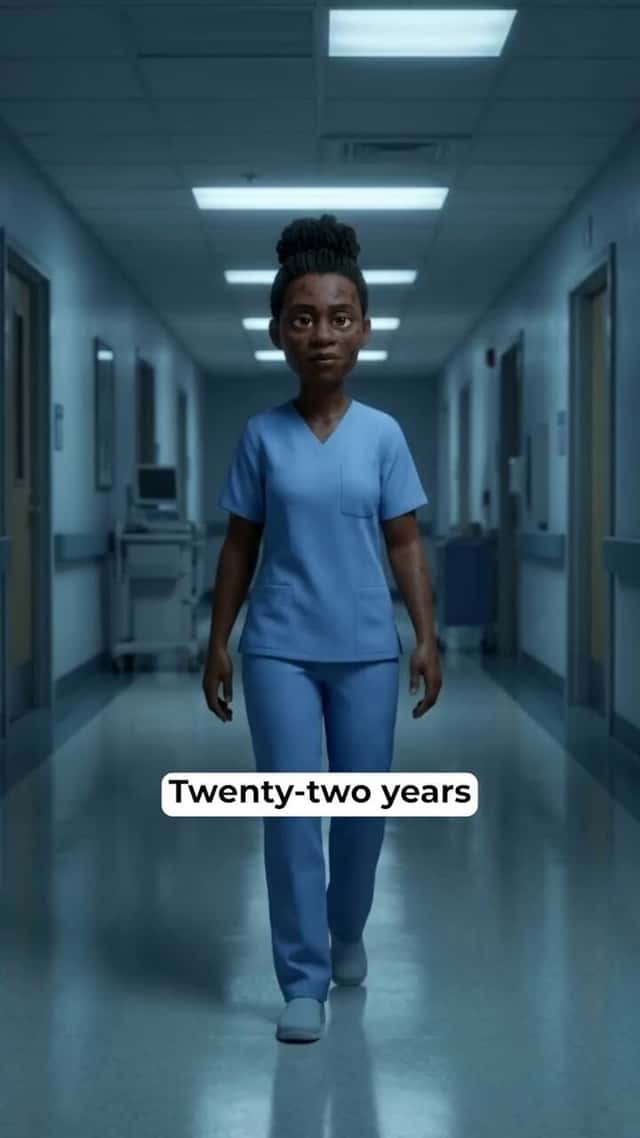 AIOpen the ad by @ecombreakerSong / music video ad
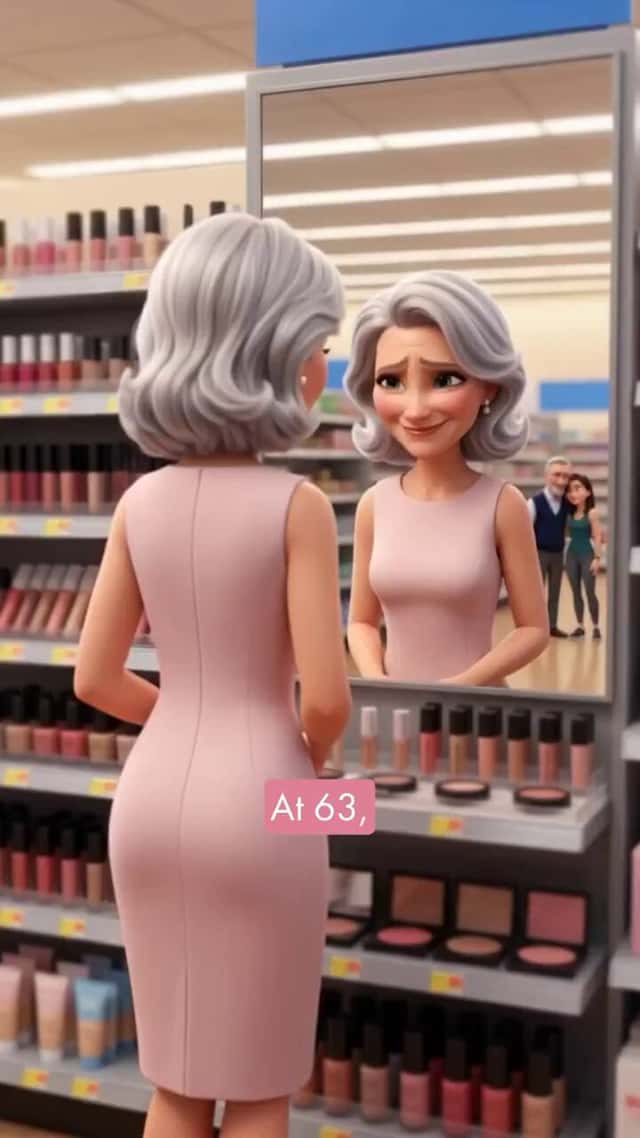 AIOpen the ad by @EcomSapoSong / music video ad
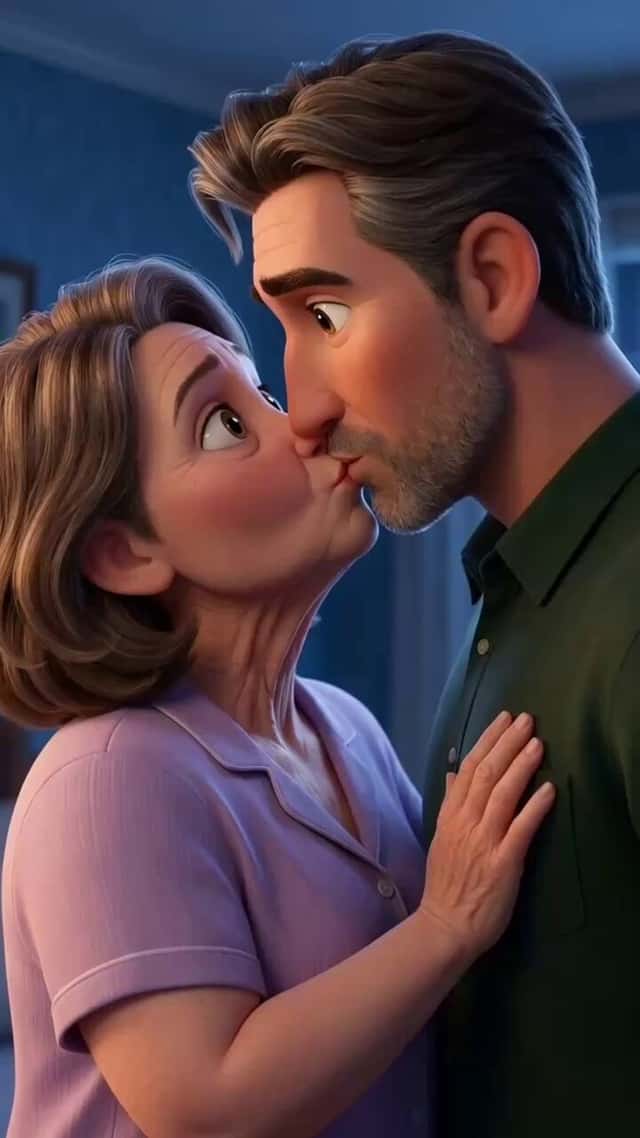 AIOpen the ad by @LachezarVoynovSong / music video ad
- AIOpen the ad by @Ecombos_AiSong / music video ad
What AI music video ads look like
The scenes are cut to music and the words appear as lyric-style captions. The examples here include 3D-animated or stylised scenes: a sky of clouds, a glass-skinned animated character, couples, a nurse in a corridor, a supermarket aisle.
Most are vertical. Lengths vary widely, and several run much longer than a typical spoken ad because a song has verses and repeats.
Why brands use a song
A melody repeats in a way spoken lines do not, so the product name or the main promise can be said several times without sounding like a hard sell. The chorus also gives the ad one line that is easy to remember and repeat.
A song lets one script take on a mood, such as warm, funny or epic, that a spoken read cannot always carry.
Map the script to song sections
Treat the song as the script's structure.
| Song section | Script part | What the picture shows |
|---|---|---|
| Intro (a few bars) | The hook, as a visual | One striking image, no lyrics yet |
| Verse 1 | The problem | The character in the problem situation |
| Pre-chorus | The turn | The product enters |
| Chorus | The promise and the product name | Product in use, repeated motif |
| Verse 2 | Reasons to believe or a second scene | New setting, same character |
| Final chorus and outro | The offer | Pack shot and end card on the last beat |
For a shorter cut, use only intro, verse 1 and one chorus.
Writing lyrics that carry the script
Write the chorus first. It should contain the product name and one plain promise the brand can support, in words a viewer can sing back after one listen.
Verses tell the story in concrete images, one per line, because each line becomes a shot. Avoid abstract lines with nothing to show.
Keep the rhyme simple and the syllables even. Lyrics that are hard to sing come out slurred in generated vocals.
Cutting picture to music
- Approve the final track and mark every section and downbeat on the timeline.
- List one shot per lyric line, plus cutaways for instrumental bars.
- Generate shots slightly longer than their slot.
- Cut on the beat, and change scenes at section changes.
- Add lyric captions timed to the vocal, with the chorus styled differently so it stands out.
- Land the pack shot on the final beat.
Ratio and length
Make the master in 9:16. Generate scenes with the subject centred so a 1:1 or 4:5 crop also works.
Plan two edits from the start: a full song version and a short version built from the intro and one chorus.
Make it with AI
The order is song, then images, then motion. Generate the track and vocals, then design the main character as one approved still and use it as the reference for every shot. Animate each shot with image-to-video and match its motion to the tempo; only lip-sync shots where the character is visibly singing.
For the video models, see Seedance for ads, Kling for ads and Runway for ads. Check each music tool's own terms on commercial use before the track goes into a paid ad.
Compliance checks
- Licensing: use an original track and confirm the music tool's terms allow commercial advertising use.
- No sound-alike vocals that imitate a specific real singer, and no copied melodies or lyrics.
- Lyrics are claims. A sung promise is held to the same rules as a spoken one.
- Label AI content where required: AI ad labels on Meta and TikTok.
A song version of a winning script
The song version keeps the tested hook and angle and turns them into a chorus. The rest of the script becomes verses. That makes it one of the furthest moves from a spoken UGC read, and a good test of whether the angle works without a presenter. The method behind it is in one winning script made in every format.
Who this is for
- Independent AI creators and editors. You make the ads yourself. You know your work performs, so you'd rather be paid on what it does than on a flat fee.
- AI agencies and studios. You run a team of editors. You write the brief, your team makes the versions, and you're paid on performance because you know your team's ads scale.
Not for you if
- You only want a flat fee.
- You're new to editing and not yet confident your ads will perform.
- You want every shot spelled out for you.
- You make one style and won't try others.
FAQ
What is an AI music video ad?
It is an ad where the message is sung rather than spoken, over a sequence of AI-generated scenes cut to the beat, often with the lyrics shown as captions.
Can I use a popular song in an AI ad?
Not without a licence for advertising use. Write and generate an original song, and do not imitate a specific artist's voice or copy a known melody or lyrics.
Should I make the song or the video first?
The song. Generate and approve the track, mark its sections and beats, then generate shots to fit those timings. Cutting picture to a fixed track is far easier than fitting a song to finished footage.
How do I keep the lyrics understandable?
Keep the key product line in the chorus, sing it clearly and more than once, and show it as a caption every time it is sung.
Is a jingle the same as a music video ad?
A jingle is a short musical phrase, usually the brand name or tagline. A music video ad runs the whole script as a song, with verses and a chorus.