
These are public examples of AI ads from creators on X. They were not made on or for Anglr. Click any ad to see the original post.
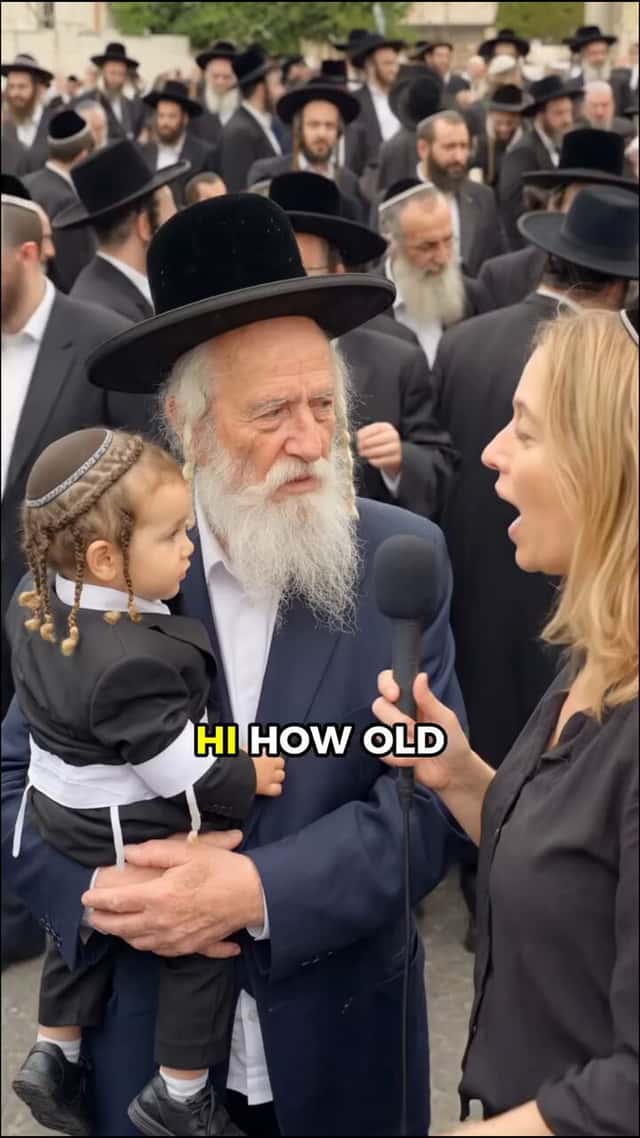 AIOpen the ad by @ZedNilm1Street interview
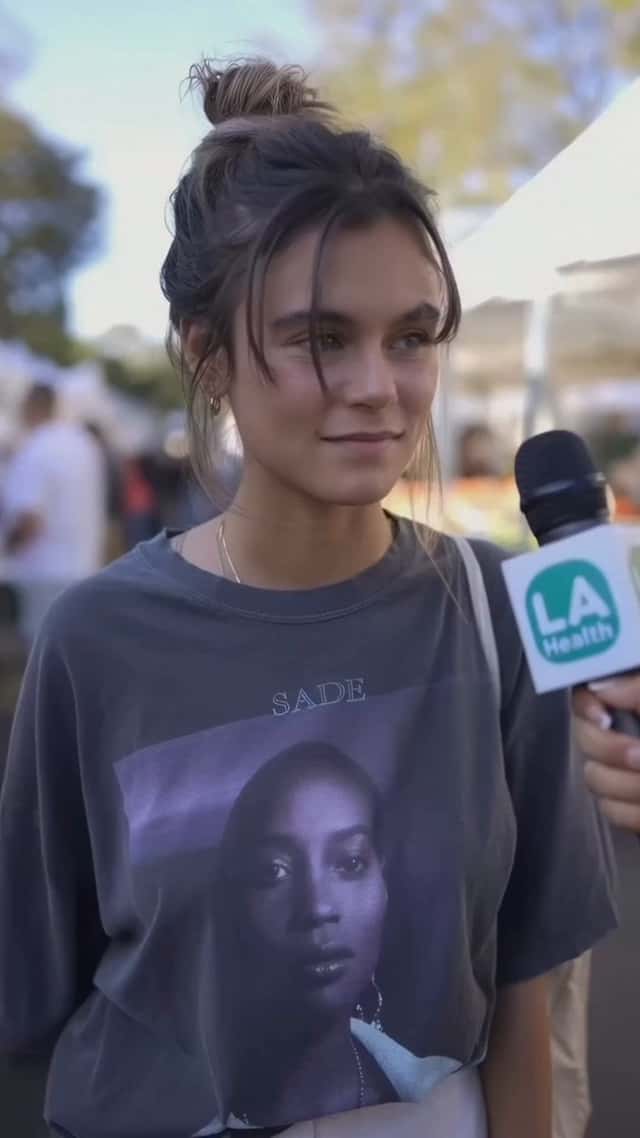 AIOpen the ad by @frankyecomStreet interview
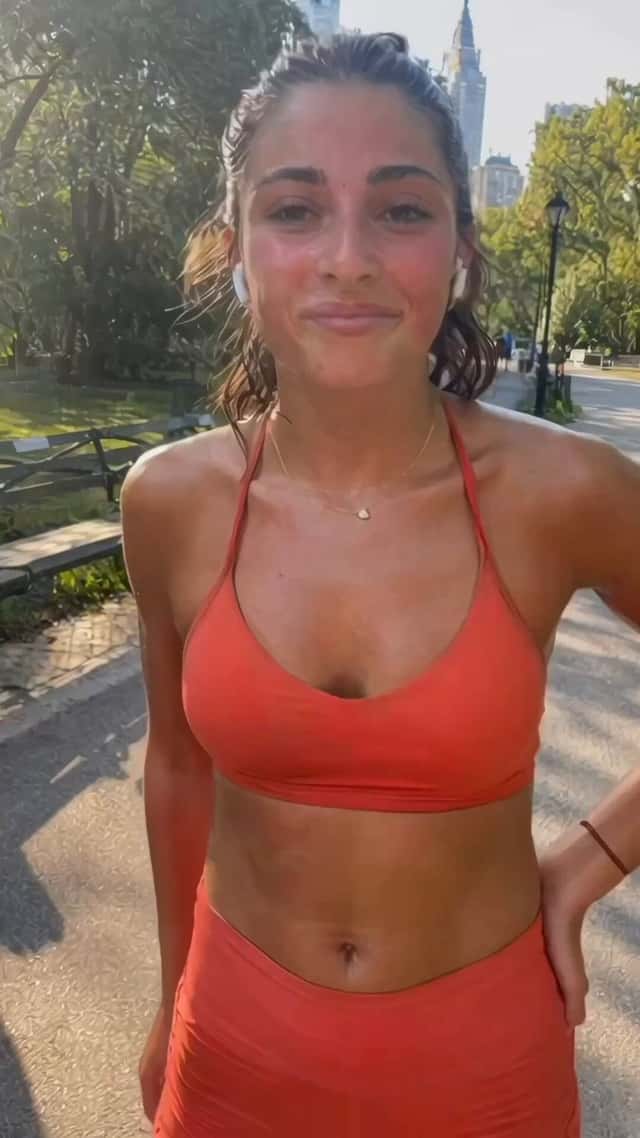 AIOpen the ad by @Mho_23Street interview
 AIOpen the ad by @mattepsteinStreet interview
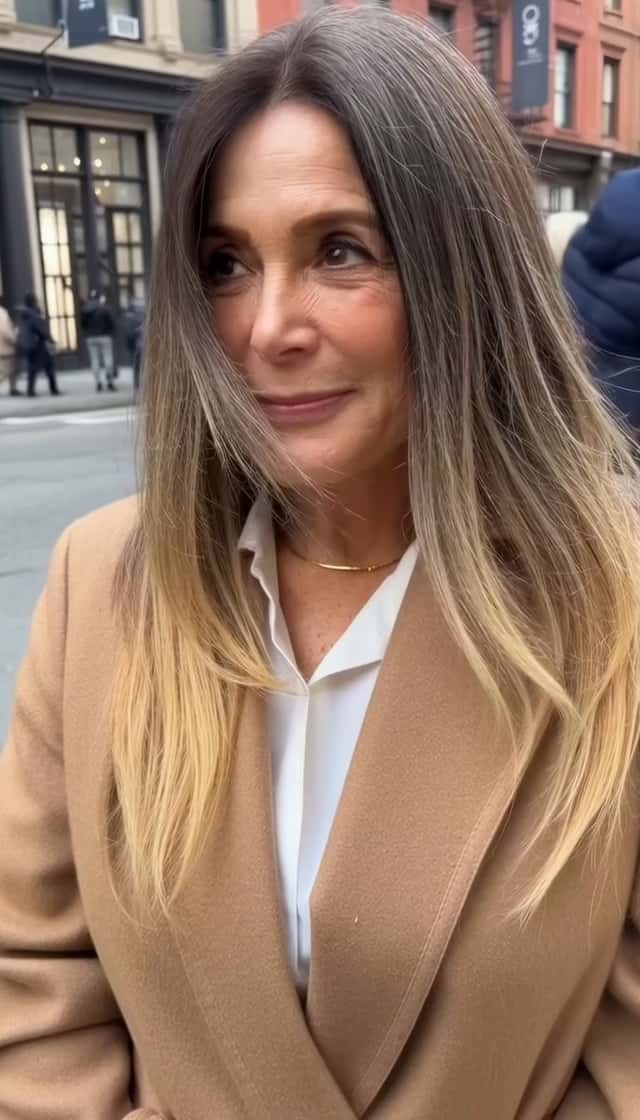 AIOpen the ad by @frankyecomStreet interview
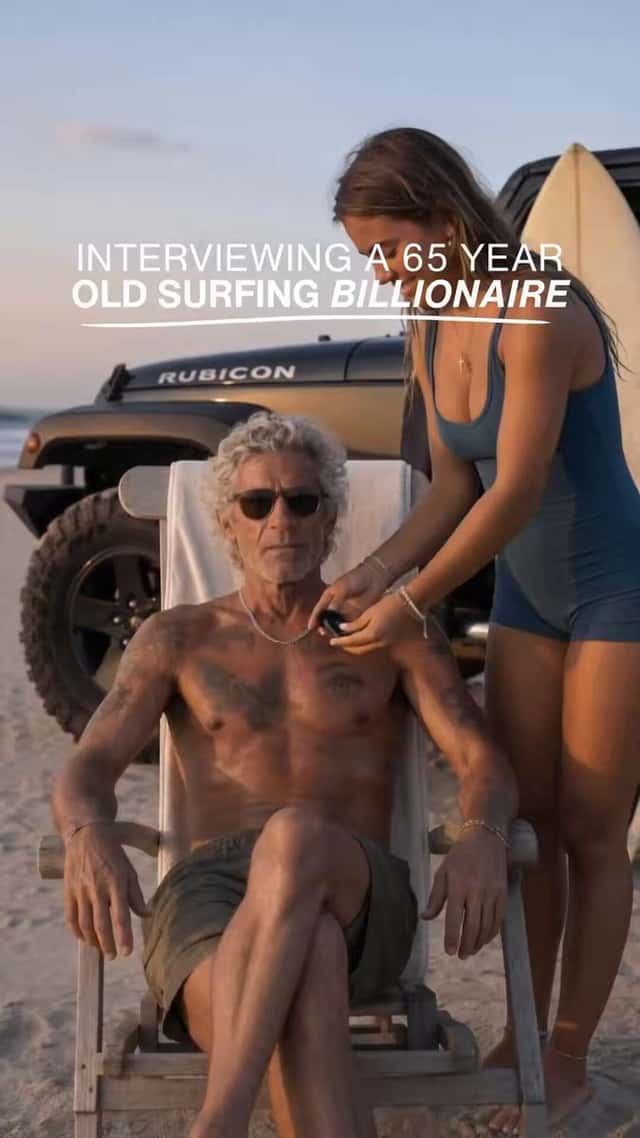 AIOpen the ad by @frankyecomStreet interview
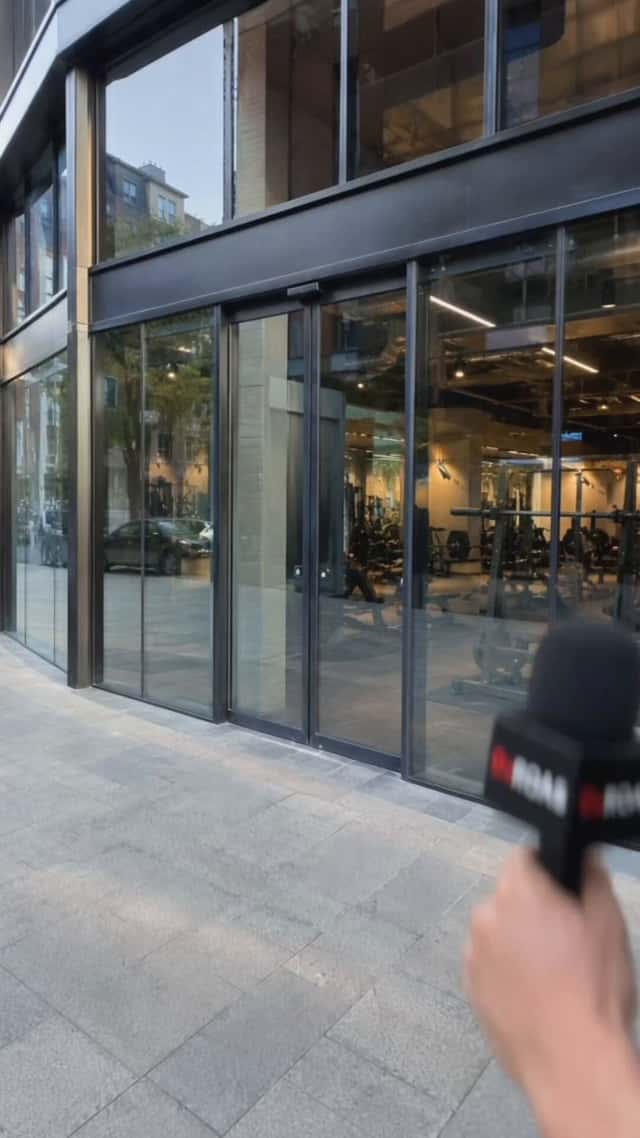 AIOpen the ad by @0xROASStreet interview
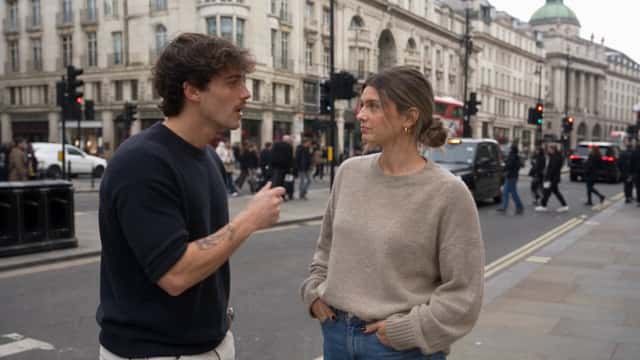 AIOpen the ad by @wiliam_web3Street interview
What an AI street interview ad looks like
A presenter holds a handheld microphone and stops a member of the public on a city street or at an event. In the examples here the question appears as an on-screen caption, and some clips cut to a reveal shot of a product or a result.
Both vertical and landscape versions appear. The framing is a two-shot at chest height, with street life moving behind.
Why brands use the format
The question-and-answer shape makes viewers answer the question in their own heads before the person on screen does. That gives the product a reason to appear: it is the answer, or the surprise after the answer.
It also lets a script put an objection in a stranger's mouth and answer it, without a presenter selling directly.
The question-and-answer structure
- Cold open on the question, spoken by the presenter and captioned. No greeting or intro.
- The stranger's first answer: a guess, a confession, or a common belief.
- The presenter's follow-up, which narrows the question toward the product's angle.
- The reveal: the presenter shows the product, or the stranger tries it.
- The stranger's reaction, held long enough to read on their face.
- The presenter's closing line to camera, plus the offer on screen.
For a longer cut, add two or three quick answers from different people between steps 1 and 2.
Writing the question
The question is the hook, so write ten versions and pick the one a viewer could answer in one word. Specific beats general: a question about one habit or one price lands faster than a question about a whole category.
The stranger's lines should sound unscripted: short, a little hesitant, with one filler word. Write them, then cut a third of the words.
Casting the presenter and the stranger
| Role | Look for | Keep fixed across shots |
|---|---|---|
| Presenter | Casual clothes, unbranded mic, steady energy | Face, outfit, mic, hair |
| Stranger | Someone who fits the customer the brief describes | Face and outfit within each exchange |
| Background | Busy but generic street or event | Time of day and weather |
Never base the presenter or stranger on a real person.
Ratio and length
Most street interview ads run as 9:16. Keep both faces and the mic inside the vertical frame by standing the two people close together, angled toward each other.
A single exchange suits a short cut. Several answers, a reveal and a reaction suit a longer cut. Make both from the same shots.
Make it with AI
Start with stills: the presenter and the stranger together on the street, approved before any motion. Use those stills as references to animate each shot with image-to-video, so faces stay consistent through the exchange.
Write the dialogue, generate the two voices, and lip-sync them. Add street sound, a little wind on the mic, and captions for the question in the editor. Model notes are in Veo 3 for ads and Higgsfield for UGC ads.
Compliance checks
This format imitates real passers-by, so disclosure matters more here than in a studio format.
- The people are AI-generated. Do not present them as real customers, real reactions or a real survey.
- Label the ad as AI content wherever the platform requires: see AI ad labels on Meta and TikTok.
- Do not imitate a real presenter, a real show or a real news programme, including its logo or set.
- The stranger's words are still the brand's claims. Keep them within what the brand can support.
- No real businesses, signs or logos in the background other than the brand's own.
Street interview as one of many versions
A tested script maps onto this format by turning its hook into the presenter's question and its main objection into the stranger's answer. The rest of the script becomes the reveal and the close. The UGC script template helps you split a script into those parts, and one winning script made in every format shows how this version sits next to the others.
Who this is for
- Independent AI creators and editors. You make the ads yourself. You know your work performs, so you'd rather be paid on what it does than on a flat fee.
- AI agencies and studios. You run a team of editors. You write the brief, your team makes the versions, and you're paid on performance because you know your team's ads scale.
Not for you if
- You only want a flat fee.
- You're new to editing and not yet confident your ads will perform.
- You want every shot spelled out for you.
- You make one style and won't try others.
FAQ
What is an AI street interview ad?
It is a video ad in the style of a man-on-the-street clip: a presenter with a microphone asks a passer-by a question on camera. With AI, both the presenter and the person answering are generated.
Do I have to say the people in a street interview ad are AI?
The people shown are not real members of the public, so do not present them as real. Apply AI labels as each platform requires; our guide to AI ad labels on Meta and TikTok covers the rules.
What question should the interviewer ask?
One the viewer would also want to answer, linked to the problem the product solves. Quiz questions, guess-the-price questions and 'what do you do about' questions are common shapes.
How many people should be interviewed in one ad?
One full exchange is enough for a short cut. Longer cuts often show quick answers from several people before one full answer, which needs a consistent presenter across all shots.
Can the interviewer be a known creator or presenter?
Only with that person's written permission to use their likeness and voice. Otherwise generate a fictional presenter and keep them the same across every version.