
These are public examples of AI ads from creators on X. They were not made on or for Anglr. Click any ad to see the original post.
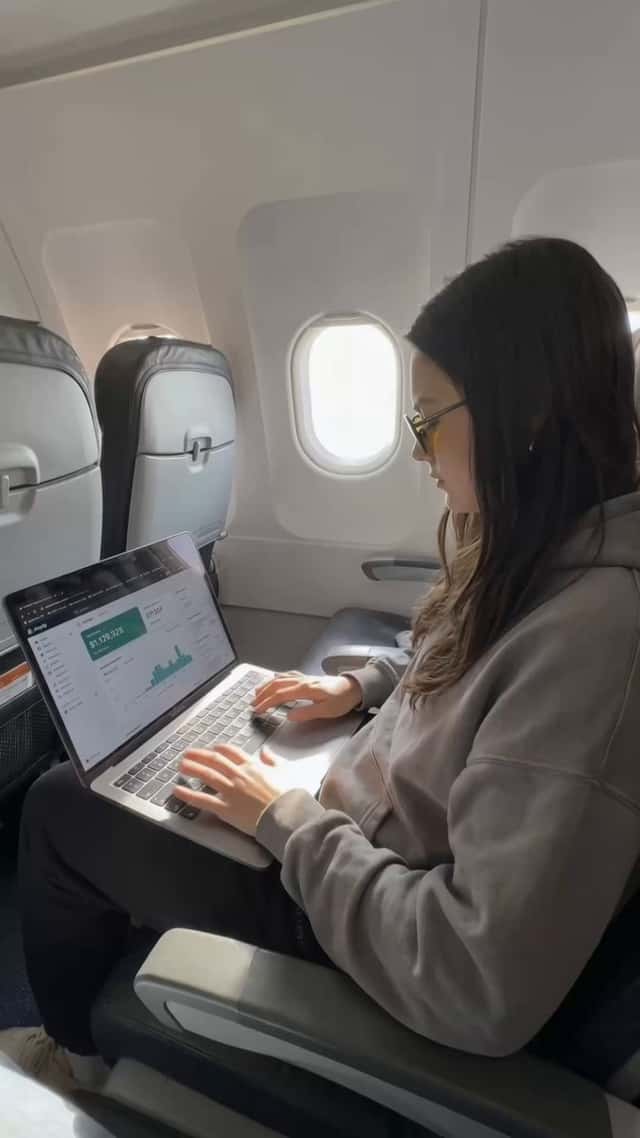 AIOpen the ad by @frankyecomExpert / doctor / founder
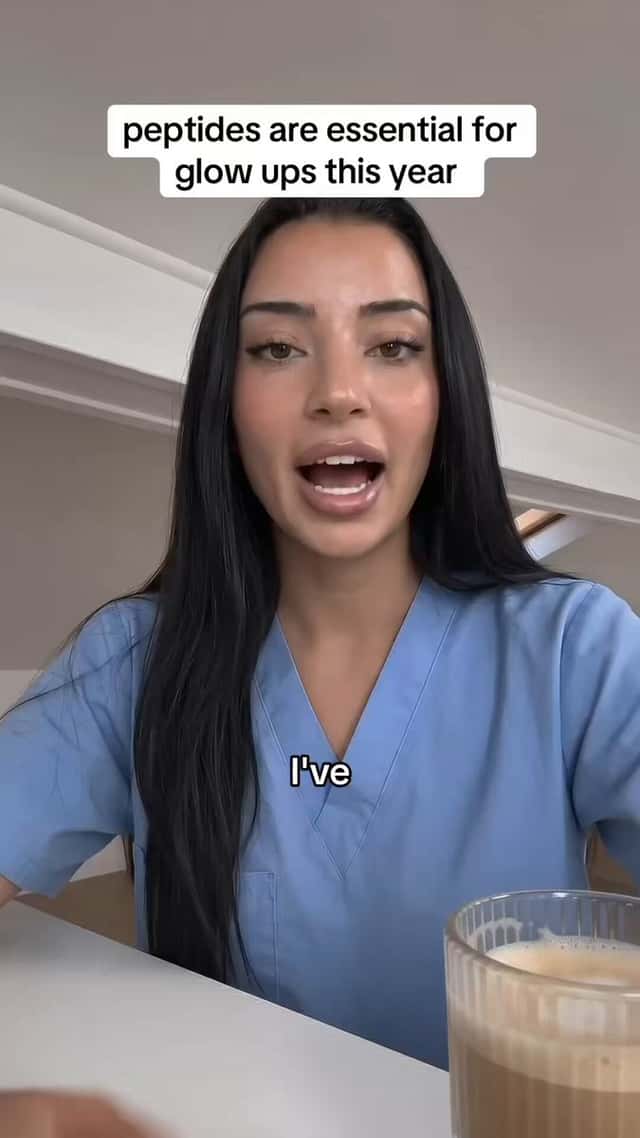 AIOpen the ad by @pounddzExpert / doctor / founder
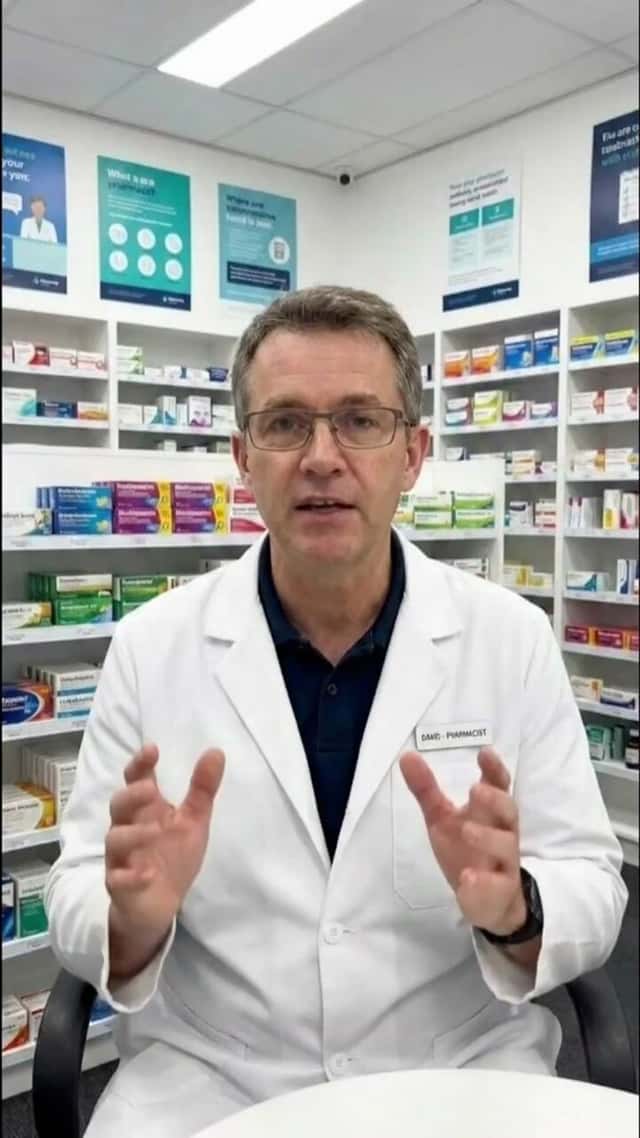 AIOpen the ad by @davidfigeiraExpert / doctor / founder
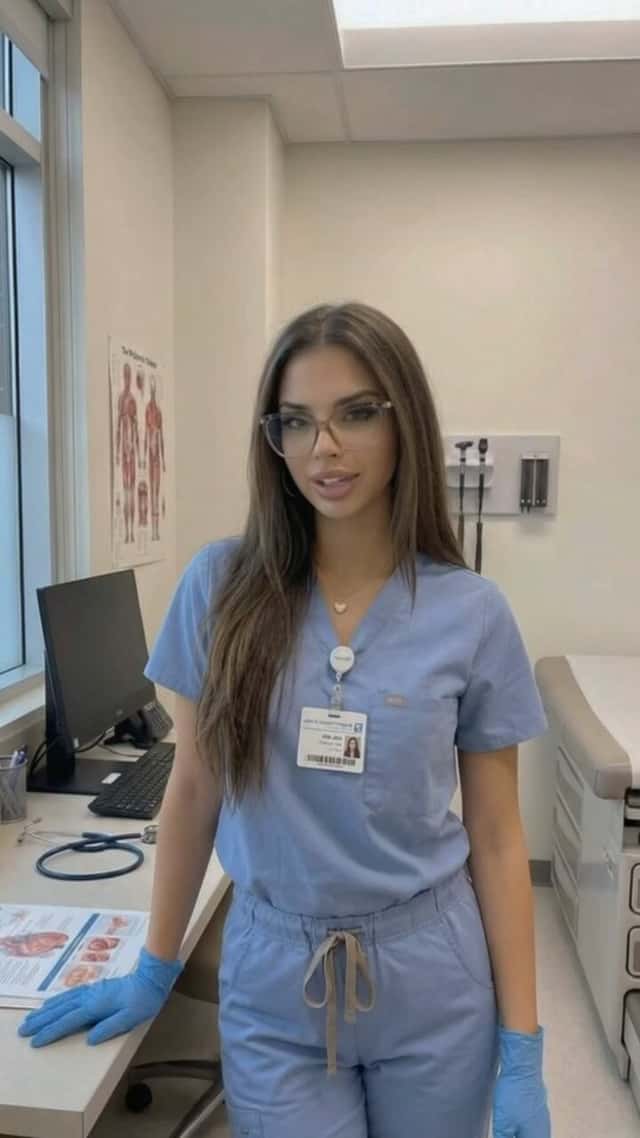 AIOpen the ad by @pounddzExpert / doctor / founder
 AIOpen the ad by @Mho_23Expert / doctor / founder
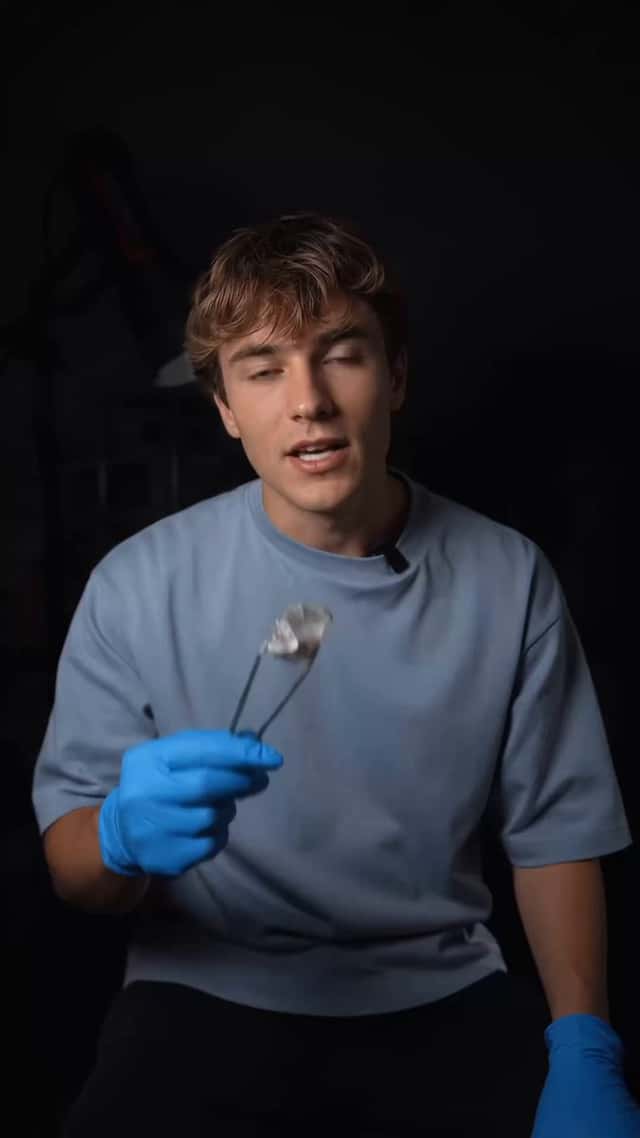 AIOpen the ad by @frankyecomExpert / doctor / founder
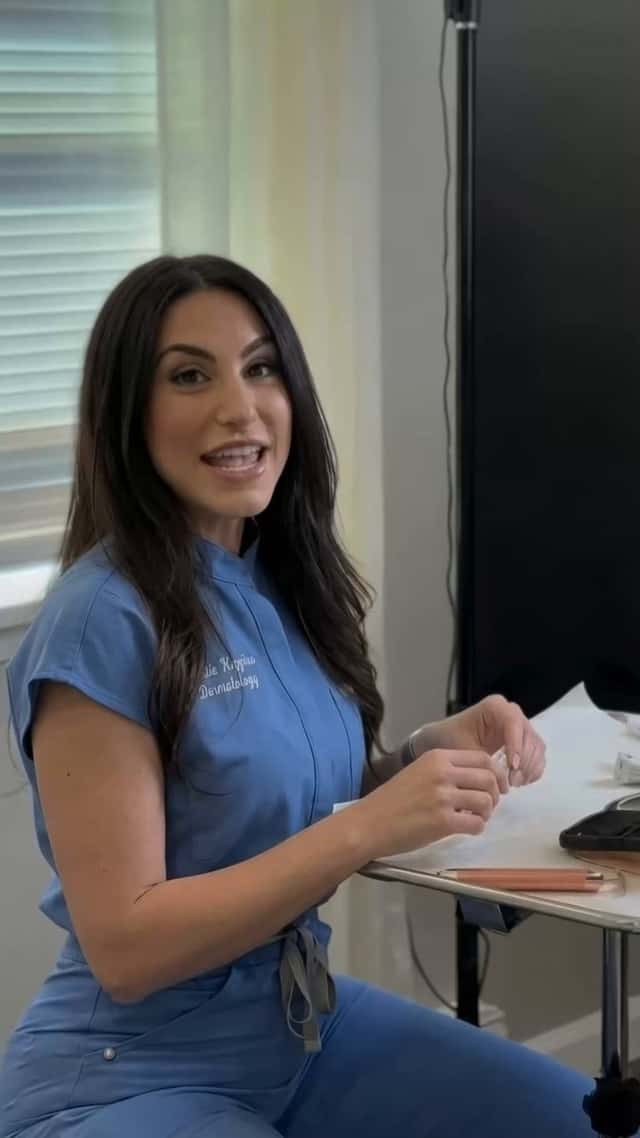 AIOpen the ad by @frankyecomExpert / doctor / founder
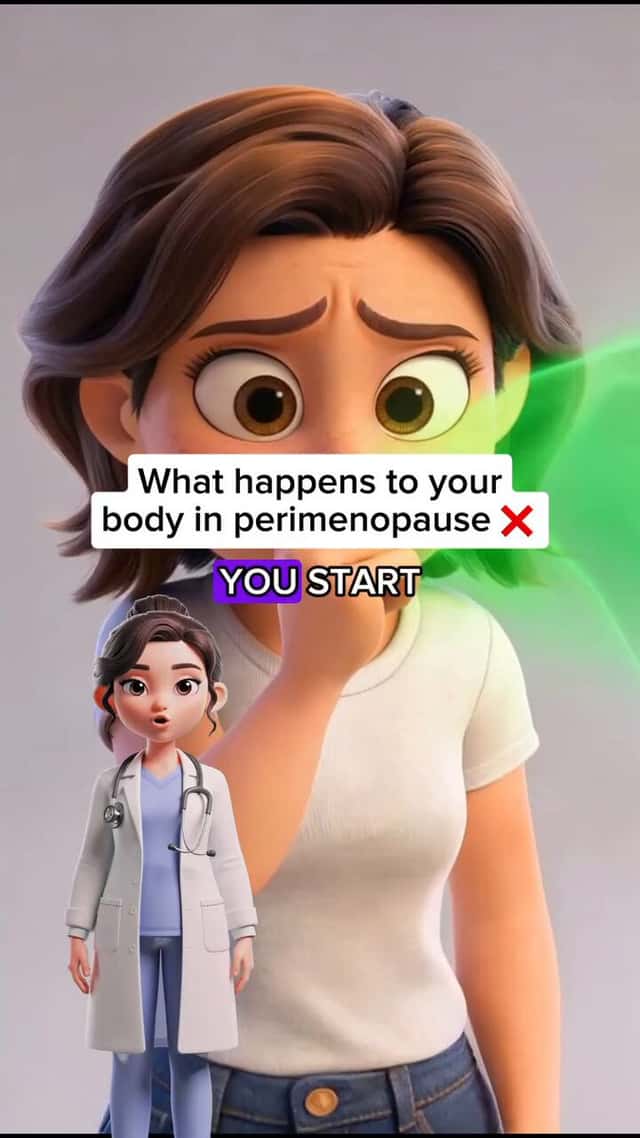 AIOpen the ad by @aaronmtrxExpert / doctor / founder
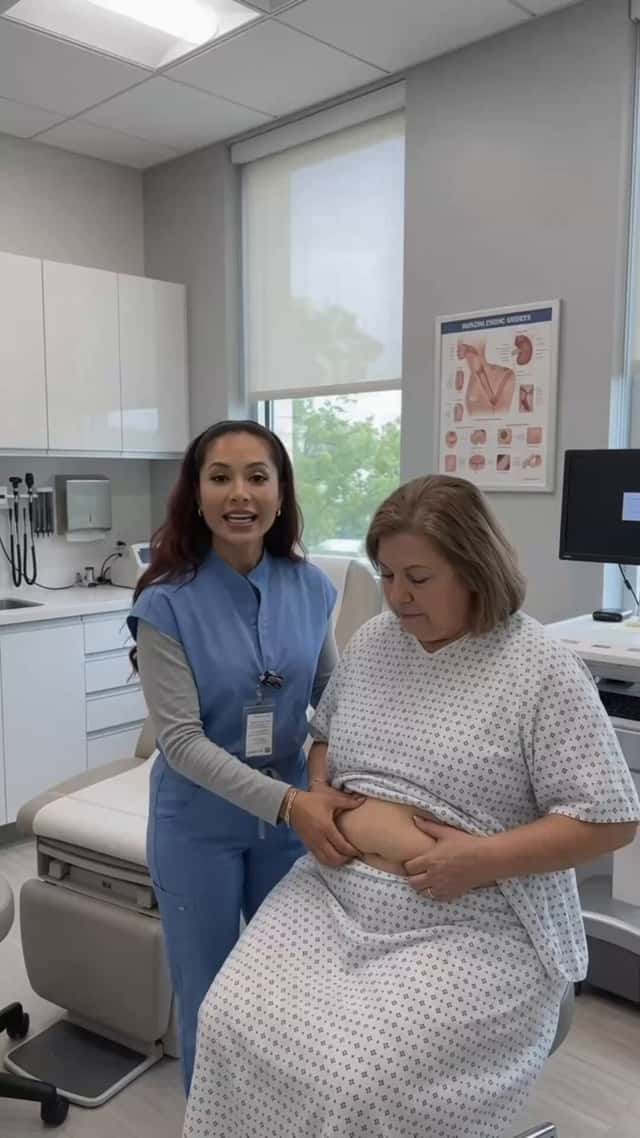 AIOpen the ad by @pounddzExpert / doctor / founder
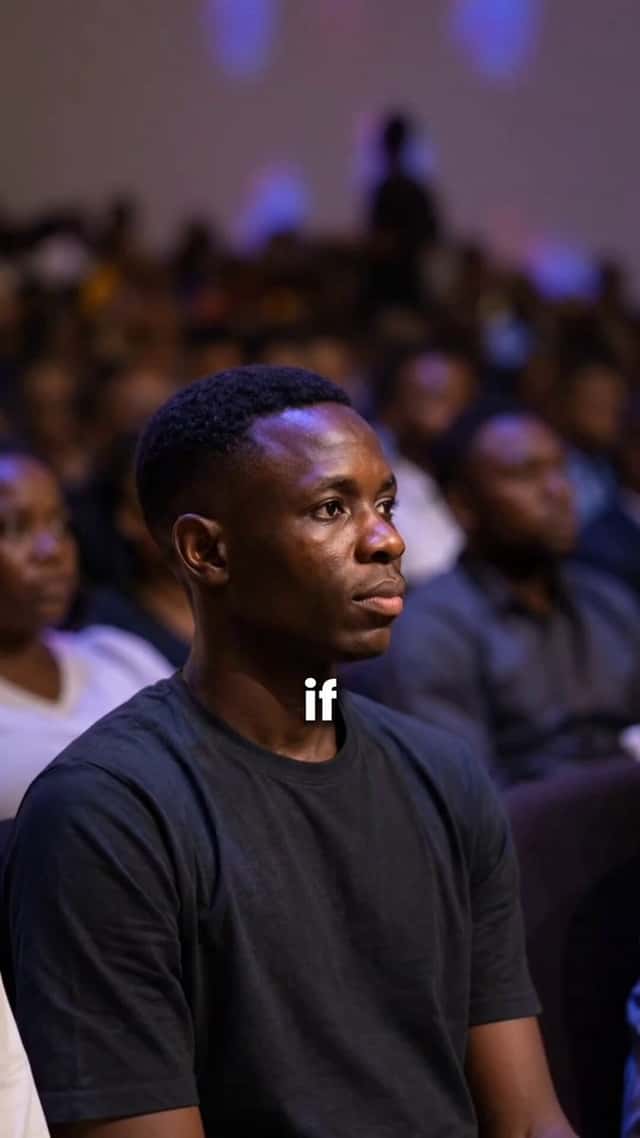 AIOpen the ad by @victorydchairExpert / doctor / founder
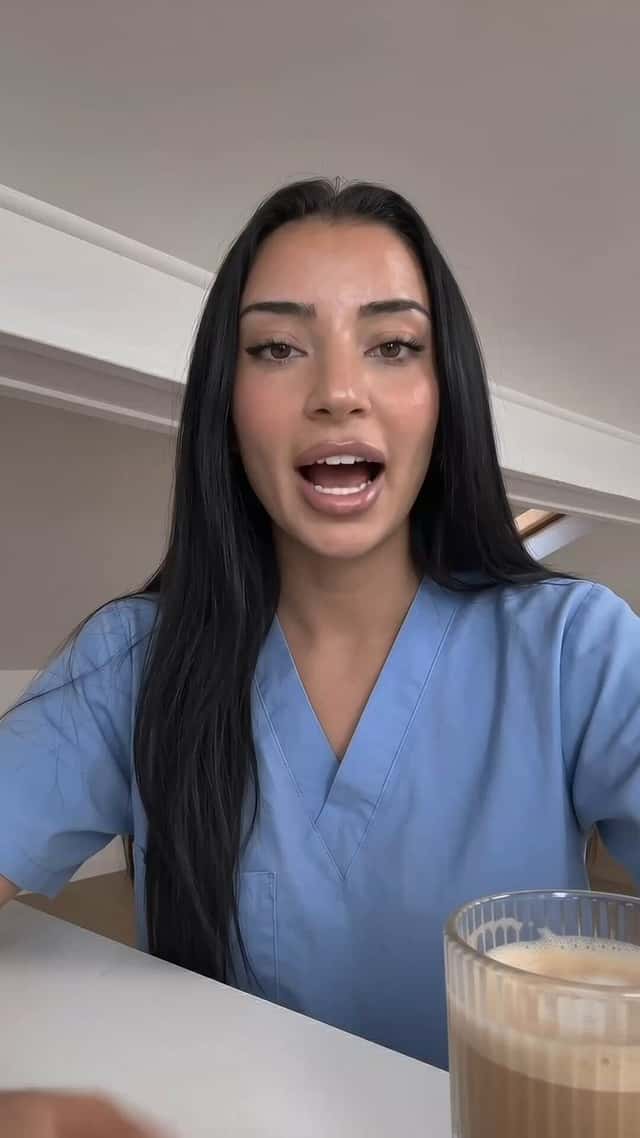 AIOpen the ad by @pounddzExpert / doctor / founder
What an AI expert ad shows
An expert ad is one person whose clothes and setting signal that they know the subject, talking to camera about a problem. In the examples here you can see people in scrubs or a white coat in a clinic or pharmacy, a person working on a laptop on a plane, a founder lit against a dark studio wall, and one 3D-animated expert character.
Some frames carry an on-screen question as the hook. All of them are vertical.
Three kinds of speaker
| Speaker | Signalled by | Script leans on |
|---|---|---|
| Clinician or specialist | Scrubs, white coat, clinic, pharmacy shelves | How a problem works and what to look for |
| Founder | Studio, workshop, laptop, travel | Why the product was made and what was changed |
| Animated expert | A stylised character in a lab or diagram set | Explaining a process without a realistic human |
The animated expert is worth testing when a realistic person in a clinical role would raise compliance questions.
Why brands run expert-style ads
People listen differently to someone who explains how a problem works than to someone who only says they like a product. The expert frame lets the script spend time on the mechanism, which suits products that need a reason to believe.
The founder version gives a brand a face and a reason the product exists, without needing a customer story.
Shot list
- Hook: a direct question or a common mistake, said to camera or shown as on-screen text over the speaker.
- Credibility shot: the setting, wardrobe and a cutaway (shelves, a workbench, a diagram), with no spoken credential.
- The explanation: why the problem happens, in two or three short lines, with one visual aid.
- The product, framed as the thing that addresses that cause.
- One objection answered (price, taste, time, how to use it).
- Close: the speaker points to the offer or the product, and the end card holds the brand name.
Script notes
Write in the speaker's voice, not in brochure copy. Short sentences, one idea per line, and words a patient or customer would use.
Let the setting carry the authority. Lines like "as a doctor" or "after twenty years in clinics" turn a fictional character into a false credential, so cut them.
Keep claims to what the brand can support in writing. If the brief does not say the product does something, the expert does not say it either.
Compliance checks
Expert formats get reviewed more closely than most, so run these before export:
- No invented names, titles, licences, degrees or institution logos on screen or in the voiceover.
- No medical, cure or guaranteed-result claims. Check the platform's health, personal attributes and claims rules for the category.
- Do not imply the character is a real, specific professional. A fictional speaker should not be presented as a testimonial from a real doctor.
- Do not use a real person's likeness or voice, including a real founder's, without written permission.
- Label AI-generated content where the platform requires it. Read AI ad labels on Meta and TikTok.
Frame and length
Shoot for 9:16 with the face in the upper half and room for captions below. A seated mid-shot with the hands visible reads more natural than a tight face crop.
Explanations need a little more time than a selfie hook, so plan a short cut and a longer cut from the same takes.
Make it with AI
Start with a still: generate the speaker in the setting, approve wardrobe and face, and reuse that image as the reference for every shot. Then animate with image-to-video, write the voiceover, and lip-sync it to the speaking shots.
Cutaways (a diagram, a product close-up, the setting) are separate image-to-video shots, which also hide any lip-sync seams. Model notes are in Higgsfield for UGC ads and Veo 3 for ads.
Where the expert version fits
When a script already works as a customer story, the expert version keeps the same hook and angle but moves the middle from "what happened to me" to "why this happens". That is one step in making one winning script in every format. The UGC script template has a column for marking which lines change between versions.
Who this is for
- Independent AI creators and editors. You make the ads yourself. You know your work performs, so you'd rather be paid on what it does than on a flat fee.
- AI agencies and studios. You run a team of editors. You write the brief, your team makes the versions, and you're paid on performance because you know your team's ads scale.
Not for you if
- You only want a flat fee.
- You're new to editing and not yet confident your ads will perform.
- You want every shot spelled out for you.
- You make one style and won't try others.
FAQ
Can an AI-generated person play a doctor in an ad?
Only with care. Do not give the character a name, title, licence or qualification that is not real, and do not let them make medical claims. Check the health and claims rules of the platform you run on before upload.
What is the difference between an expert ad and a talking-head ad?
A talking-head ad is anyone speaking to camera. An expert ad adds a role, shown through wardrobe, setting and what the speaker explains, so the script is built around knowledge rather than a personal story.
Do founder-style AI ads need the real founder's approval?
If the character is presented as a real, named founder, use their real likeness and voice only with written permission. If the founder is fictional, do not present them as the actual person behind the company.
How long should an expert ad be?
Long enough to explain one problem and one mechanism clearly. Cut a short version that keeps only the hook, the explanation and the product, and a longer version that adds the objections.
Which AI tools are used for expert ads?
Any workflow that keeps one face consistent and lip-syncs speech well. See the guides to Higgsfield for UGC ads and Veo 3 for ads.