
These are public examples of AI ads from creators on X. They were not made on or for Anglr. Click any ad to see the original post.
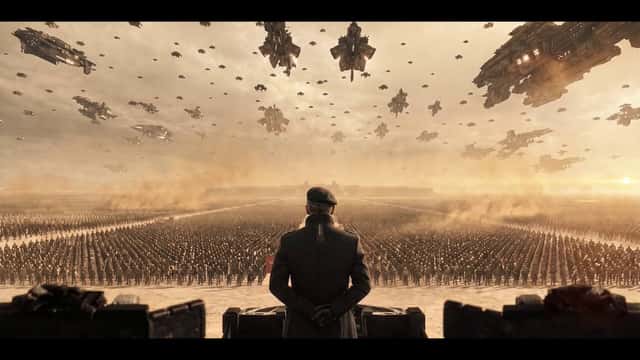 AIOpen the ad by @theProcessXCIICinematic drama
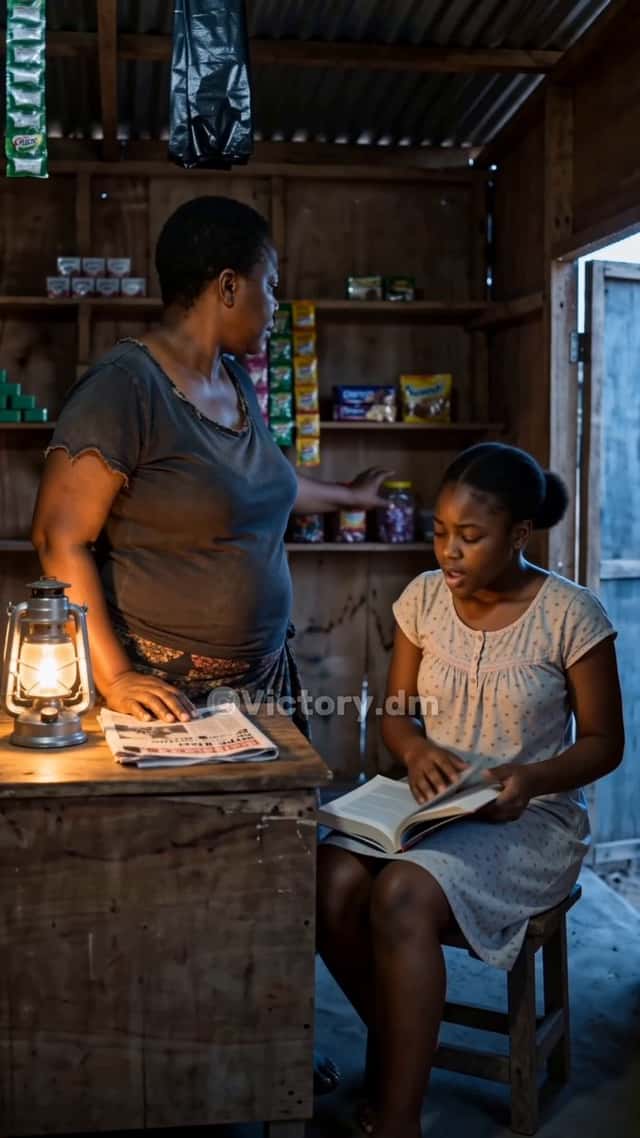 AIOpen the ad by @victorydchairCinematic drama
 AIOpen the ad by @itxabdullaaCinematic drama
 AIOpen the ad by @AmControoCinematic drama
 AIOpen the ad by @DiesolCinematic drama
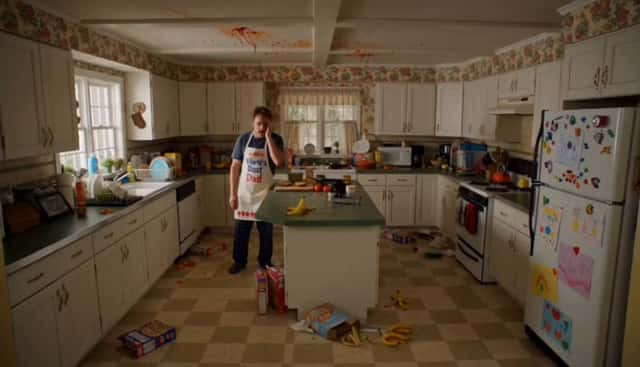 AIOpen the ad by @AmControoCinematic drama
 AIOpen the ad by @victorydchairCinematic drama
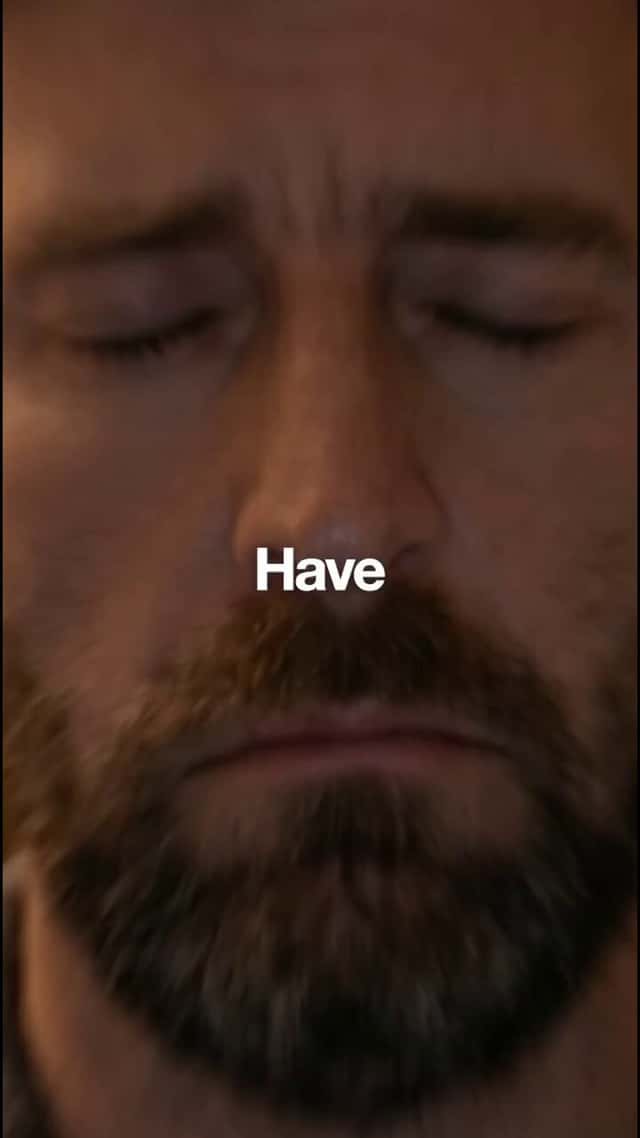 AIOpen the ad by @maxxmalistCinematic drama
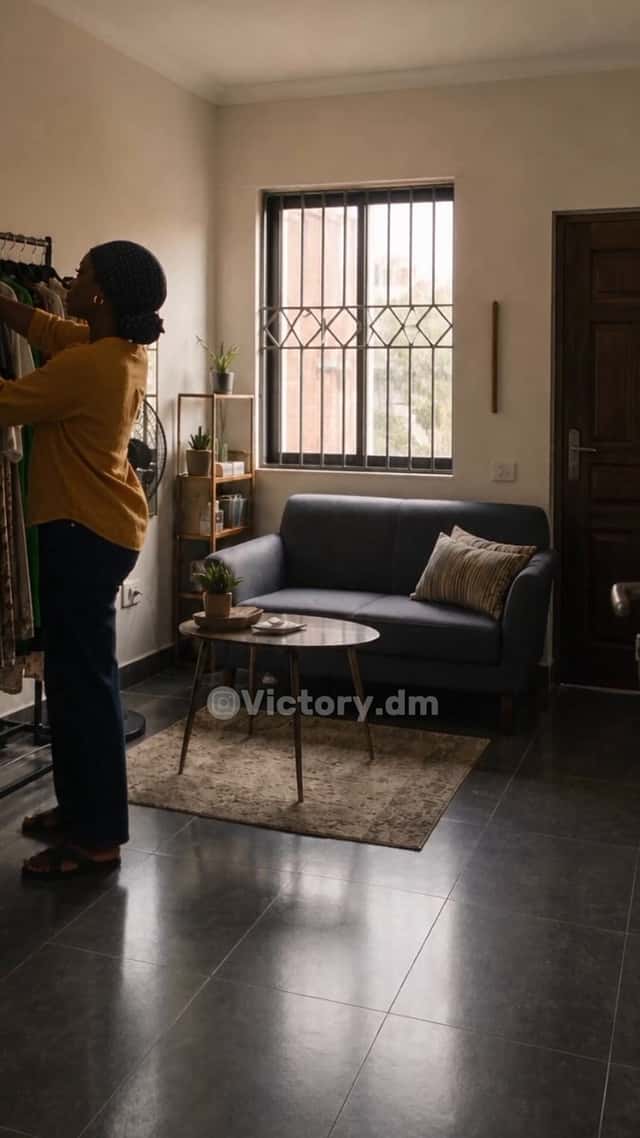 AIOpen the ad by @victorydchairCinematic drama
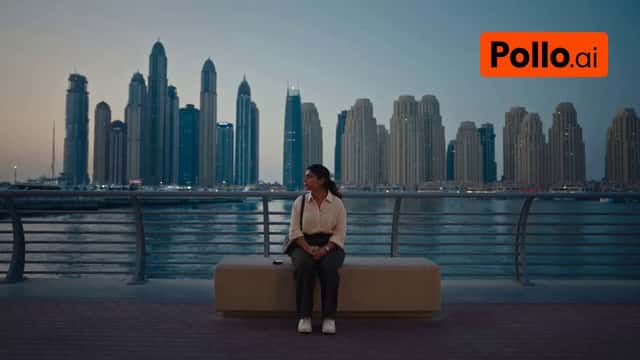 AIOpen the ad by @I_Muhammadali44Cinematic drama
 AIOpen the ad by @MaxbatIeCinematic drama
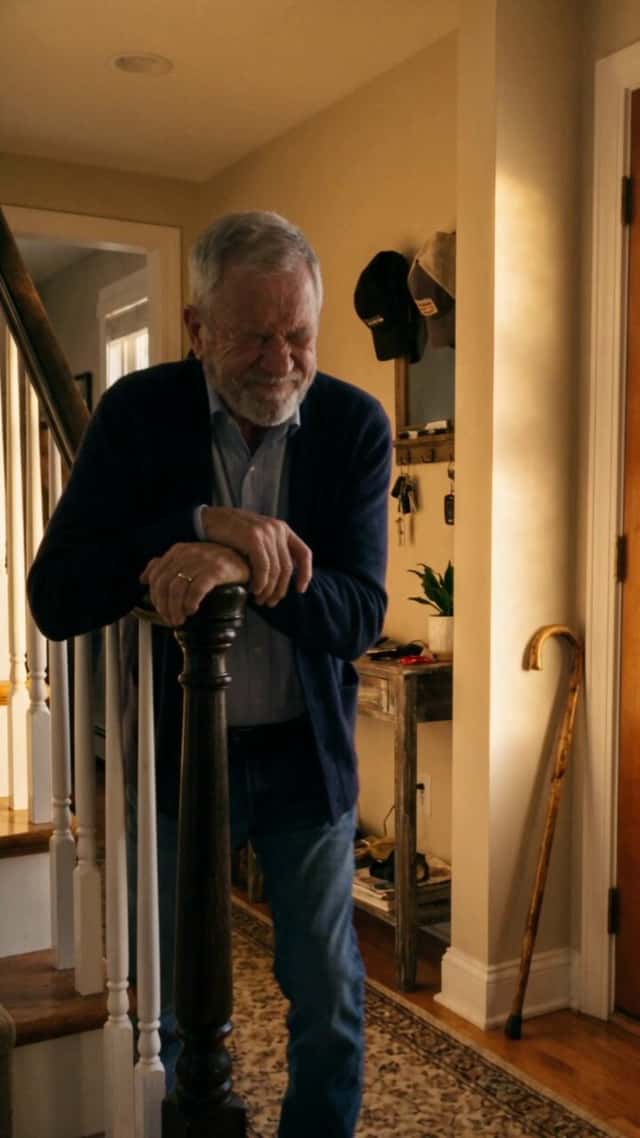 AIOpen the ad by @Ecombos_AiCinematic drama
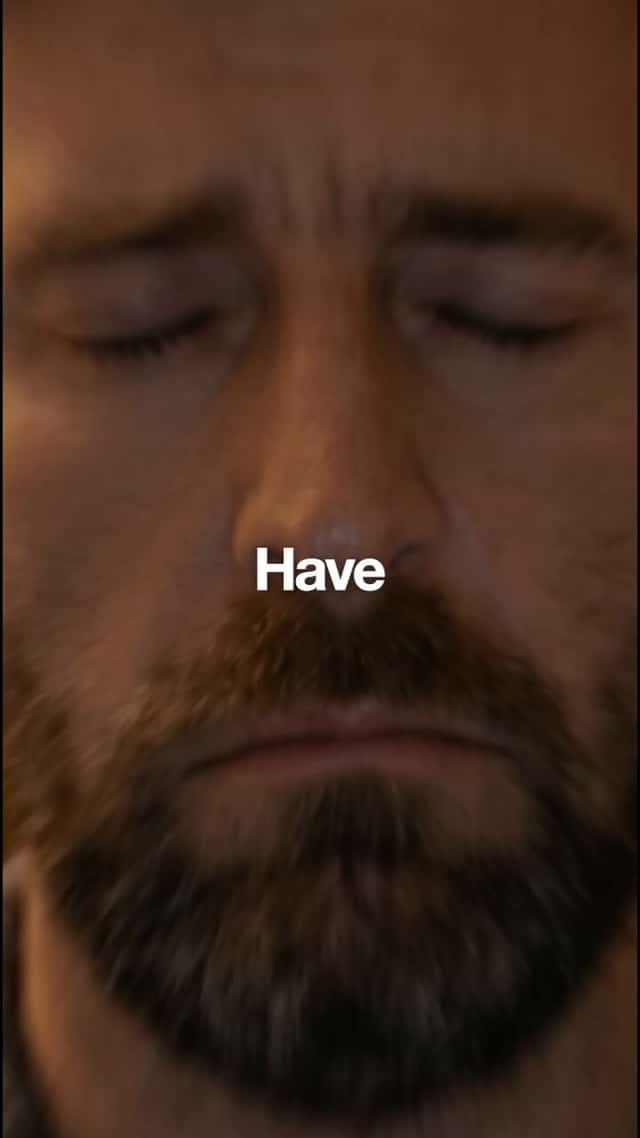 AIOpen the ad by @maxxmalistCinematic drama
 AIOpen the ad by @Rianify_MCinematic drama
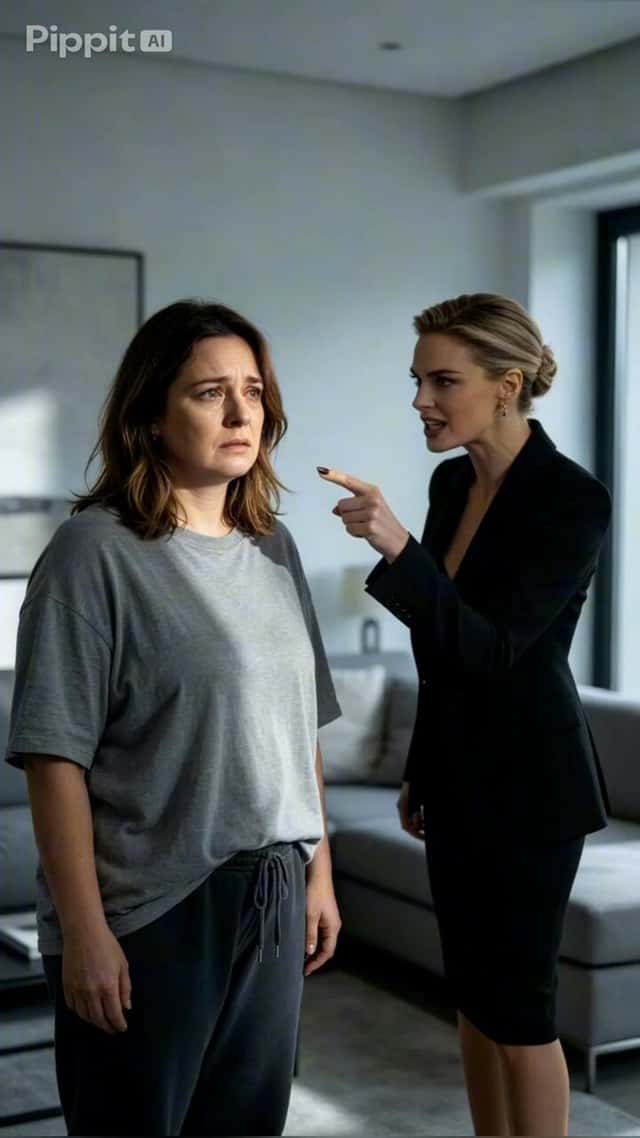 AIOpen the ad by @Ricardo_Momo1Cinematic drama
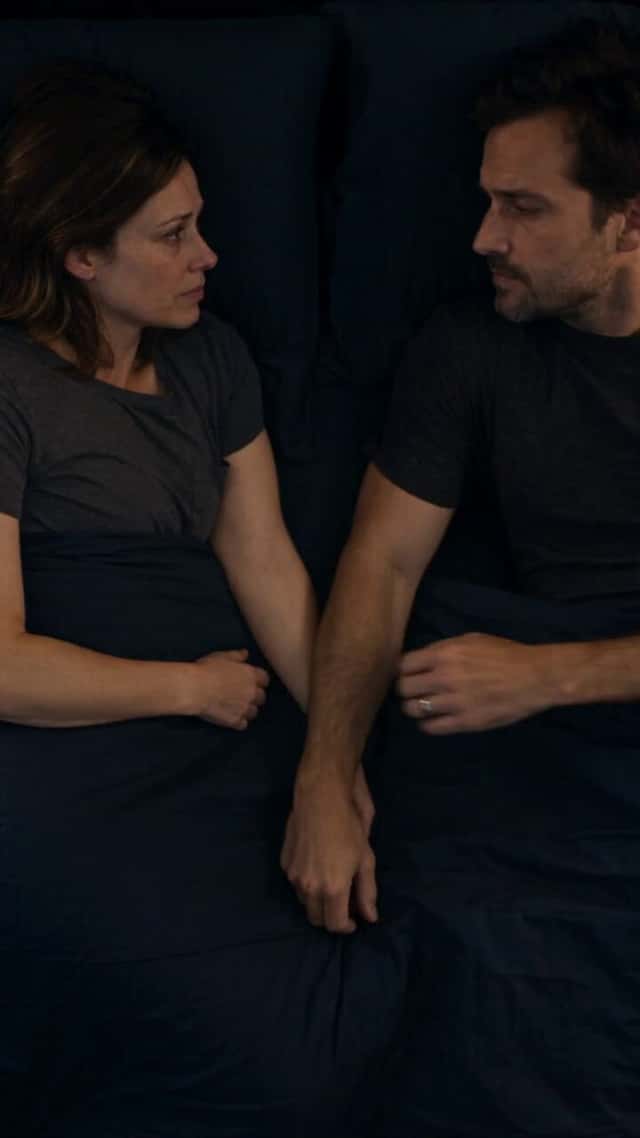 AIOpen the ad by @whotanishCinematic drama
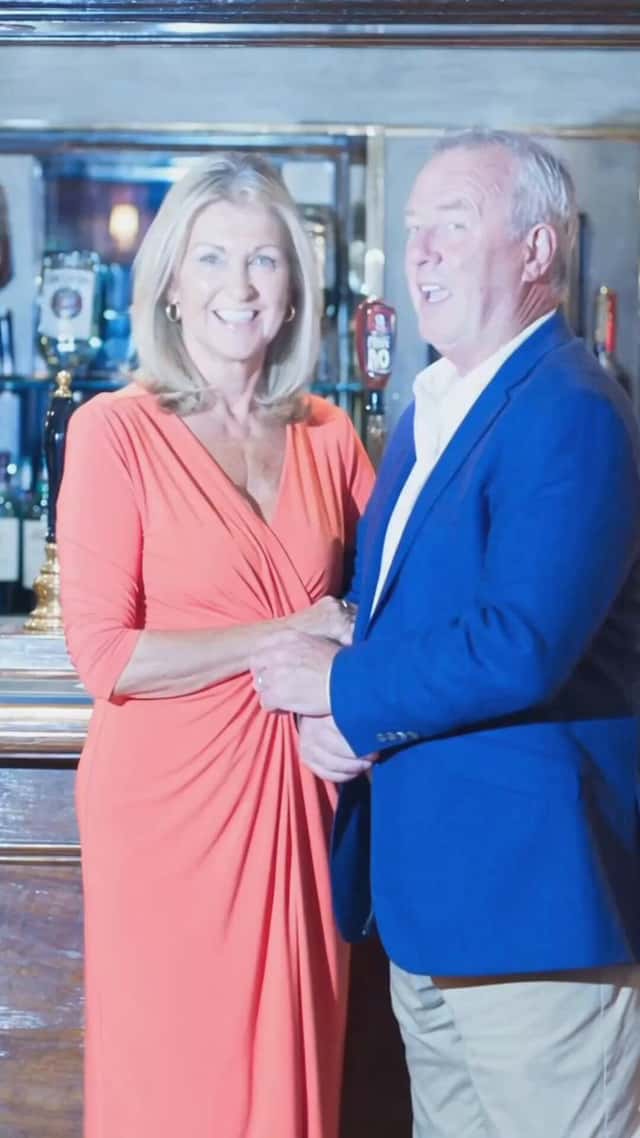 AIOpen the ad by @0xROASCinematic drama
What the examples show
AI drama ads use film framing: wide desert and city skylines, a person alone on a bench, an argument in a kitchen, close-ups of an emotional face. Some carry subtitles.
They come in landscape and vertical. They look like a scene from a series, not like an ad, until the product appears.
Why brands make drama ads
A conflict gives the viewer a question to wait for: what happens next. The product then appears as part of the answer, which suits products tied to relationships, confidence, health or money worries. Drama also uses a different look from the UGC around it, so it gives an account a format that is not another face to camera.
Beat structure
- 0–3 s, the cold open. Drop into the conflict: a raised voice, a close-up of a face, a line of subtitled dialogue.
- 3–15 s, the situation. Who these people are and what is at stake, in two or three shots.
- 15–30 s, the escalation. The problem gets worse or more personal.
- 30–40 s, the turn. A character finds, uses or is shown the product, and the direction of the scene changes.
- 40–55 s, the resolution. The new situation, shown, not explained.
- Last 3–5 s, the end card. Product, brand and call to action.
The short cut keeps beats 1, 4, 5 and 6.
Casting and continuity
Continuity is where AI dramas break. Fix the cast before you generate anything:
| Element | Fix in advance |
|---|---|
| Characters | Reference image, age, build, hair, one outfit per scene |
| Locations | One reference image per location, same light in every shot |
| Props | The product, phones, cups, anything that recurs |
| Time of day | One per scene; changing it mid-scene shows |
Keep the cast small. Every extra character is another face to keep stable.
Dialogue and subtitles
Write the dialogue last, once the shots are planned. Each line should be short enough to sit on one shot and be read as a subtitle.
Let actions carry as much as possible. A character putting down a phone and walking out says more than a line explaining that they are upset.
Ratio and length
Choose the ratio from where the ad will run. Vertical 9:16 drama needs tighter framing, mostly mid-shots and close-ups; landscape allows the wide establishing shots seen in some of the examples. Keep subtitles in the lower third and clear of faces.
Make it with AI
- Write the beat list, then a shot list under each beat.
- Generate character and location references.
- Generate a still for every shot, then animate with image-to-video.
- Generate dialogue and lip-sync only the shots where the speaker's mouth is visible; use over-the-shoulder and back-of-head shots to reduce lip-sync.
- Add score and sound effects, then subtitles.
cinematic still, [character A description] and [character B description] in a [location], [time of day], [emotion], [shot size], shallow depth of field, film colour grade
Model comparisons are in Seedance vs Kling; set-up notes are in the Veo 3 and Kling guides.
Checks before launch
- The story does not imply that a real event happened or that the actors are real customers.
- The resolution shows a result the product can produce; a drama is still an ad and its claims are judged as claims.
- No recognisable real people, and no other brands' logos in the background.
- AI disclosure follows platform rules: AI ad labels on Meta and TikTok.
The drama version of a winning script
A winning script gives the drama its conflict (the problem), its turn (the product) and its last line (the call to action). The spoken hook from the UGC version often becomes the first line of dialogue. One winning script, made in every ad format shows where the drama sits among the other versions.
Who this is for
- Independent AI creators and editors. You make the ads yourself. You know your work performs, so you'd rather be paid on what it does than on a flat fee.
- AI agencies and studios. You run a team of editors. You write the brief, your team makes the versions, and you're paid on performance because you know your team's ads scale.
Not for you if
- You only want a flat fee.
- You're new to editing and not yet confident your ads will perform.
- You want every shot spelled out for you.
- You make one style and won't try others.
FAQ
What is an AI drama ad?
It is a short film-style story made with AI: two or more characters, a conflict, a turning point and an ending, with the product placed at the turn. It plays like a scene from a series rather than a pitch.
How long are AI drama ads?
They tend to run longer than selfie UGC, and many of the examples here run past a minute. Make a full cut for the story and a short cut that keeps the conflict, the turn and the product.
How do I keep the same characters across a whole AI drama?
Fix each character with a reference image and a written description before you start, and use both for every shot. Limit the cast to two or three characters and keep their clothes the same throughout.
Should an AI drama ad have subtitles?
Yes. Burned-in subtitles let the dialogue work with the sound off, and some of the examples here use them.
Where does the product go in a drama ad?
At the turn: the moment the conflict changes direction. If the product could be removed without changing the story, it is in the wrong place.